
I still remember the first time I booted up Age of Mythology Tale of the Dragon. It felt fresh, exciting, and a little overwhelming all at once.
That is why I put together this guide. Inside, you will find everything you need, the Chinese civilization breakdown, the three major gods, campaign missions, and multiplayer tips.
I have spent hours playing and studying this expansion so you do not have to start from scratch.
Once you understand how it all works, the game clicks in a whole new way. This guide covers it all, from beginner build orders to advanced strategies.
Everything You Need to Know About the Expansion
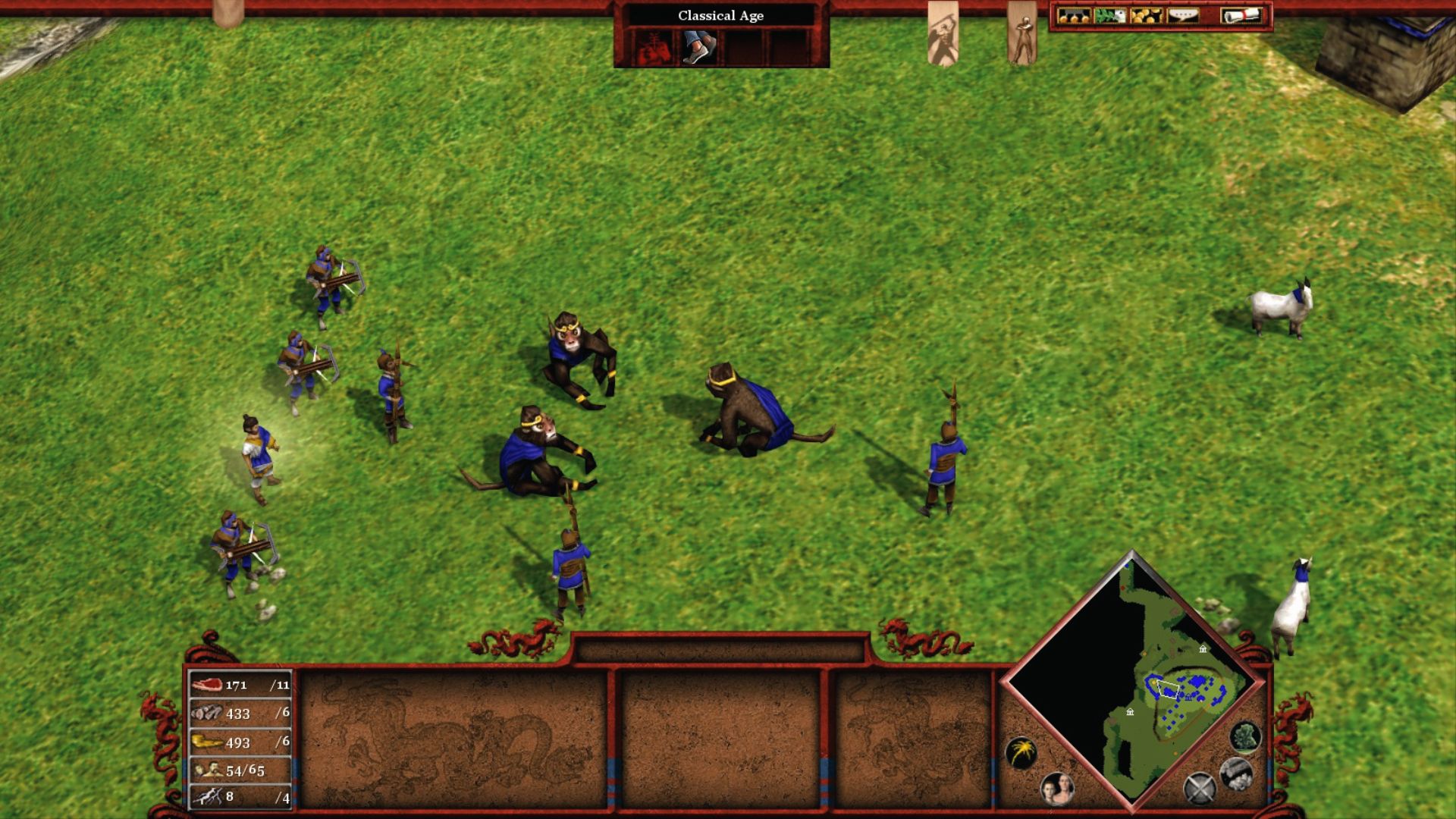
Age of Mythology Tale of the Dragon brought a lot of new content to an already solid game.
The expansion added the Chinese civilization, three major gods, over twenty units, and a full campaign.
It also introduced new multiplayer maps and updated the Scenario Editor. Players gained access to new myth units, hero units, and god powers not found in the base game.
The Chinese civilization handles favor differently. Instead of building temples, their Monks generate favor over time.
This shifts how you manage your economy and military at every stage. New Chinese-themed maps and a sacred sites game mode also changed how matches play out.
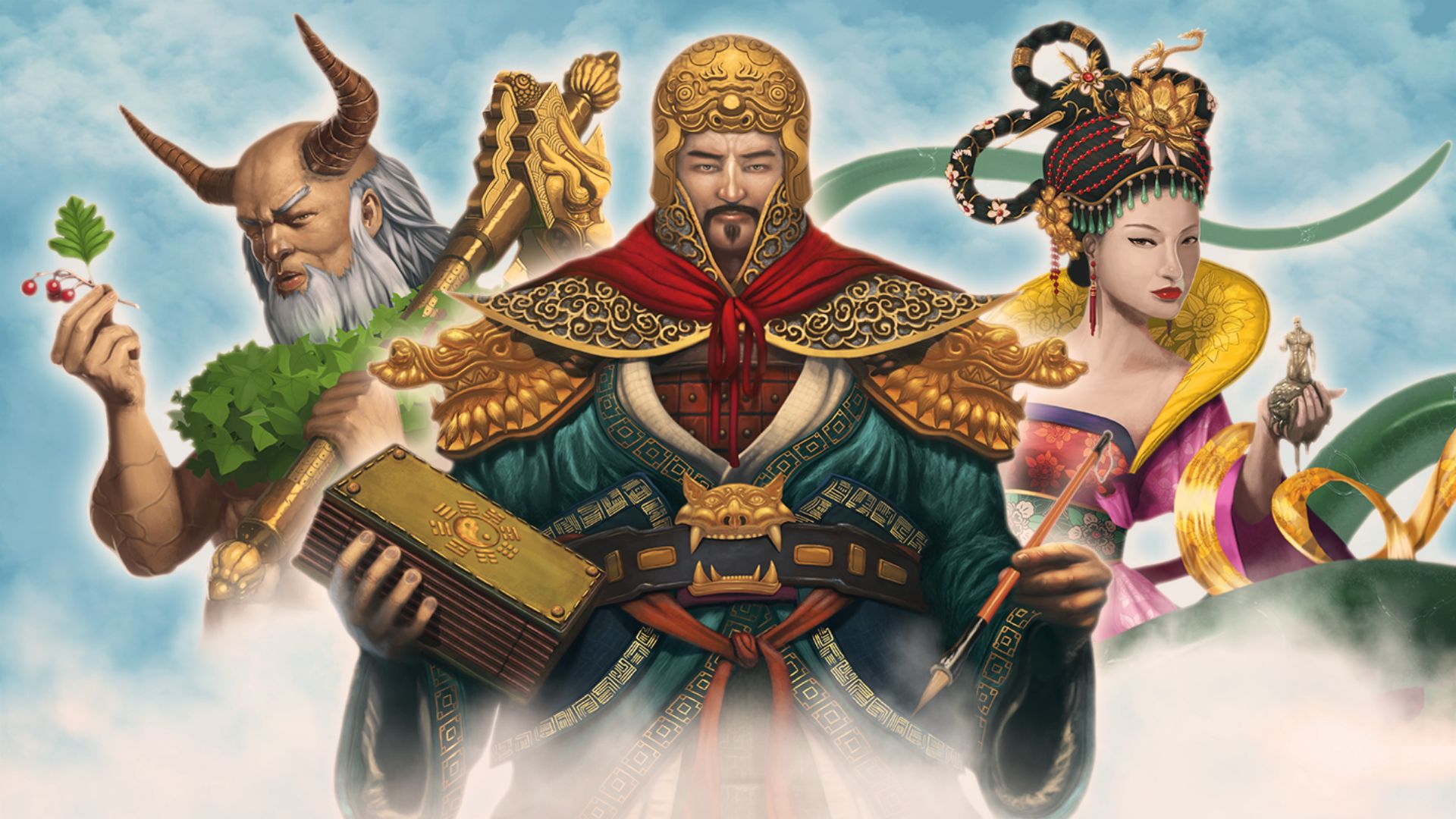
Age of Mythology Tale of the Dragon Gods
Learn the powers, strategies, and strengths of each major Chinese god.
Fu Xi Powers and Best Strategies
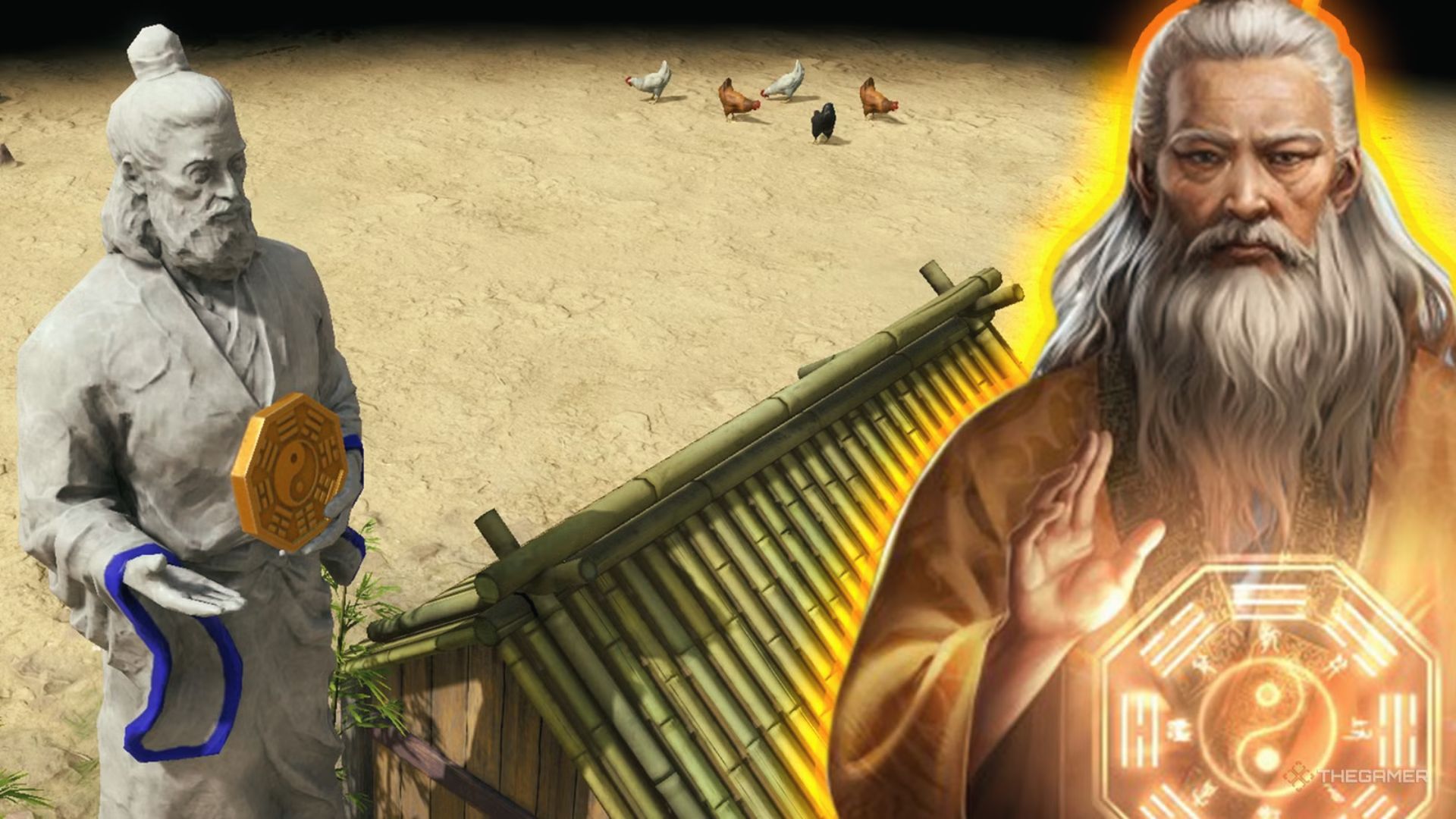
Fu Xi is the offensive god. His god power, Gaia Forest, places forests on the map to block enemies or control territory.
His myth units and bonuses favor aggressive early play. If you want to push your opponent fast, Fu Xi is the right pick.
Nü Wa Economy and Defensive Bonuses
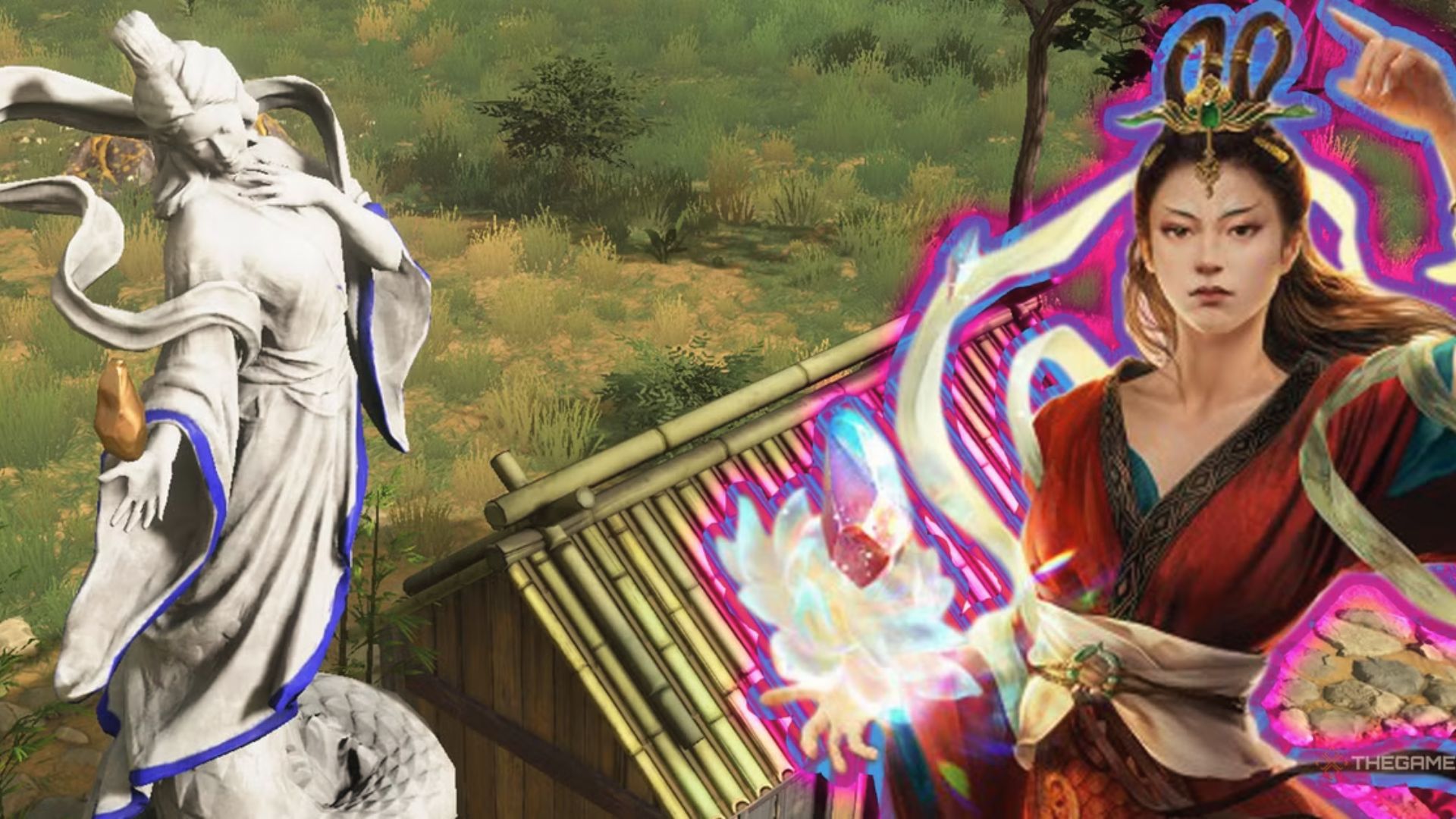
Nü Wa focuses on economy and defense. Her bonuses improve resource gathering and building durability.
She is the best choice for players who like to boom their economy before fighting. Her god power helps you secure your base while you build up.
Shennong Myth Units and Playstyle

Shennong is the myth-unit-focused god. His bonuses strengthen myth units and make them cheaper.
His playstyle rewards players who invest in mythological creatures over regular soldiers. The Azure Dragon is one of the strongest myth units available under Shennong.
Best Minor Gods in Tale of the Dragon
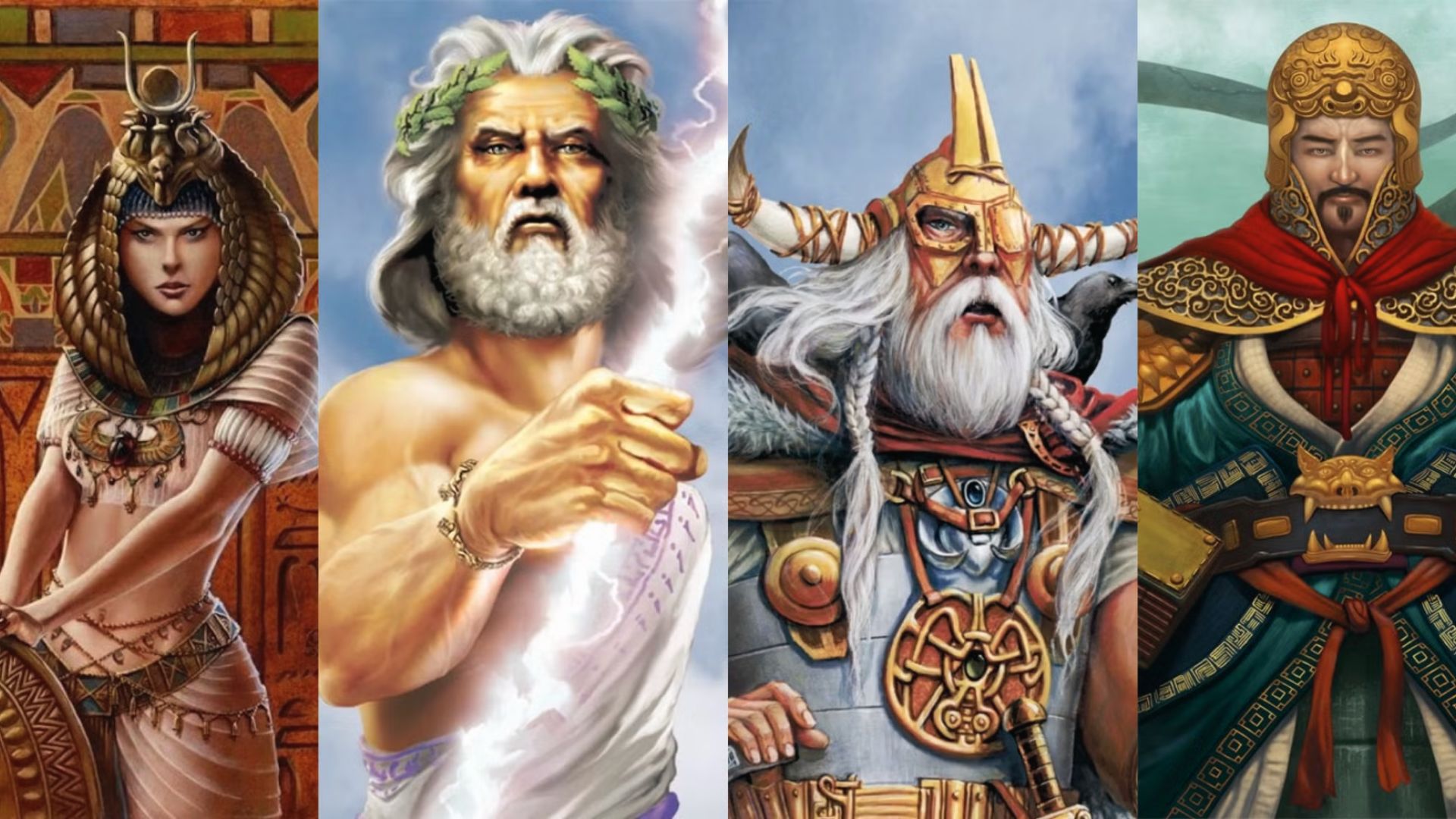
The minor gods in this expansion include Guan Yu, He Bo, Ao Kuang, Tian Hu, and Sun Wukong. Guan Yu is great for military support.
He Bo helps with water maps. Sun Wukong is a strong pick for myth unit lovers. Pair your minor gods with your major god to get the best synergy.
Chinese Civilization and Best Units Guide
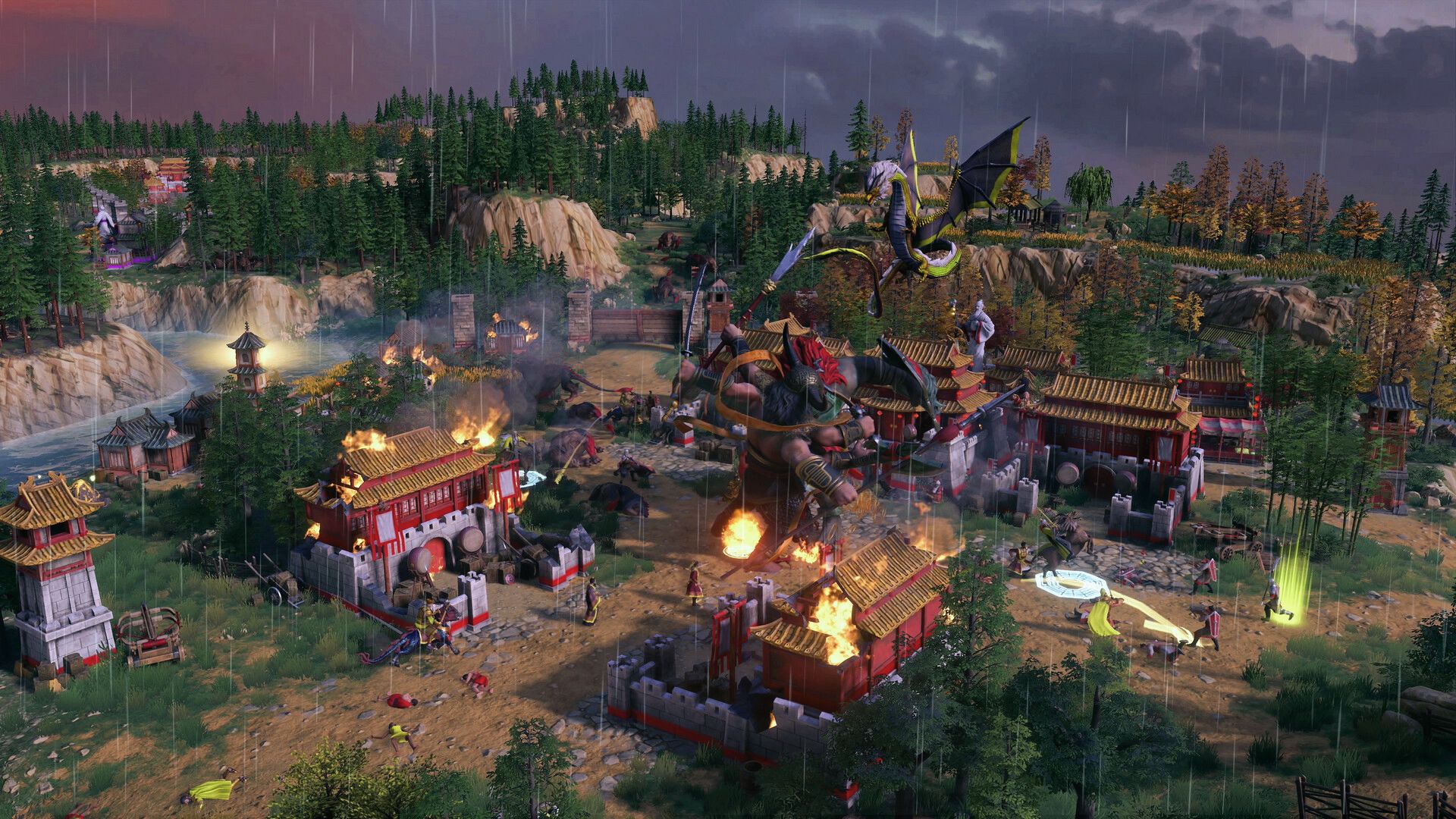
A practical look at the best units, compositions, and how to use them.
Chinese Civilization Strengths and Weaknesses
The Chinese are strong in economy scaling, myth unit diversity, and late-game power. Their weakness is early aggression.
They can be slow to get started compared to Greeks or Norse. If you let a Chinese player boom, they become very hard to stop.
Best Chinese Units and Army Compositions
The best standard army for the Chinese uses Chu Ko Nu archers, halberdiers, and Immortals. Chu Ko Nu deals strong ranged damage.
Halberdiers handle cavalry threats. Immortals act as heroes and can fight myth units. This mix handles most opponent compositions well.
Monks, Immortals, and Hero Units Explained
Monks generate favor and can be used in combat. Immortals are hero units that respawn after death, making them very cost-effective over long fights.
Use Immortals to tank myth units while your ranged units deal damage from behind.
How to Use Pangu Titan Effectively
The Pangu Titan is the Chinese Titan unit. It is slow but has massive health and attack power.
Use it to break fortified bases or as a distraction during large battles. Do not send it in alone. Pair it with a full army to get the most out of it.
Tale of the Dragon Campaign and Story Explained
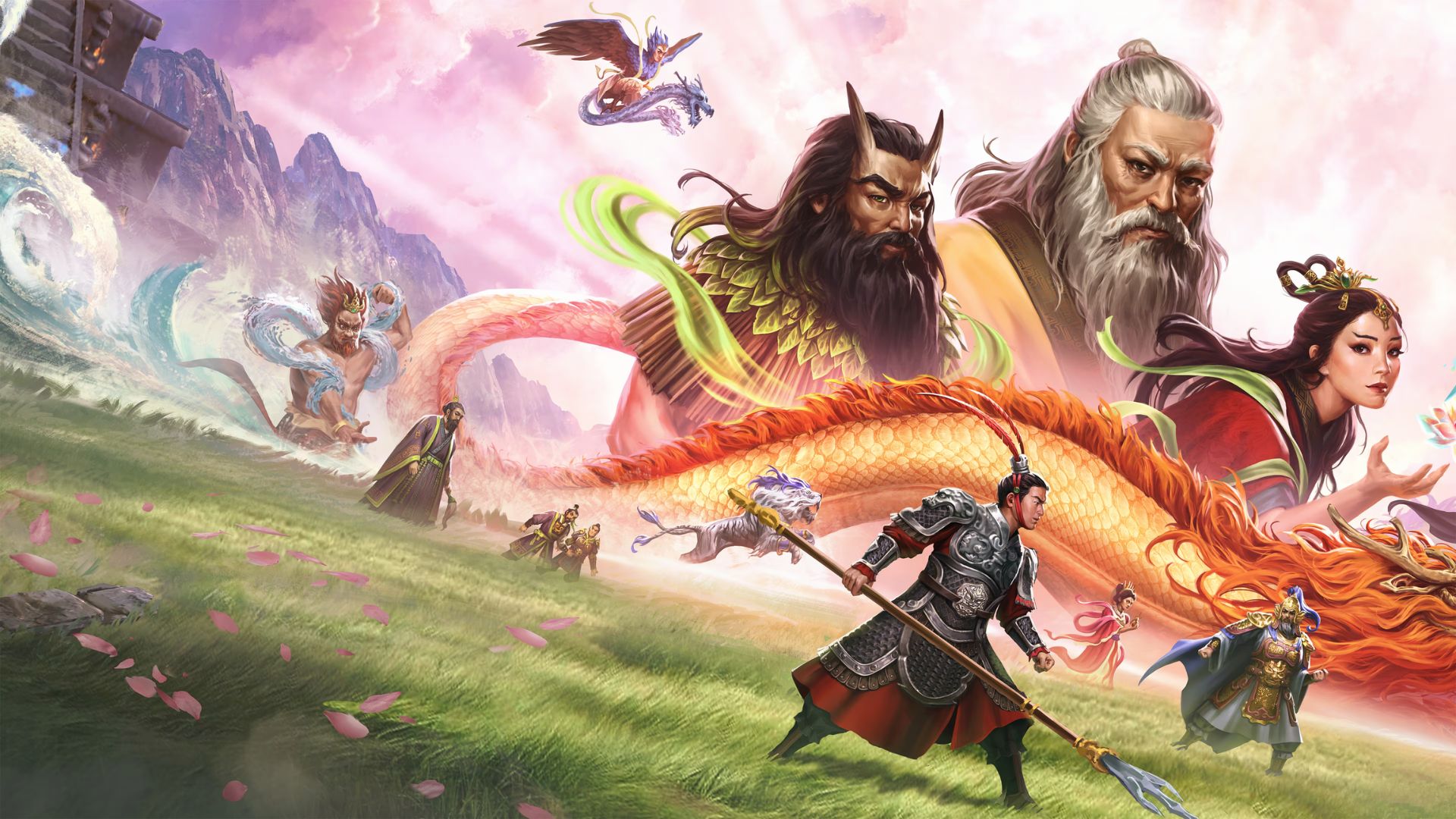
Follow the full campaign story and get tips on the hardest missions.
Jiao-Long and the Yin and Yang Conflict
The campaign follows Jiao-Long, a hero caught in a conflict between yin and yang forces. The story involves Chinese mythology and the balance of opposing powers.
It is not as long as the base game campaign but it has interesting lore for fans of mythology.
Full Campaign Mission List
The campaign has ten missions total. You start with basic objectives and the difficulty rises steadily.
Each mission introduces new mechanics or units tied to the Chinese civilization. The story connects through cutscenes and dialogue between missions.
Hardest Missions and How to Beat Them
The later missions get very difficult. Mission seven and nine are the toughest. In mission seven, focus on building walls early and defending before attacking.
In mission nine, use Monks to generate favor fast so you can field myth units quickly. Do not skip favor generation in these missions.
How the Story Connects to Other AoM Campaigns
The Tale of the Dragon campaign exists separately from the main Arkantos story. It does not directly continue that plot.
However, the style of storytelling and the use of mythological conflict mirror the tone of the original campaign, which fans of the base game will appreciate.
Age of Mythology Tale of the Dragon Expansion Tips
Simple and effective tips to help you play smarter from day one.
- Start with villagers on food and wood, get your first Monk up fast, and reach Classical Age before minute seven.
- Keep food and gold income balanced. Do not put too many villagers on one resource early in the game.
- Keep Monks near your Town Center so they stay safe and keep generating favor throughout the game.
- Do not skip myth units. They are a core part of the Chinese army and work well in most fights.
- In multiplayer, pick maps that allow booming. Use Nü Wa against early pressure and hold rushes with towers and Immortals.
Conclusion
If you made it this far, you are ready to take on Age of Mythology Tale of the Dragon with confidence.
I genuinely enjoyed learning this expansion, and I think you will too. Start with Nü Wa if you are new, and work your way up from there.
Try the campaign, experiment with army compositions, and have fun with the myth units.
Drop a comment below and tell me which god is your favorite. Share this guide with a friend who also plays AoM.
Frequently Asked Questions
Is Age of Mythology Tale of the Dragon a standalone game?
No, it is an expansion for Age of Mythology: Extended Edition. You need the base game installed before you can play it.
Which major god is best for beginners in Tale of the Dragon?
Nü Wa is the best starting choice. Her economy bonuses make managing resources easier while you learn the civilization.
How many missions are in the Tale of the Dragon campaign?
The campaign has ten missions. The difficulty increases steadily, with the hardest missions appearing toward the end.
Can you play Chinese civilization in multiplayer?
Yes. The Chinese are fully playable in multiplayer. They perform best in longer games where they have time to build their economy.
What makes the Chinese civilization different from other civilizations?
The Chinese generate favor through Monks instead of temples or worship. This mechanic changes how you build and manage your base throughout the game.