
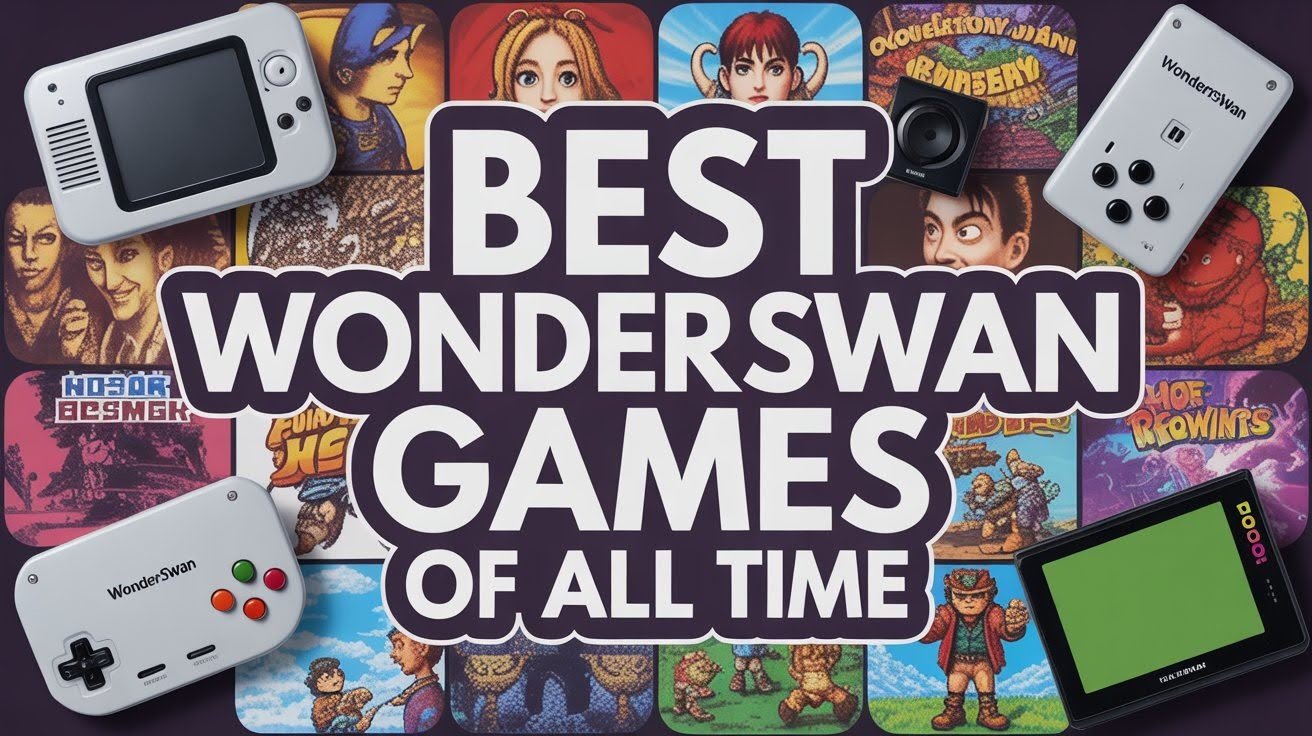
Looking around for great WonderSwan games? The spot that you are in is just right.
Bandai’s forgotten handheld has been played for years by me. Most people missed the amazing titles the WonderSwan had.
A particular system is shown. This system was special on account of some qualities. Anime adaptations will be found together with puzzle games.
Fighters as well as RPGs are available too. I’m including creations that Gunpei Yokoi solely made. I am also covering those loved Final Fantasy ports.
I ranked them according to gameplay and actual value. A good WonderSwan collection can be built through use of this list. Gaming history also will reveal the reason why this handheld mattered to many.
Why WonderSwan Still Matters?
WonderSwan arrived with something different. Gunpei Yokoi and Bandai created a 16-bit handheld that could switch between vertical and horizontal play. The battery lasted 40 hours on a single AA. The price stayed affordable.
Hardware innovation matched creative software. Developers embraced the unique screen orientation. They built games that felt fresh, not like watered-down console ports.
Today, retro collectors keep finding this library. The WonderSwan represents an alternate path for handheld gaming. It showed what happens when designers think beyond conventions.
Top 23 Best WonderSwan Games of All Time
Here are the games that made this handheld worth owning.
1. Final Fantasy IV
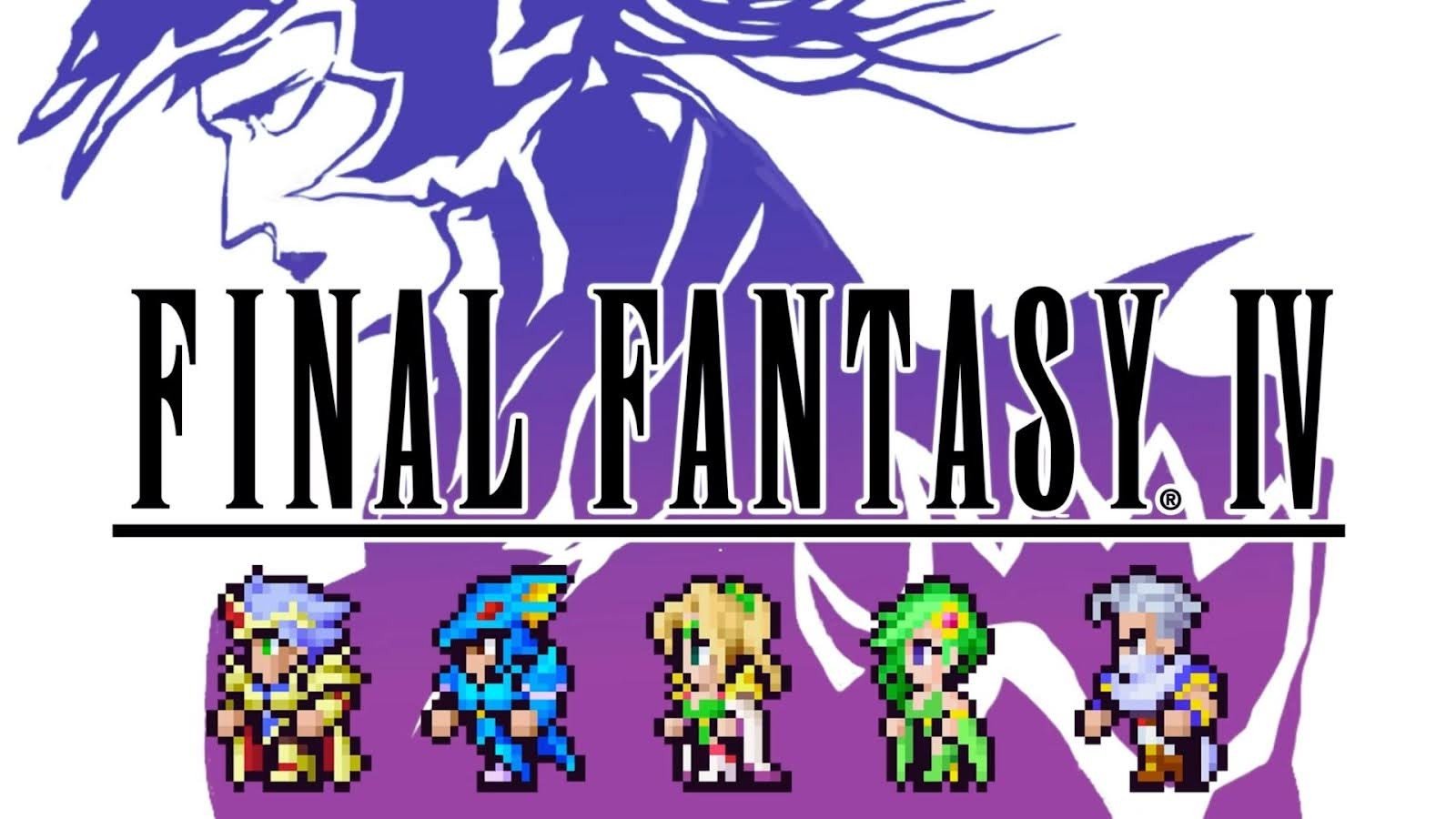
Square brought their Super Nintendo classic to WonderSwan with care. The Active Time Battle system translated perfectly to handheld play. Characters felt distinct through specialized abilities and growth patterns.
The story maintained its emotional weight. Cecil’s shift from Dark Knight to Paladin resonated on the small screen. Boss battles required strategy, not just level grinding.
This version proved complex RPGs could thrive on portables. The adaptation respected the source while optimizing for handheld sessions.
2. Final Fantasy (WonderSwan)
The original Final Fantasy found new life on WonderSwan. Party customization let players experiment with different class combinations. Four Light Warriors, multiple strategic possibilities.
Replay value came from trying new party builds. White Mage and Black Mage teams played completely differently from Fighter-heavy groups. Random encounters stayed challenging throughout.
This port honored the NES original while smoothing rough edges. It gave Japanese players a refined version of the genre-defining RPG.
3. Mr. Driller
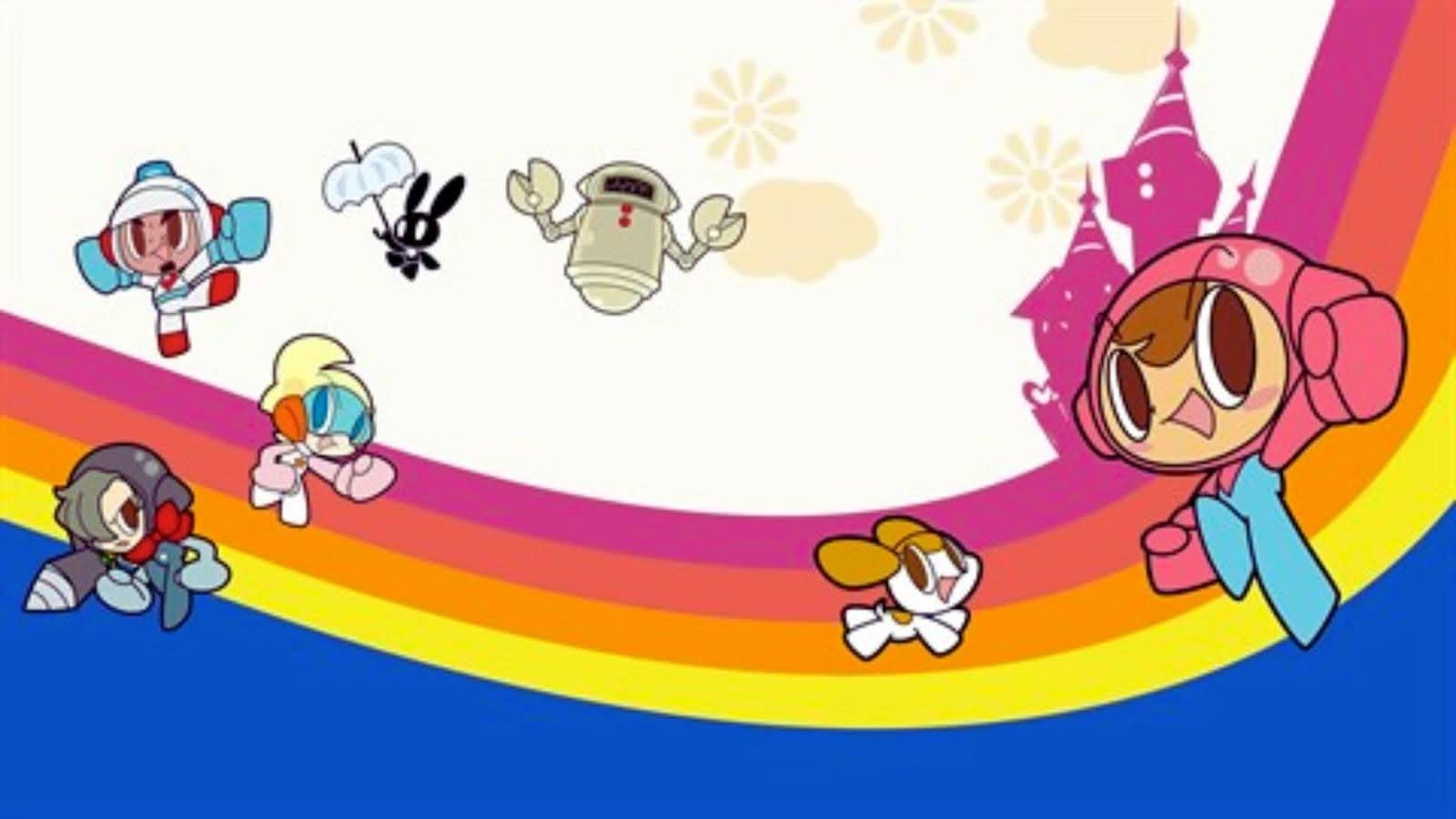
Namco’s puzzle-action hybrid demanded quick thinking. You dig downward through colored blocks while managing air supply. Chain reactions happen when matching blocks touch.
The air mechanic creates constant tension. Grab air capsules or suffocate. Simple concept, addictive execution.
Fast reflexes help, but planning your route matters more. Each stage becomes a puzzle where one wrong move ends your run.
4. Dicing Knight Period
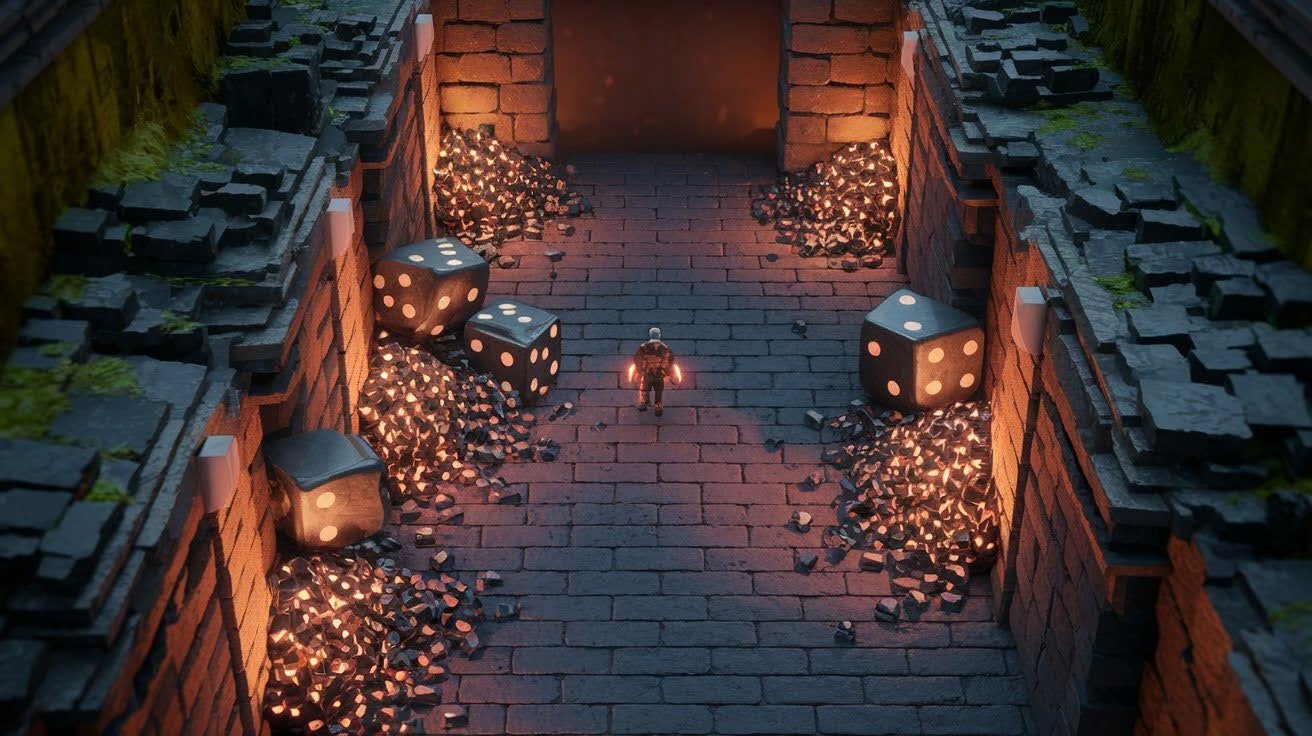
This rogue-like RPG mixed dungeon crawling with real-time action. Combat felt immediate and responsive. The WonderSwan’s button layout worked perfectly for movement and attacks.
Random dungeons kept each playthrough fresh. Death meant starting over with new challenges. Risk and reward balanced throughout.
The game respects your time with tight level design. Sessions felt complete even when brief. Action RPG fans found depth in its systems.
5. Blue Wing Blitz
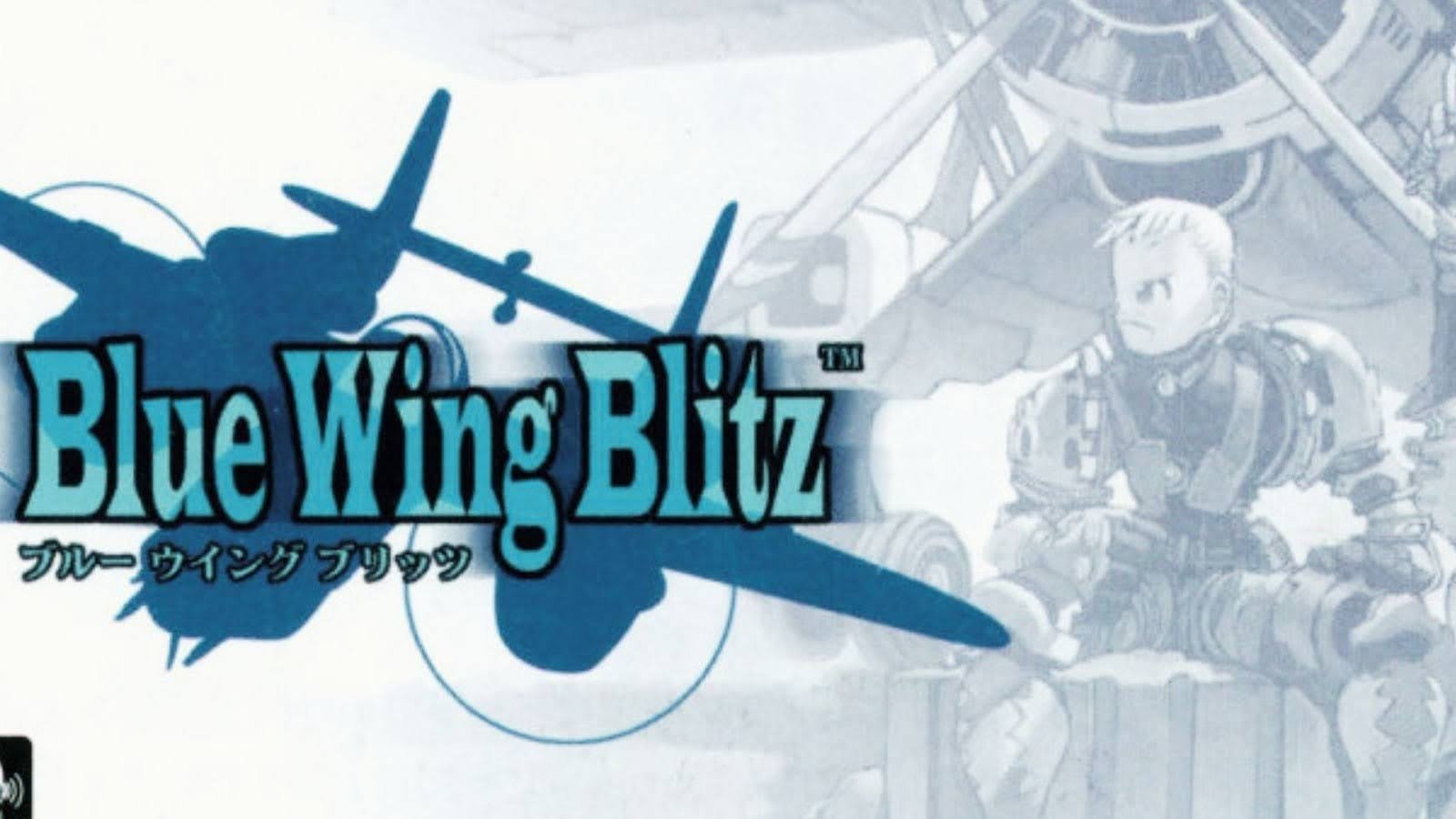
Tactical RPG mechanics met aerial dogfighting. Grid-based movement added strategic layers to every mission. Position your pilots, manage fuel, choose targets carefully.
Mission variety prevented repetition. Some objectives demanded all-out assault. Others required surgical strikes or defensive holds.
Character progression tied to aircraft upgrades. Your squadron grew stronger through smart resource management. Strategy fans found meat on these bones.
6. Gunpey
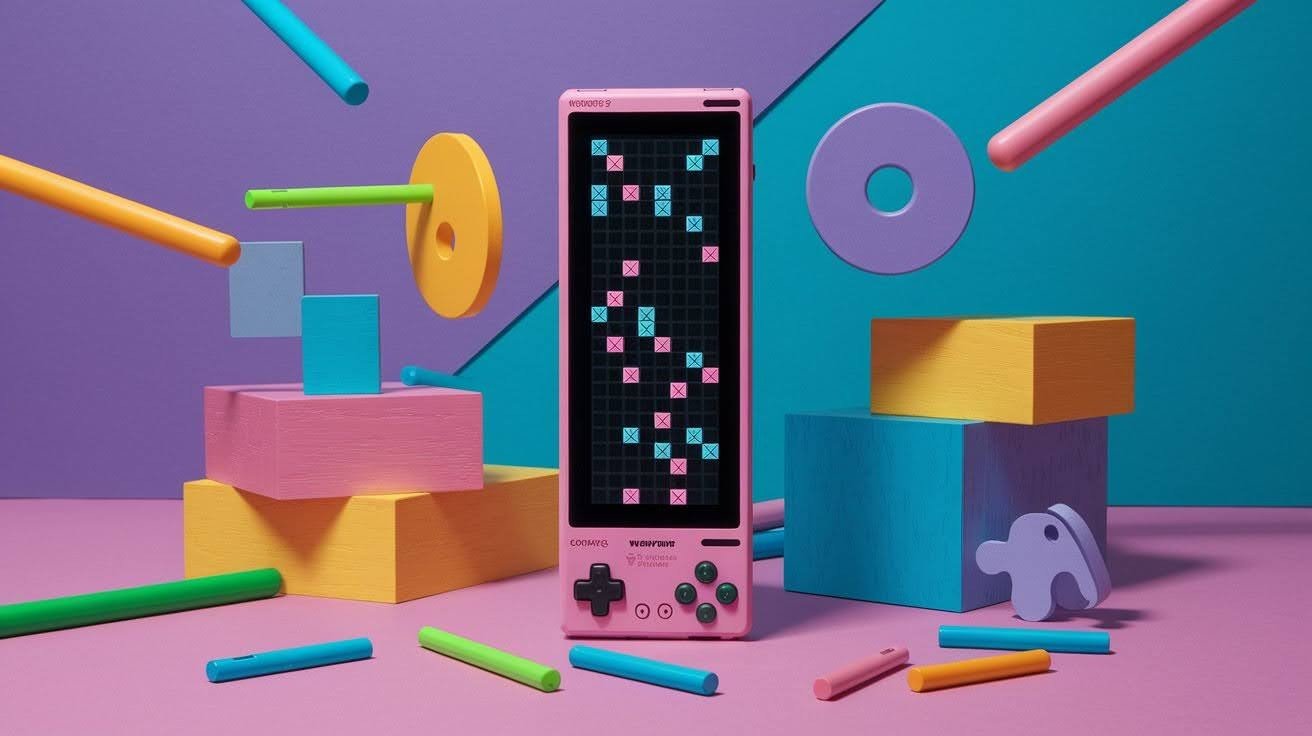
Gunpei Yokoi designed this puzzle game specifically for WonderSwan’s vertical screen. Connect line segments from left to right to clear them. Sounds simple. Gets complex fast.
Multiple game modes offered different challenges. Some focused on speed, others on careful planning. The vertical orientation felt natural for line-connecting gameplay.
This game showcased what WonderSwan could do differently. It wasn’t trying to be Game Boy. It carved its own path.
7. One Piece: Grand Battle Swan Colosseum
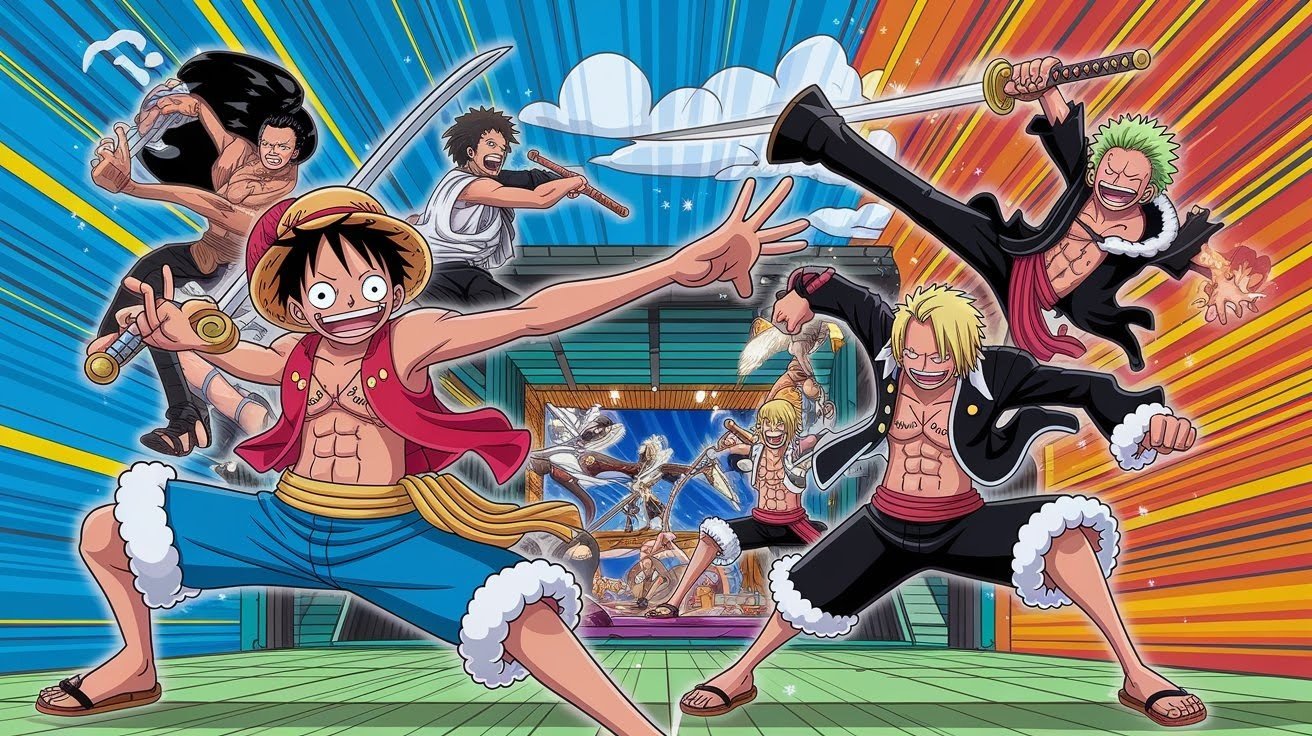
The Straw Hat crew came to WonderSwan in fighting form. Each character kept their signature abilities from the anime. Luffy stretched, Zoro sliced, Sanji kicked.
The roster covered major characters with distinct movesets. Battles felt energetic despite handheld limitations. Special attacks captured the anime’s over-the-top spirit.
Anime fighting games often disappoint. This one delivered fan service with solid mechanics underneath.
8. Tane Wo Maku Tori
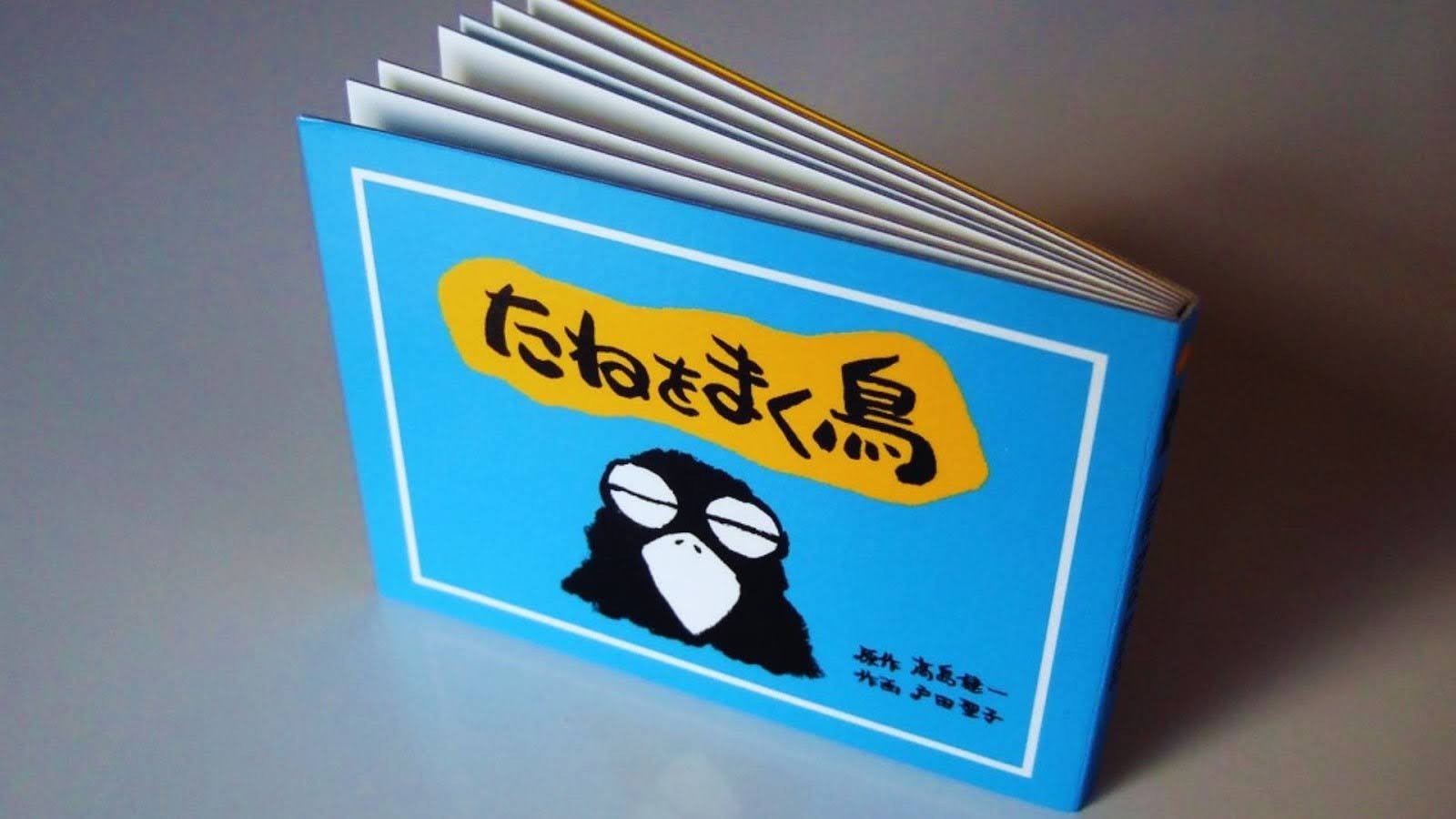
This puzzle game came with a physical storybook. You play as a bird dropping tears to grow plants. Strategic positioning determined success.
The storybook connection added charm. Reading about the bird’s world enhanced the gameplay experience. Simple mechanics hid surprising depth.
It represented WonderSwan’s willingness to experiment. Not every game needed explosions and complex systems.
9. Beatmania for WonderSwan
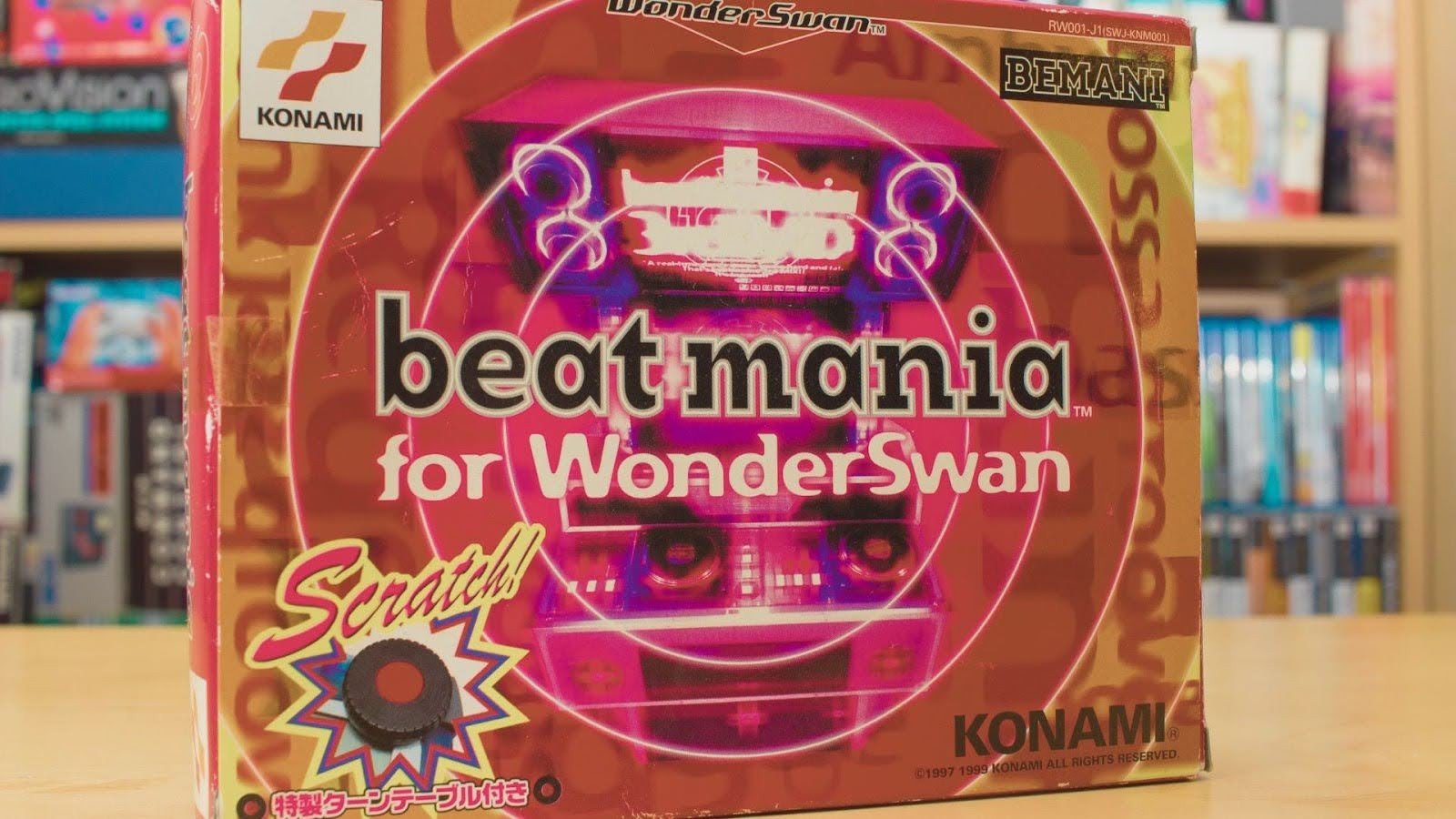
Konami brought their arcade rhythm game home. Button controls replaced the turntable, but the challenge remained intact. Songs tested your timing and finger coordination.
Sound quality impressed for a handheld. Tracks felt arcade-authentic. The button layout adapted well to rhythm gameplay.
Music game fans found a legitimate portable option. It proved rhythm games could work without specialized controllers.
10. Klonoa of the Wind: Moonlight Museum

Namco’s platformer mascot got a WonderSwan exclusive. The game emphasized environmental puzzles over pure platforming. Grab enemies, use them as weapons or double-jump assists.
Level design encouraged experimentation. Multiple solutions existed for many challenges. The grab mechanic opened creative possibilities.
Visuals stayed charming despite limited colors. Klonoa’s world felt alive through smart art direction.
11. Rockman & Forte: Mirai Kara no Chousensha
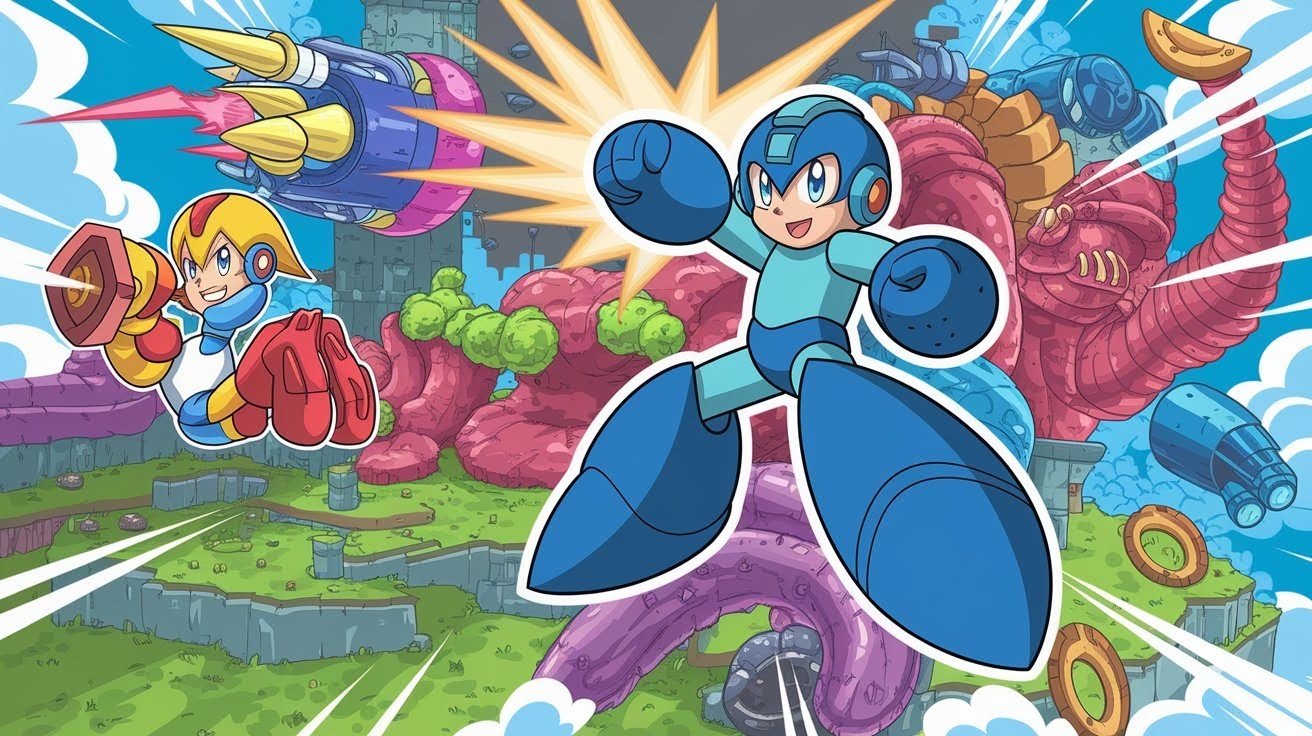
This Mega Man game stayed exclusive to WonderSwan. Choose between Rockman and Forte, each with unique abilities. Bosses tested pattern recognition and reflexes.
The action-platforming felt precise. Jumping and shooting responded instantly. Level design challenged without frustrating.
Mega Man fans got something new, not a rehash. The handheld limitations pushed creative boss and level concepts.
12. Makaimura (Ghosts ‘n Goblins)
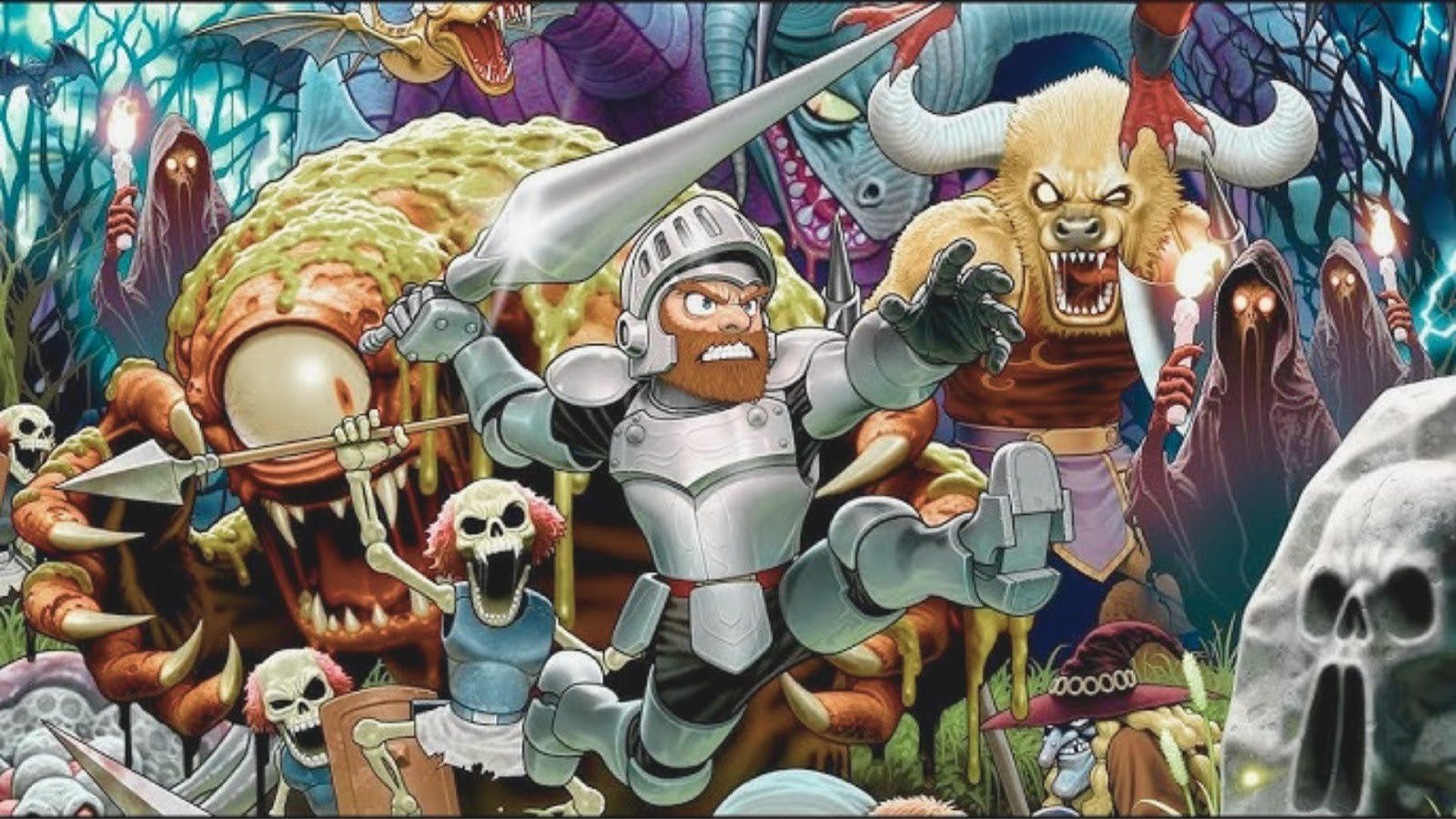
Capcom’s brutally difficult platformer made the jump to WonderSwan. Arthur still loses his armor in two hits. Zombies still emerge from everywhere.
The adaptation stayed faithful to arcade difficulty. Players needed pattern memorization and quick reflexes. No hand-holding here.
Portable masochism for platformer veterans. The WonderSwan version captured the arcade’s punishing spirit.
13. Digimon Adventure 02: Tag Tamers
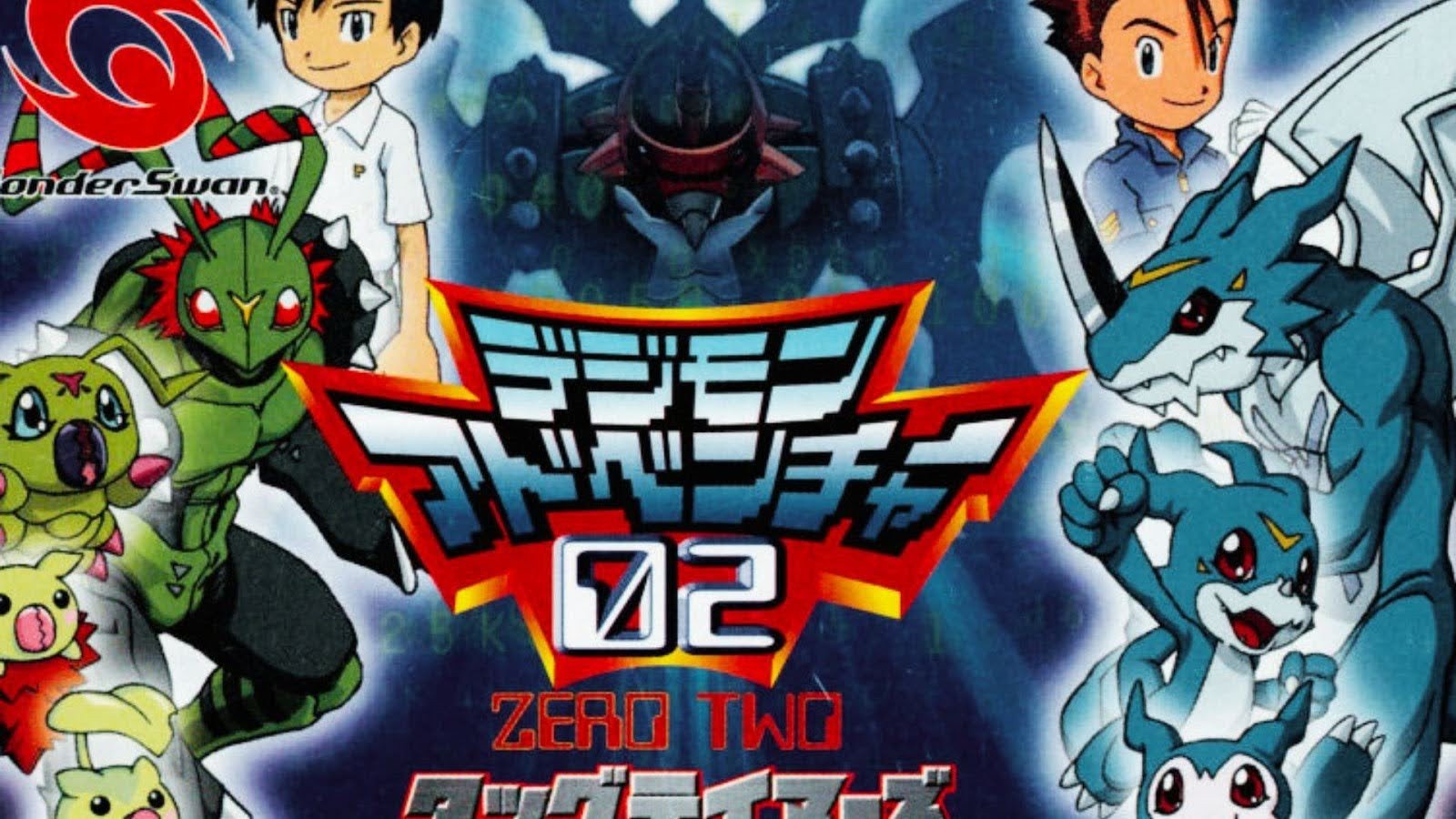
Turn-based battles combined with Digimon collection and evolution. The roster pulled from the popular anime series. Training your digital monsters created attachment.
Evolution mechanics added strategic depth. Choose when to evolve based on stats and situation. Different paths led to different Digimon.
Story tied into the anime without requiring knowledge. New fans and series veterans both found entry points.
14. Riviera: Yakusoku no Chi
Sting’s side-scrolling RPG introduced the Dept Heaven series. Strategic battles required item management and character positioning. Resources stayed limited, choices mattered.
The game mixed visual novel elements with RPG combat. Story and gameplay intertwined throughout. Multiple endings rewarded different approaches.
This marked the start of something special. Later Dept Heaven games built on foundations laid here.
15. Beatmania GB
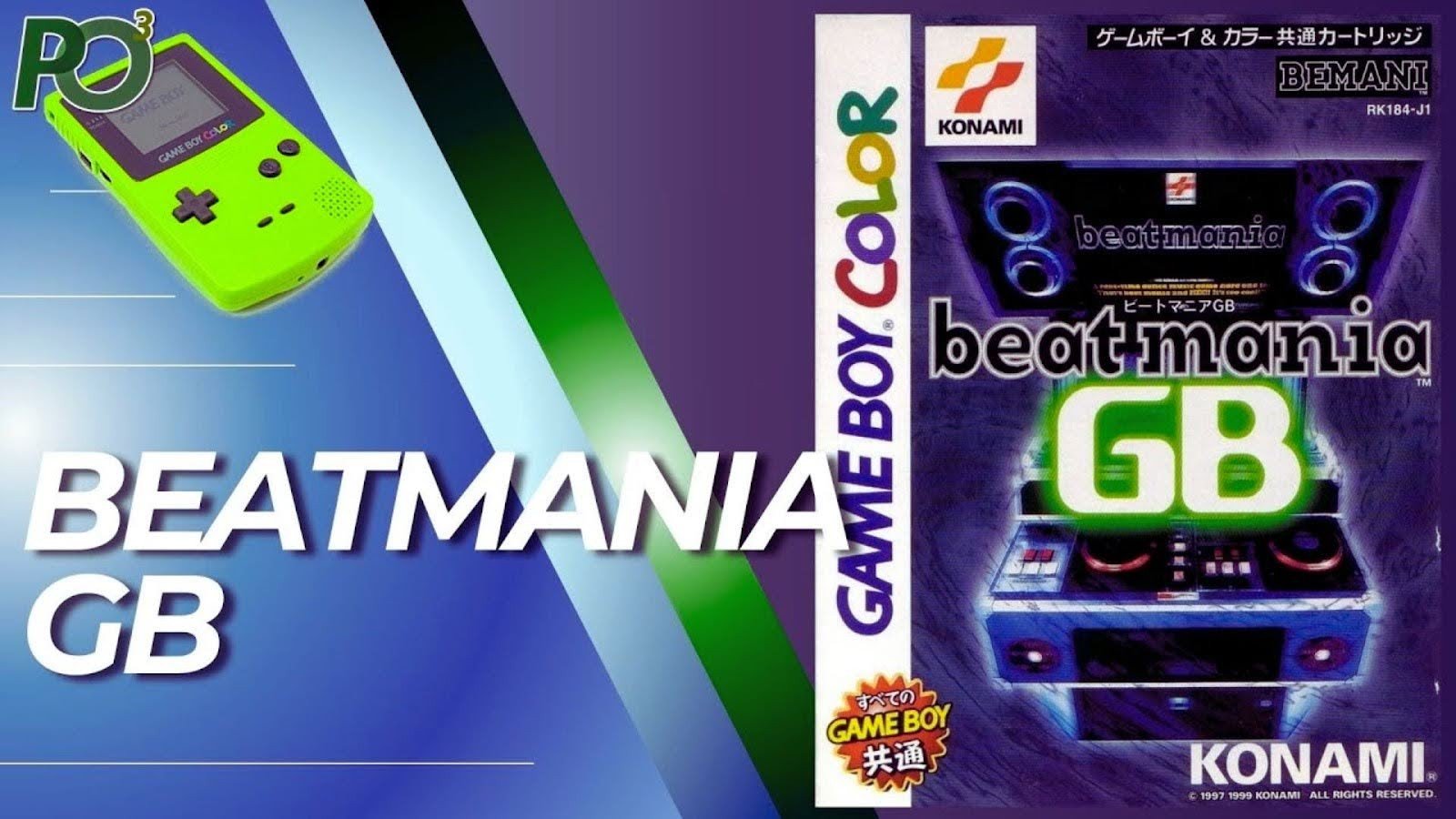
An expanded version of the WonderSwan rhythm game. More tracks, refined controls, additional modes. The handheld button layout felt optimized for music gameplay.
Song selection spanned genres. From trance to house to drum and bass. Each track tested different rhythm skills.
This proved Konami’s commitment to portable music games. Quality matched their arcade standards.
16. Guilty Gear Petit 2
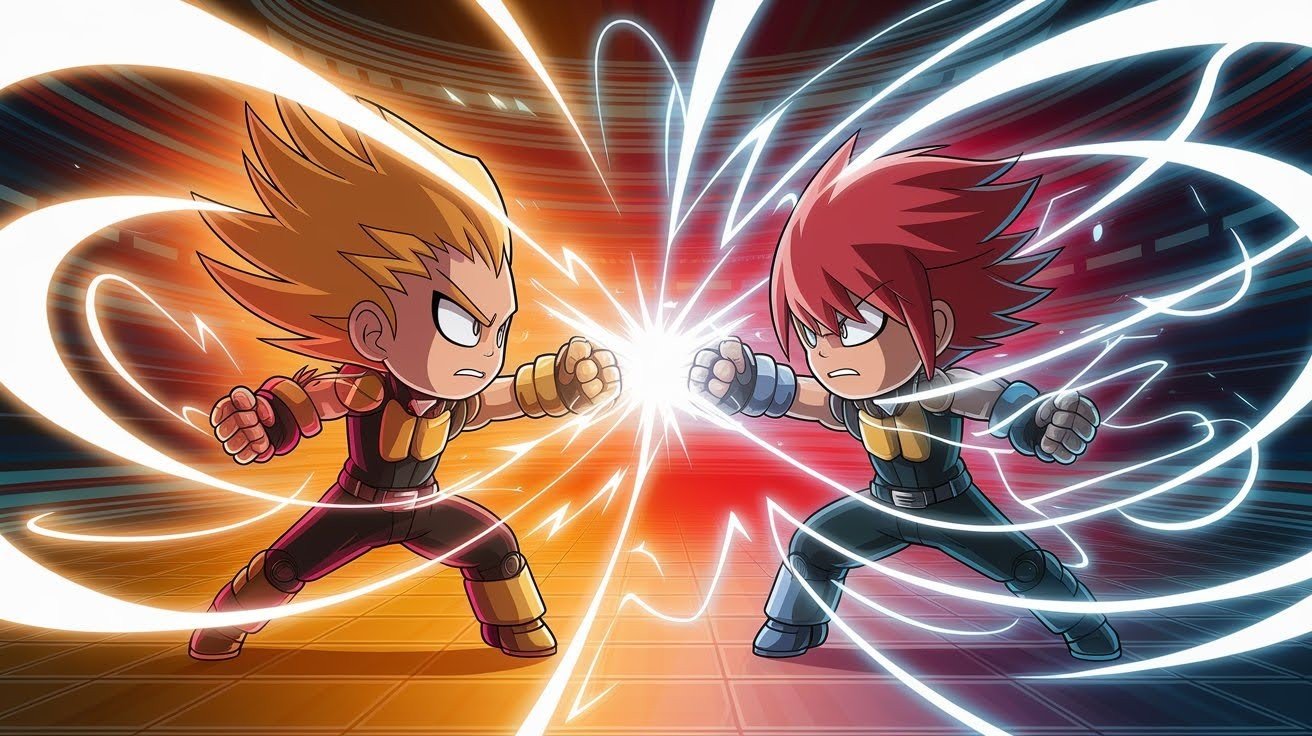
Arc System Works brought their fighting game to WonderSwan in chibi form. Characters kept signature moves despite super-deformed appearance. Sol still used Dragon Install, Ky still commanded lightning.
Combos flowed smoothly. The handheld adapted complex fighting mechanics without losing depth. Fans of the main series found authentic gameplay.
Fighting game quality on portables rarely reached this level. Guilty Gear Petit 2 set standards.
17. Cardcaptor Sakura: Clow Card Magic
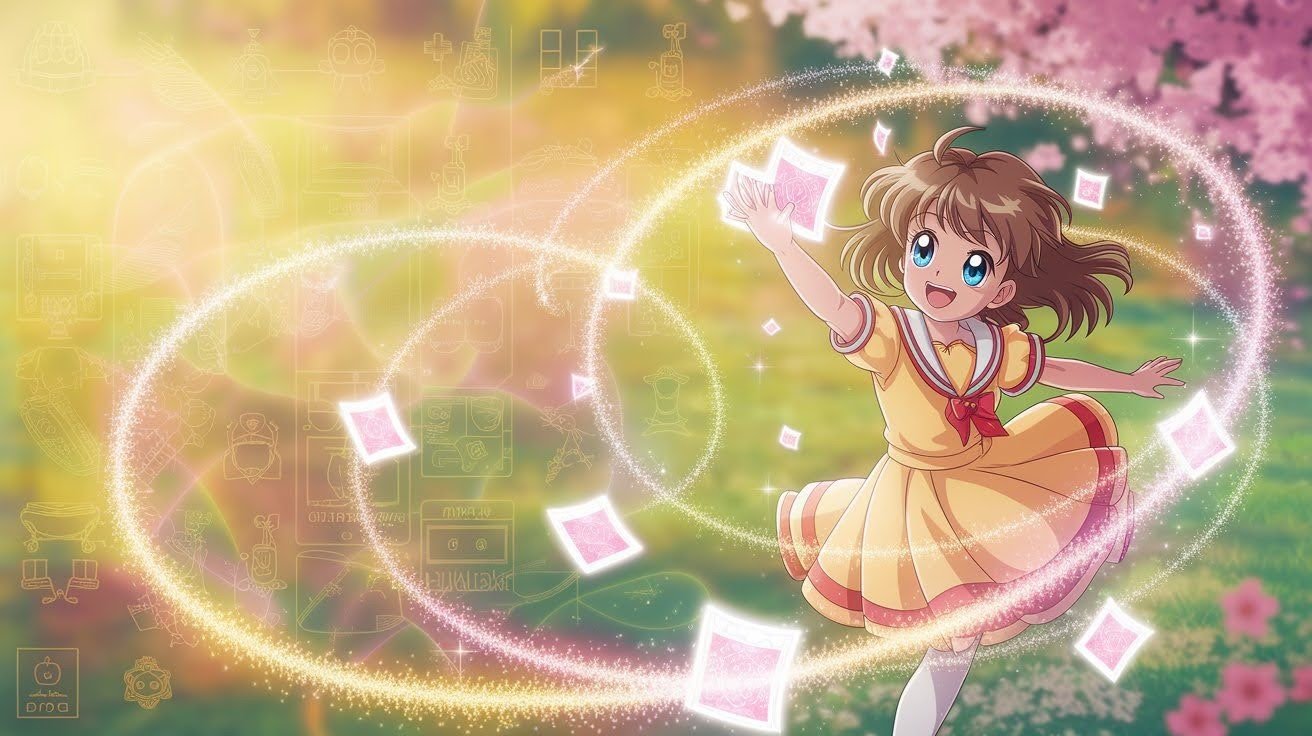
The anime adaptation mixed adventure-style gameplay with mini-games. Collect Clow Cards through various challenges. Each card offered different interactive moments.
Mini-games varied in style and difficulty. Some tested reflexes, others required puzzle solving. The variety kept things fresh.
Anime fans got interactive story content. The game understood its audience and delivered appropriately.
18. Kaze no Klonoa
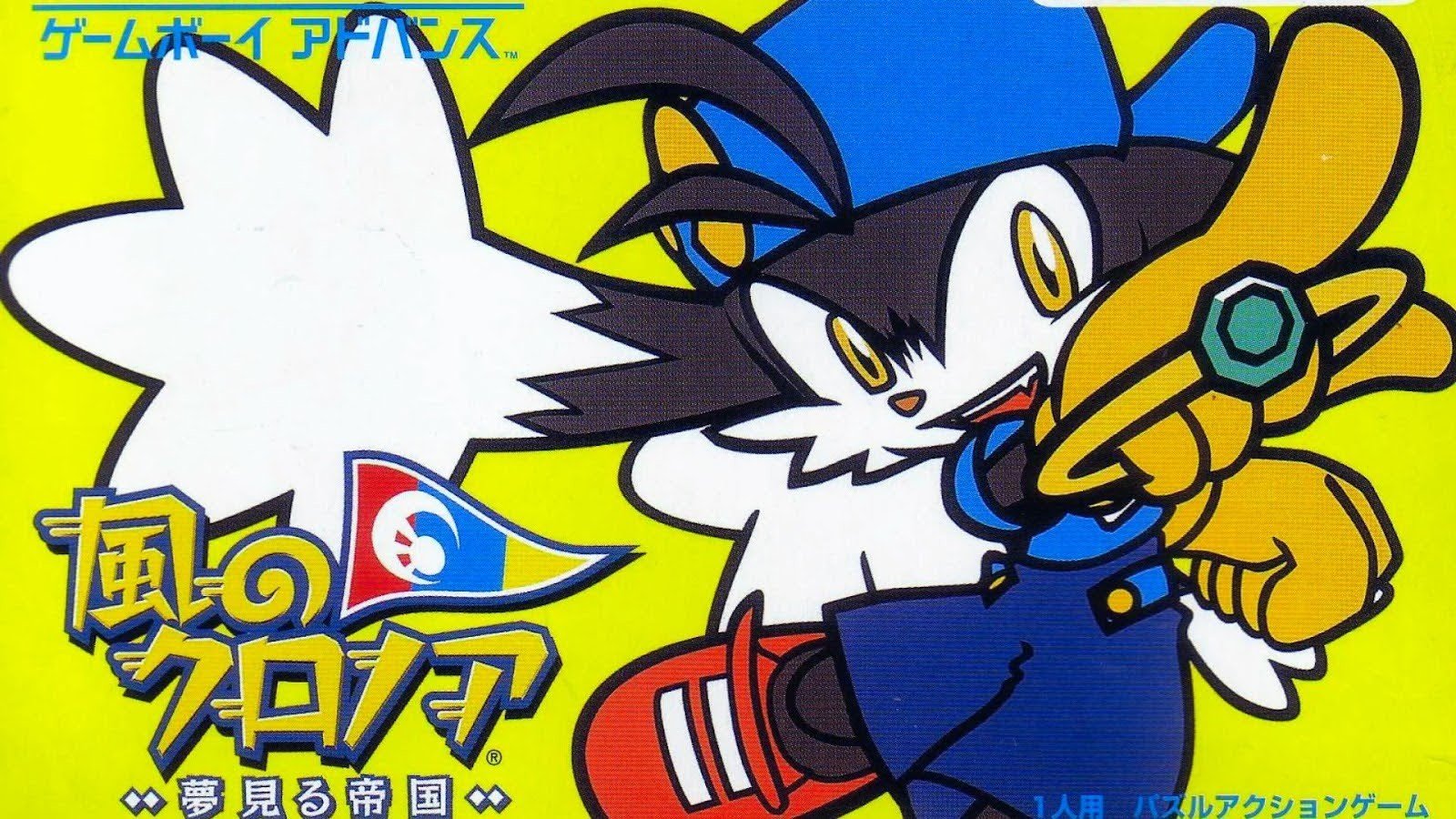
Another Klonoa title with completely different stages. Platforming and puzzles balanced throughout. Level variety prevented repetition across the game.
This wasn’t just more Moonlight Museum content. New mechanics and challenges distinguished it. Klonoa fans got legitimate new experiences.
The WonderSwan became Klonoa’s second home. Both games showcased what the handheld could achieve.
19. Judgement Silversword
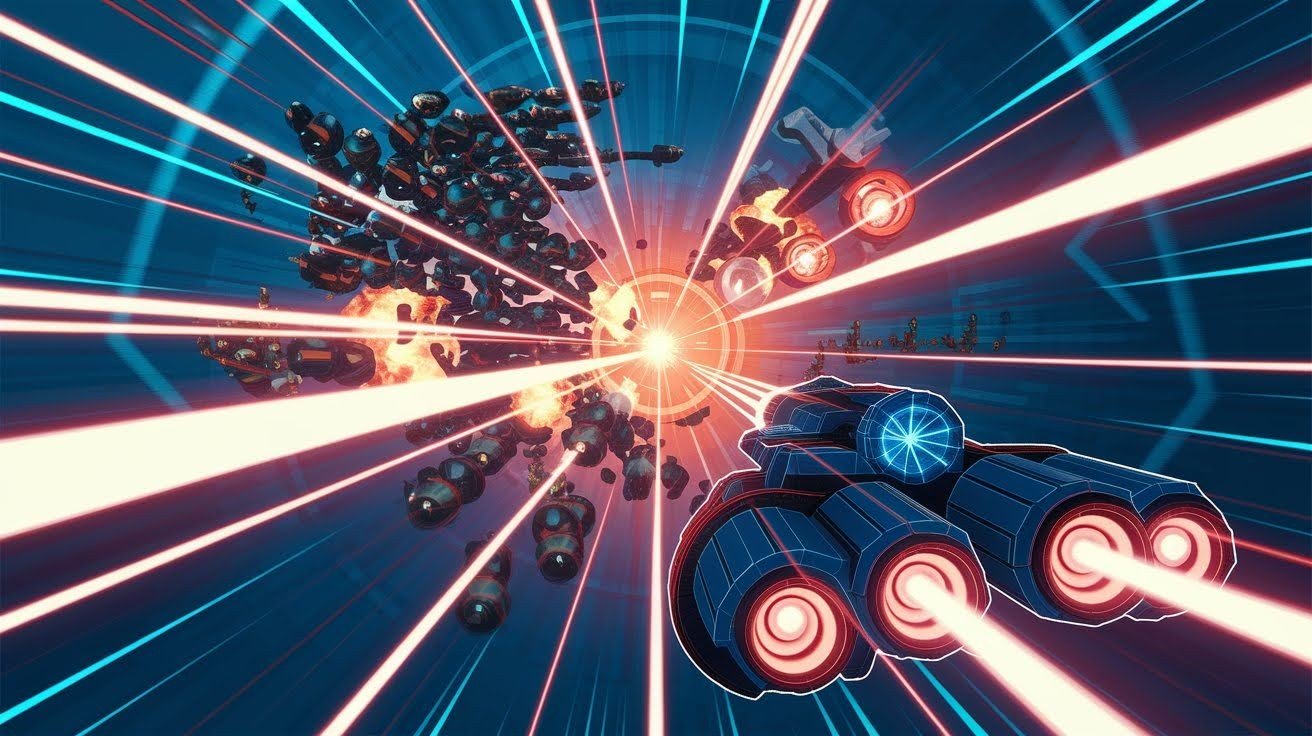
This vertical shoot-em-up pushed WonderSwan’s capabilities. Bullet patterns filled the screen without slowdown. The framerate stayed smooth during intense moments.
Enemy waves demanded memorization and reflexes. Power-ups changed your ship’s abilities dramatically. Score chasers found replay value.
Shmup fans found a hidden gem. The game competed with console shooters in pure gameplay terms.
20. Lode Runner
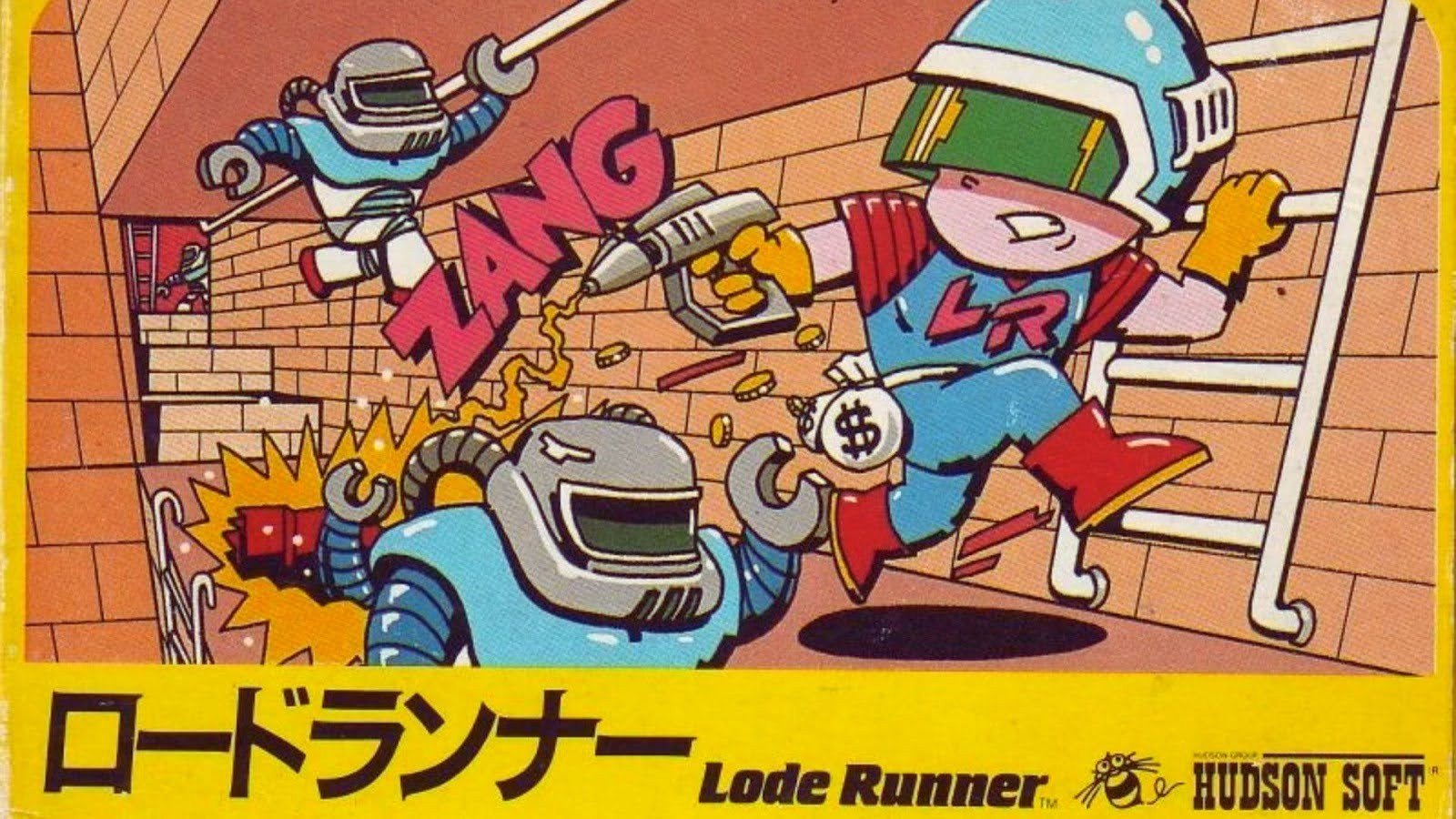
The classic puzzle-platformer arrived with exclusive WonderSwan stages. Dig holes to trap enemies and collect gold. Timing and planning determined success.
Stage design ranged from simple to devious. Later levels required perfect execution. One mistake meant restarting.
The formula aged gracefully. New stages justified the port. Puzzle fans found fresh challenges.
21. Buffers Evolution
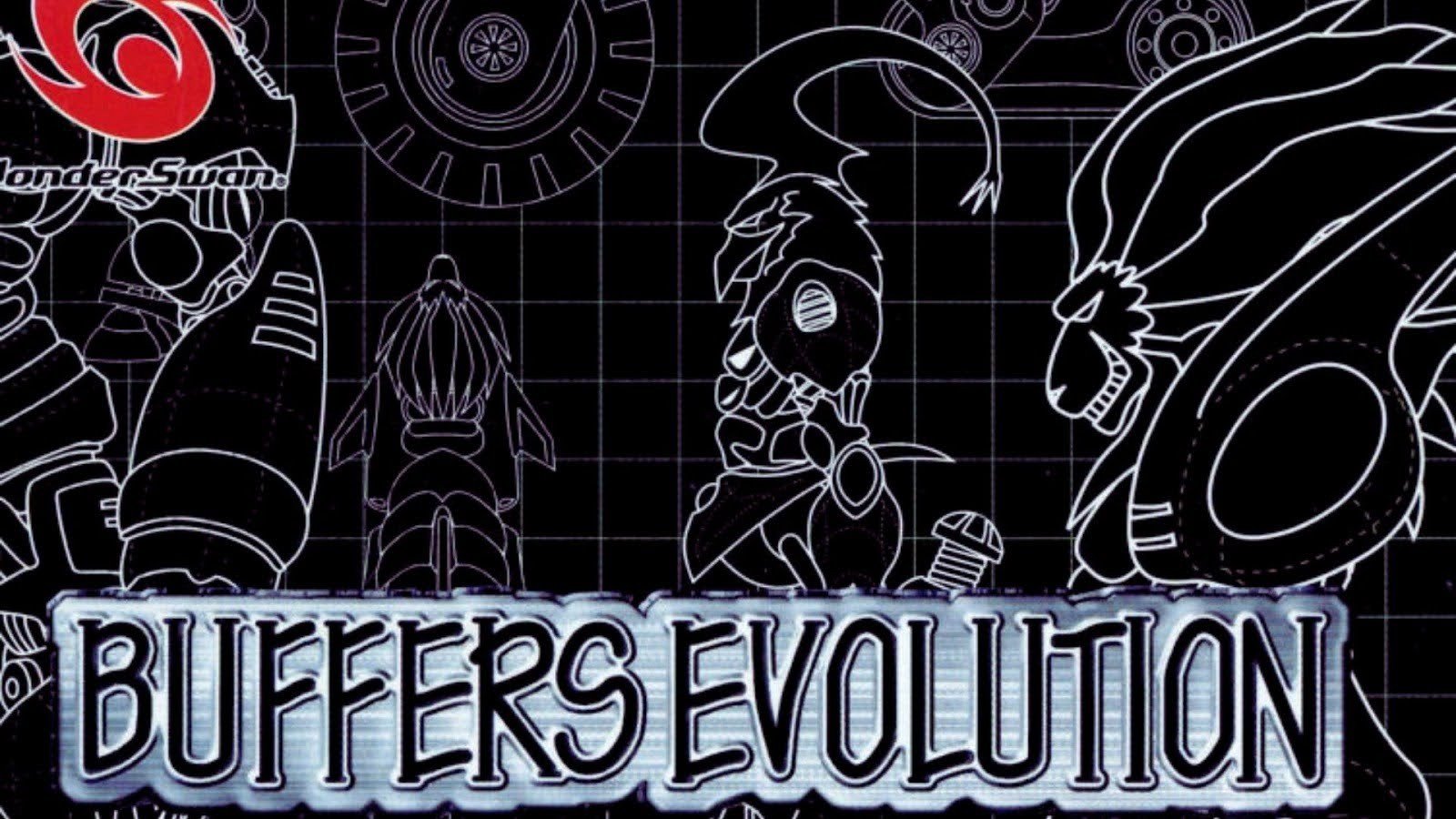
Monster evolution meets strategic training simulation. Raise creatures through battles and care. Evolution paths branched based on your choices.
Training decisions shaped your monster’s growth. Different stats opened different evolution options. Depth emerged from simple systems.
The game rewarded experimentation. Multiple playthroughs revealed new evolution paths. Monster collectors found surprising complexity.
22. Pocket Fighter
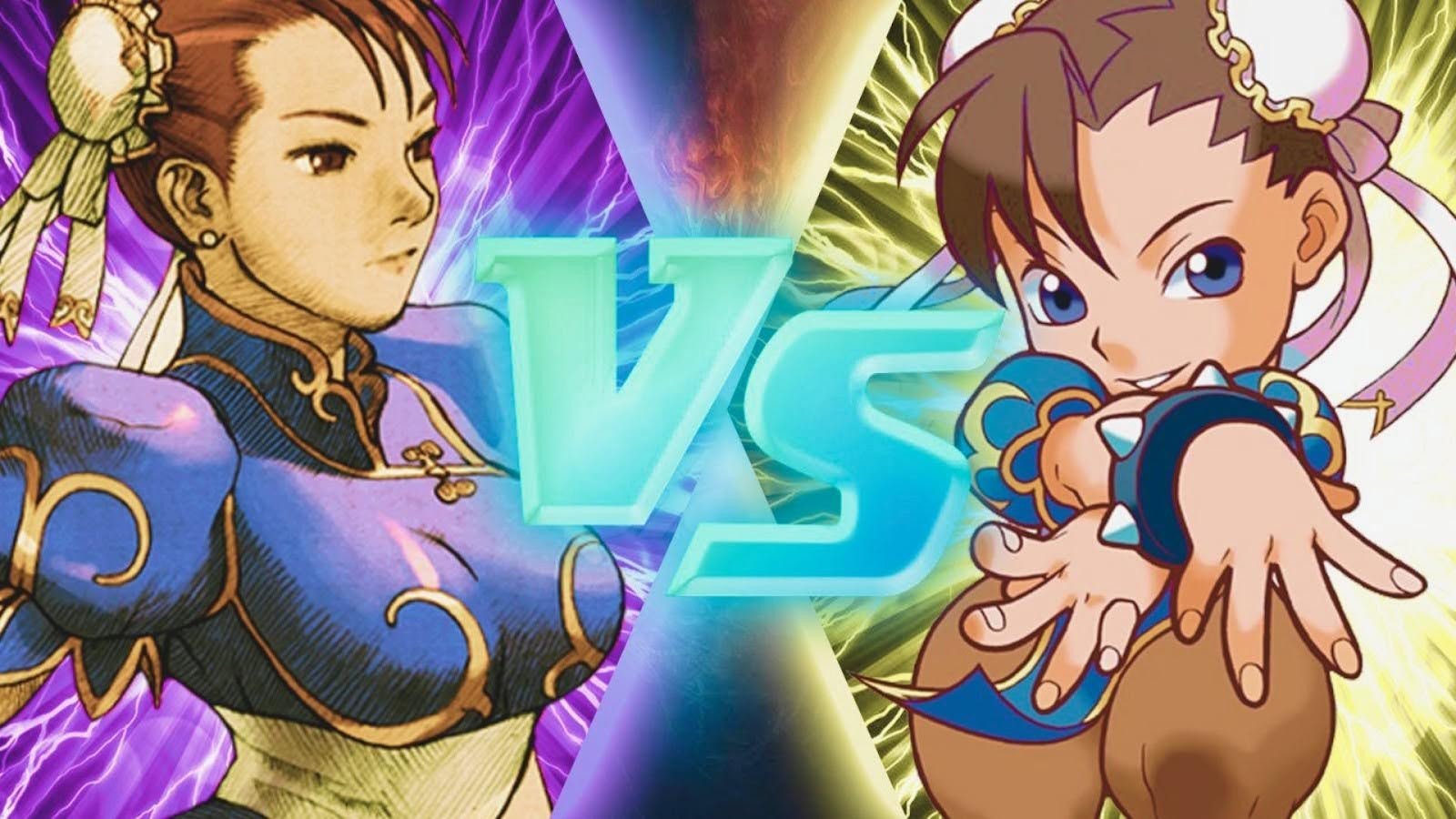
Capcom’s super-deformed fighting game came to WonderSwan. Characters from Street Fighter and Darkstalkers battled in chibi form. Combos and special moves felt fluid.
Despite the cute appearance, mechanics stayed solid. Frame data mattered. Timing determined winners. Fighting game fundamentals applied.
Portable fighting games often cut corners. Pocket Fighter delivered complete gameplay.
23. SD Gundam: Operation U.C.
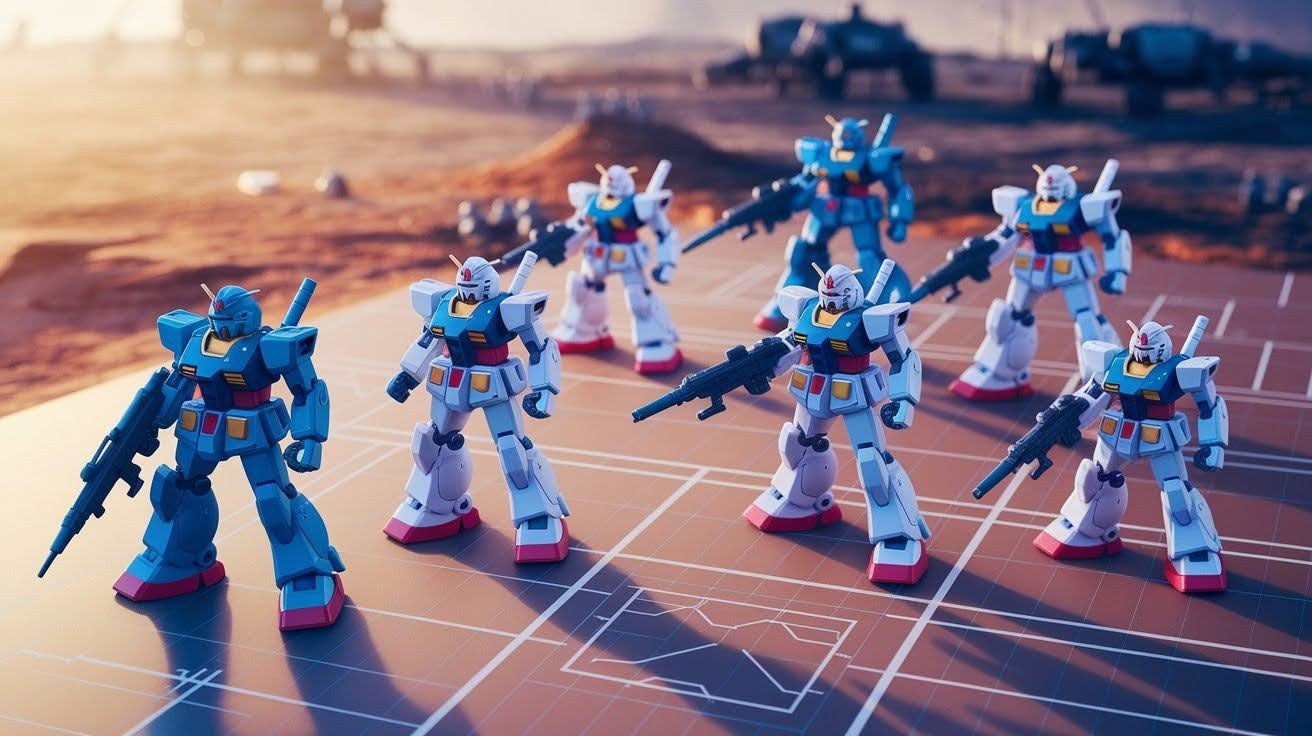
Grid-based tactical RPG featuring mobile suits from across Gundam history. Customize mechs, position units strategically, complete objectives. Each mission required planning.
Unit variety created strategic options. Close-range suits played differently from snipers. Team composition affected mission success.
Strategy RPG fans found depth here. The Gundam theme added flavor without overwhelming gameplay.
Legacy of WonderSwan’s Game Library
These 23 games showcase what made the WonderSwan special in portable gaming history.
- Creative ambition shined through limited hardware as developers built experiences around unique features rather than simple ports
- Retro collectors continue finding gems in this library that reveal innovation happening outside mainstream gaming circles
- The WonderSwan hosted ideas that couldn’t exist elsewhere thanks to its distinctive vertical and horizontal screen capabilities
- Portable gaming owes debts to these experiments that proved handhelds deserved original content instead of scaled-down console games
- That influence echoes through modern portable design as developers still value hardware-specific gameplay innovation
Conclusion
The best WonderSwan games show exactly how great design can always defeat raw power. These 23 titles centered on key issues. Gameplay that is smart and enjoyment that is pure are reasons that do still hold them up.
To find hidden gems on forgotten systems was just a thrill I remember. Finding these old favorites makes things great. The WonderSwan library is packed with surprises waiting for you for your experience of them.
Which one is first up to catch your eye? Comment with your WonderSwan stories, or tell me which game you’ll track down.
Have I missed a favorite one of yours possibly, maybe? Let us keep this conversation going so let us keep these classics alive together.
Frequently Asked Questions
What made WonderSwan different from Game Boy?
The WonderSwan had a 16-bit CPU and switched between vertical and horizontal play. It ran 40 hours on one AA battery.
Why did the WonderSwan fail commercially?
It only launched in Japan and some Asian markets. Nintendo’s Game Boy dominated worldwide, making competition too difficult.
Can I play WonderSwan games today?
Yes, through original hardware or emulation. You can buy systems and games from import sites or use emulators.
Are WonderSwan games region locked?
No. Any WonderSwan system plays any game from the library regardless of region.
Which WonderSwan games are most valuable today?
Judgement Silversword and Dicing Knight Period command high prices. Limited print runs and complete-in-box condition drive collector value.