
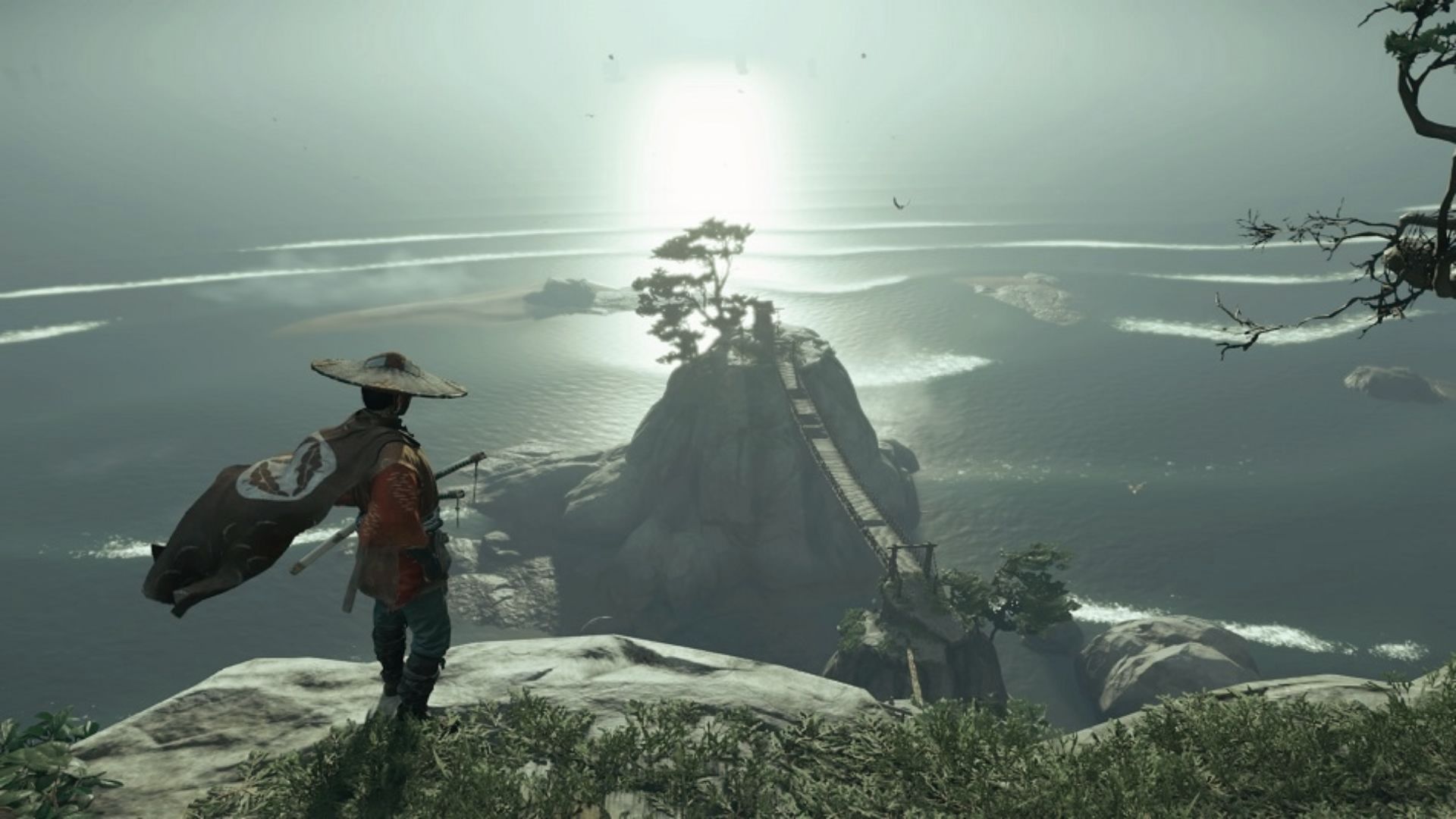
I picked up Ghost of Tsushima expecting a decent open-world game. What I got was something far more memorable.
In this Ghost of Tsushima review, I'll cover everything you need before playing or buying this game. From combat and story to how it holds up in 2026, I've got you covered.
Here's what this blog covers, Combat mechanics and the stance system Story, characters, and emotional depth Open-world comparisons with other big titles Tips to get the most out of your playthrough
I've spent over 60 hours in this game, so you're getting a real take, not a rushed opinion.
Why Ghost of Tsushima Is Still Talked About

Ghost of Tsushima, released in 2020 by Sucker Punch Productions, continues to hold a strong place in gaming conversations even years after launch.
The game stood out for its cinematic presentation, fluid combat, and deeply respectful portrayal of feudal Japan.
Players praised its open world, the wind mechanic as a guiding tool, and its emotional storytelling. A Director's Cut and PC port kept the community active and growing.
Its cultural impact, including recognition from Japanese audiences and a real-life effect on tourism in Tsushima Island, cemented its lasting relevance in the gaming world.
What Makes the Ghost of Tsushima Stand Out?

A look at what separates this game from every other open-world title on the market.
The Samurai Fantasy and Historical Influence
The game is set during the Mongol invasion of Tsushima Island in 1274. While it takes creative liberties, it grounds itself in real history.
That foundation gives the story weight. You're not fighting in a made-up world. You're defending a real place, with real consequences baked into the narrative.
Kurosawa Film Influences and Atmosphere
Sucker Punch didn't hide their ideas. The game even includes a Kurosawa Mode, which turns everything black and white with film grain added.
It's a direct nod to classic Japanese cinema. The camera work, slow pacing in cutscenes, and dramatic standoffs all feel pulled from that era of filmmaking.
Why the Open World Feels Immersive
There are no map markers cluttering your screen. Instead, wind guides you to your destination. Birds lead you to shrines.
Smoke rises from villages under attack. It's a subtle but effective way to keep you in the world without breaking immersion with menus and pop-ups.
Ghost of Tsushima Combat and Gameplay Review

The combat is fluid, rewarding, and deep enough to stay interesting from start to finish.
How the Stance System Works
Jin can switch between four combat stances, each designed to counter a specific enemy type.
Stone Stance handles swordsmen, Water counters shields, Wind takes on spears, and Moon breaks through brutes.
You unlock and upgrade stances by observing enemies in combat. It forces you to pay attention instead of just mashing buttons.
Samurai Combat vs Ghost Tactics
This is where the game gets interesting. You can fight honorably as a samurai, facing enemies head-on in duels.
Or you can go full Ghost, using poison, smoke bombs, and stealth assassinations. Both styles are fun. The game never forces you to pick one permanently, which keeps things flexible.
Best Abilities, Weapons, and Skills
The Kunai and Black Powder Bomb are early standouts. For stances, prioritize upgrading Water and Wind early since shielded and spear enemies appear often.
Ghost Weapons become powerful later, especially when you start chain-assassinating groups. The Heavenly Strike ability is also worth getting early for tough sword fights.
Does Combat Become Repetitive Over Time?
Honestly, a little. By the third act, most enemy types are familiar. The stance system helps keep fights varied, but if you stick to one playstyle, things can feel routine.
Mixing samurai and ghost tactics regularly is the best way to keep combat fresh.
Boss Fights and Enemy AI Review
Boss fights are highlights of the game. Each one feels cinematic and requires learning specific patterns.
Enemy AI outside of bosses is decent but not exceptional. Groups can be outwitted easily with basic ghost tools. That said, one-on-one duels remain tense throughout the entire game.
Ghost of Tsushima Story and Character Review
The story is more thoughtful than most open-world games bother to be.
Jin Sakai's Journey From Samurai to Ghost

Jin starts as a rule-following samurai trained by his uncle Lord Shimura. As the Mongol threat grows, he adopts forbidden tactics to survive.
This internal conflict drives the entire story. He's not just fighting enemies. He's fighting who he used to be.
Themes of Honor, Revenge, and Sacrifice
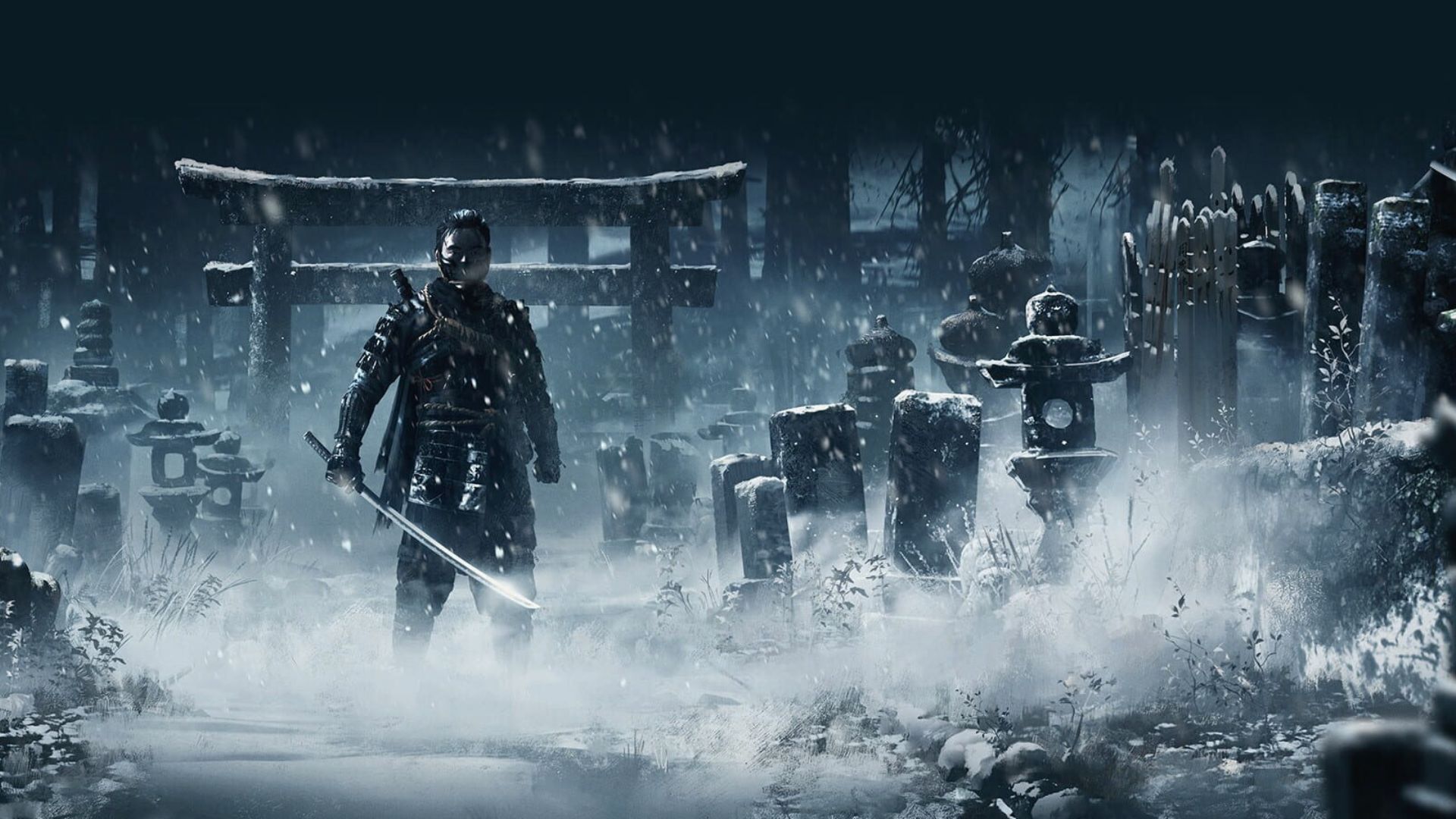
The game asks hard questions. Is breaking your code acceptable if it saves lives? Can honor survive war?
These aren't answered simply, which makes the narrative feel mature. The ending, regardless of which choice you make, carries real emotional weight.
Best Supporting Characters and Side Stories

Yuna is the standout supporting character. She's practical where Jin is principled, and their dynamic drives much of the early story.
The side quests, called Tales of Tsushima, are consistently well-written. Some rival the main story in quality.
Does the Story Deliver Emotionally?
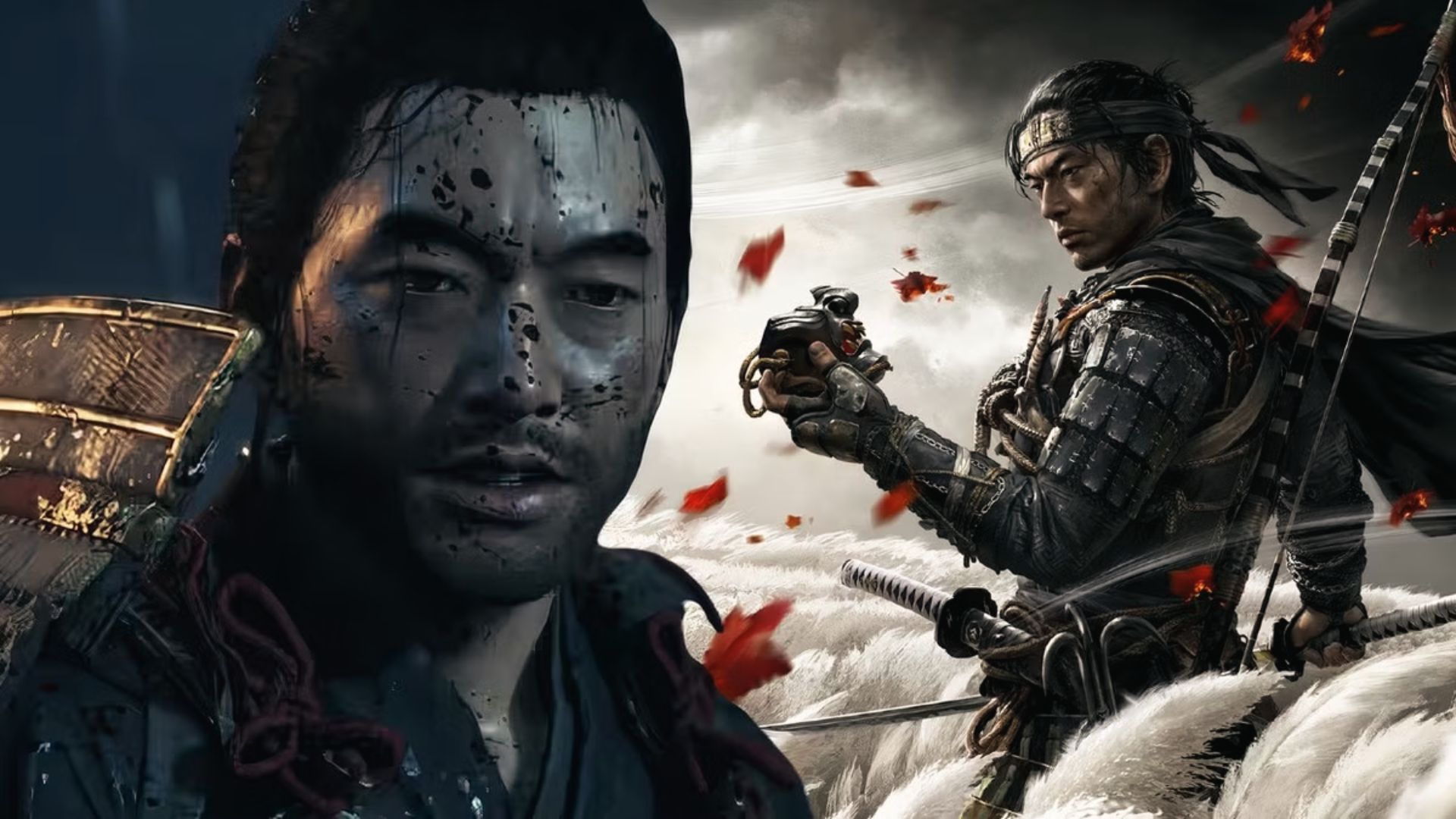
Yes. The final act lands hard, especially if you've invested in the side stories. I didn't expect to feel as much as I did during the ending.
It's one of the few games that earns its emotional moments rather than forcing them.
Ghost of Tsushima Open-World Review Comparison

How does this game stack up against the biggest names in open-world gaming?
Ghost of Tsushima vs Assassin's Creed
Both games feature large open worlds, historical settings, and stealth systems. Ghost of Tsushima wins on atmosphere and focus.
Assassin's Creed games often bloat their worlds with filler content. Ghost keeps its activities meaningful and avoids overwhelming the player with icons.
Ghost of Tsushima vs Sekiro
Sekiro is harder, more punishing, and more mechanically demanding. Ghost is more accessible and story-forward.
If you want a challenge-first experience, Sekiro wins. If you want a cinematic open-world with solid combat, Ghost is the better choice.
Is Ghost of Tsushima Too Similar to Ubisoft Games?
It shares some DNA, yes. Camps to clear, collectibles to find, and a large map to work through. But the execution is cleaner.
The world reacts more naturally, and activities rarely feel like chores. The wind guidance system alone changes how exploration feels.
What Ghost of Tsushima Does Better Than Other Open-World Games
The atmosphere is the biggest win. No other open-world game has made me stop moving just to watch the wind blow through a field.
The minimalist UI, the sound design, and the visual direction work together in a way most games don't manage.
Tips Before Playing Ghost of Tsushima
A few things I wish I knew before starting that will save you time and frustration.
- Start by upgrading Water and Wind Stances early. They work against the most common enemy types and make fights much easier.
- Do Mythic Tales as soon as they show up. They give you powerful moves like Heavenly Strike and Way of the Flame that stay useful throughout the game.
- Mix stealth and direct combat instead of sticking to one style. Use Ghost tools to clear groups first, then go in sword-first for the rest.
- Visit shrines, haiku spots, and hot springs when you pass them naturally. They give solid upgrades without making the game feel like a chore.
- Don't rush to clear every map icon before moving the story forward. Let side content come to you and the game stays fun much longer.
Conclusion
I'll be honest. I went into Ghost of Tsushima with low expectations. I came out genuinely moved by it.
If you're on the fence, stop waiting. This game earns every hour you give it. The story, the world, and the combat all come together in a way that feels rare.
If this Ghost of Tsushima review helped you, drop a comment below and share what you thought of the game. Share this post with a friend who's been considering it.
Frequently Asked Questions
Is Ghost of Tsushima based on a true story?
The Mongol invasion of Tsushima Island in 1274 is a real historical event. However, Jin Sakai and most characters in the game are fictional creations by Sucker Punch.
How long does it take to finish Ghost of Tsushima?
The main story takes around 25 to 30 hours. Completing side content and all activities can push that closer to 50 to 60 hours depending on your pace.
Is Ghost of Tsushima available on PC?
Yes. The Director's Cut was released on PC in 2024, bringing the full game and the Iki Island expansion to the platform with improved visuals.
Is Ghost of Tsushima difficult to play?
It has adjustable difficulty settings. Lethal Mode offers a serious challenge while lower settings make it accessible for players who prefer focusing on the story.
Does Ghost of Tsushima have multiplayer?
Yes. Legends Mode is a free online co-op mode where players team up for missions influenced by Japanese mythology, separate from the main story campaign.