
I still remember the first time a game let me make a choice that actually changed the ending. It stopped me completely. I replayed it three times just to see what else was possible.
That's when I realized how much game structure shapes the entire experience.
Most players never think about why one game feels like watching a film while another feels like living inside one. The answer comes down to design.
Nonlinear gameplay vs linear gameplay is one of the most important concepts in modern gaming, and understanding it will completely change how you choose and experience games.
Let's break it down.
Why Gameplay Structure Changes Everything in Gaming
The way a game is structured decides how much control you have, how deep the story feels, and how long the experience stays interesting. It's the backbone of every design decision a developer makes.
Linear and nonlinear gameplay sit at opposite ends of that spectrum. One guides you through a carefully crafted story.
The other puts the direction largely in your hands. Both approaches create completely different kinds of immersion.
The difference also affects replay value in a big way. A game you can finish once and feel satisfied with is built very differently from one that pulls you back for a second or third run.
Modern game design increasingly blends both styles together, recognizing that players want strong stories and meaningful freedom at the same time.
What Is Linear Gameplay? (Simple Definition)
Linear gameplay is a structured format where players follow a fixed path from start to finish.
Story progression is pre-determined, and there's very little room to deviate from the intended sequence of events.
Players move through the experience in a set order with minimal impact on how the story unfolds.
Impact of Linear Gameplay on Player Experience
Linear gameplay gives developers tight control over how the story is told and how players feel at each stage.
That control is what makes some linear games feel genuinely cinematic and emotionally powerful.
Here's how linear gameplay shapes the player experience:
- Strong narrative control: Developers can craft precise emotional beats, dramatic reveals, and a clear story arc without worrying about player choices breaking the flow.
- Cinematic storytelling: Linear games often feel closer to an interactive film, with polished cutscenes and carefully timed story moments.
- Easier emotional pacing: Tension, relief, and drama can be built and released exactly when the developer intends.
- Limited replay value: Once you know the story, there's rarely a strong reason to play through it again from the start.
Linear gameplay works best when the goal is to deliver a powerful, focused story. Players experience the game like watching a great film rather than writing their own.
What Is Nonlinear Gameplay? (Core Concept of Nonlinear Gameplay)
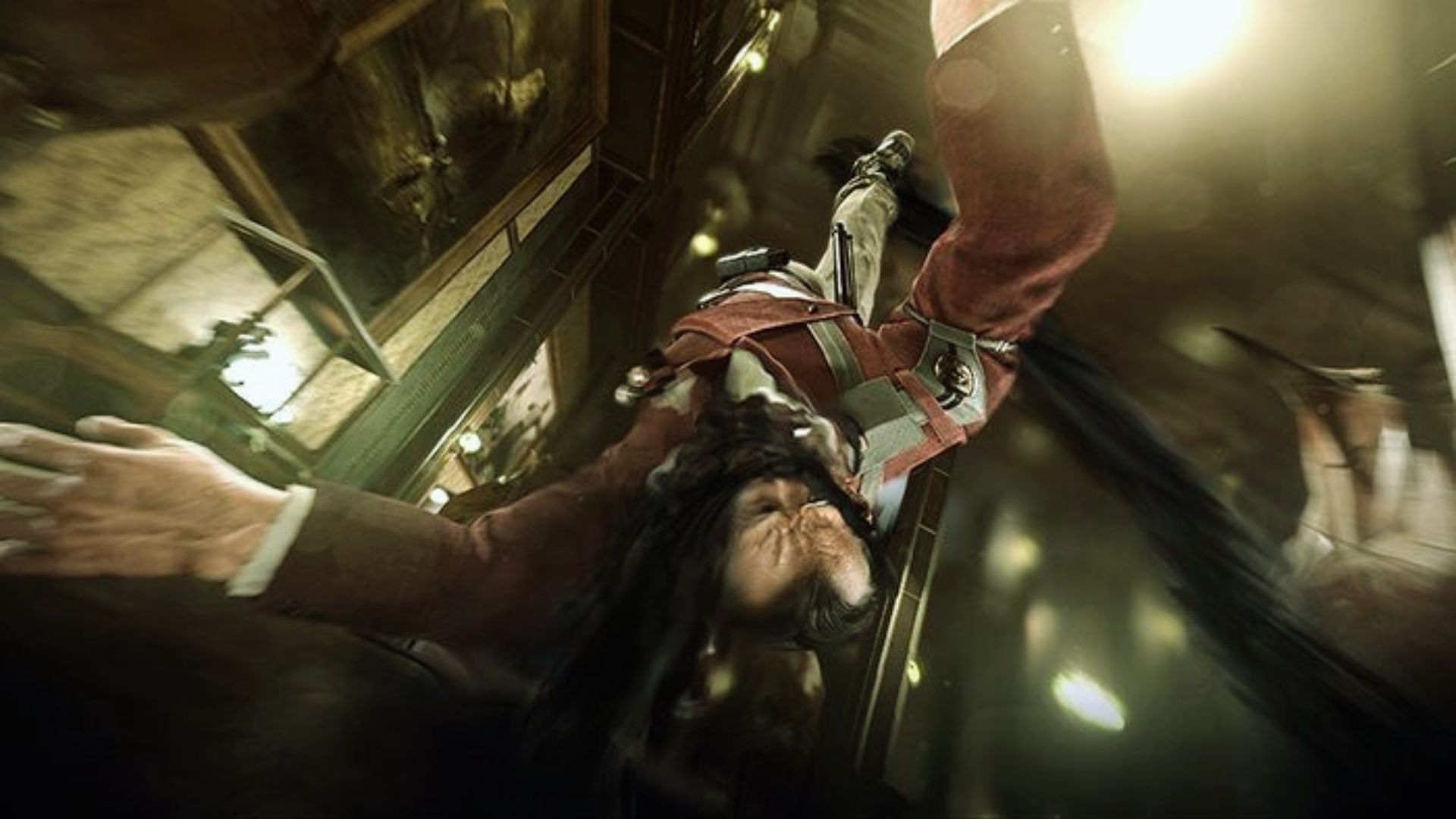
Nonlinear gameplay gives players the ability to influence the story, explore the world freely, and make choices that change how things play out.
Rather than following a single fixed path, players can approach objectives in different orders, make decisions with real consequences, and often reach multiple different endings.
Many of the most talked-about modern games are built around this model because it puts real agency in the player's hands.
Impact of Nonlinear Gameplay on Player Experience
Nonlinear gameplay creates a very different kind of connection between the player and the game. When your choices actually matter, you're far more invested in what happens next.
Here's what nonlinear gameplay does to the player experience:
- High replay value: Different choices lead to different outcomes, giving players a genuine reason to start over and try a new path.
- Greater emotional engagement: When you shape the story yourself, the consequences hit differently. Losses feel earned. Wins feel personal.
- Increased immersion: Exploration, discovery, and decision-making pull players deeper into the game world than a guided path typically can.
- Can feel overwhelming: Players who prefer clear direction may find open-ended structures harder to enjoy, especially in games with very few guardrails.
The freedom that nonlinear gameplay offers is its biggest strength. But that freedom only works well when the game world is rich enough to make exploration feel worthwhile.
Key Differences Between Linear and Nonlinear Gameplay
Both styles serve different player needs and creative goals. This comparison makes it easy to see exactly how they differ in practice.
| Category | Linear Gameplay | Nonlinear Gameplay |
| Story Progression | Fixed storyline with no deviation | Branching storylines with multiple outcomes |
| Player Freedom | Limited exploration and guided missions | Open-ended exploration and decision-based progress |
| Replay Value | Lower replay incentive | High replay value due to alternate endings |
| Game Design Complexity | Easier to design and optimize | Requires complex branching systems and AI logic |
| Emotional Pacing | Tightly controlled by the developer | Shaped by the player's own choices and pace |
| Player Role | Audience experiencing a story | Active participant shaping the outcome |
Neither column is automatically better. The right choice depends entirely on what kind of experience you're looking for when you sit down to play.
How Modern Games Blend Both Styles
The most successful games today don't commit fully to one side. They pull from both linear and nonlinear gameplay to create experiences that feel structured and free at the same time.
A common approach is to keep the main story linear while opening up the world around it. The core narrative stays focused and emotionally controlled, but side quests, exploration, and smaller decisions give players real agency outside of it.
This hybrid model works because it solves the core weakness of each style. Linear storytelling loses its freshness on a second playthrough.
Pure nonlinear design can feel directionless without a strong narrative anchor holding it together.
Games that get this balance right tend to be the ones people talk about for years.
A compelling main story paired with genuine freedom in how you explore and interact with the world is a hard combination to beat.
Conclusion
Most players pick a game without ever thinking about the design structure behind it.
Now you actually know the difference. That changes how you choose, how you play, and how you talk about games.
Nonlinear gameplay isn't just a feature. It's a whole different relationship between you and the game world. So here's what I want you to do next.
Pick one game from each style, play both, and come back and tell me which one hooked you more. Drop it in the comments below. I read every single one.
Frequently Asked Questions
What Is Nonlinear Gameplay in Simple Terms?
Nonlinear gameplay lets players make choices that affect how the story progresses and how it ends, rather than following one fixed path. It puts real decision-making power in the player's hands throughout the experience.
What Are Nonlinear Gameplay Games?
These are games where players can explore freely, make meaningful decisions, and reach multiple different endings based on the actions they take. Popular examples include open-world RPGs and choice-driven narrative games.
Is Nonlinear Gameplay Better Than Linear Gameplay?
Neither is objectively better since it comes down to whether you prefer a structured, guided story or a freedom-based experience you shape yourself. Both styles have produced some of the most celebrated games ever made.
Why Do Developers Use Linear Gameplay?
Linear gameplay gives developers full control over pacing, emotional beats, and storytelling so the experience lands exactly as intended. It's also less complex to build and test than a branching nonlinear system.
Can a Game Be Both Linear and Nonlinear?
Yes, and many modern games use exactly this hybrid approach by keeping the main story linear while building nonlinear side content around it. This gives players both a strong narrative and genuine freedom to explore.