
If you've been wondering whether Outer Wilds is worth your time in 2026, you're in the right place.
I've spent hours inside this strange little solar system, and I'll be honest:it surprised me in ways most games don't.
In this article, I'll cover everything: the gameplay, the story, the planets, the frustrations, and whether it still holds up today.
I'll also answer the big question:should you actually buy it?
I've reviewed dozens of games over the years, so you're getting an honest take here.
No fluff. No hype. Just a straightforward breakdown to help you decide.
What Are Outer Wilds?
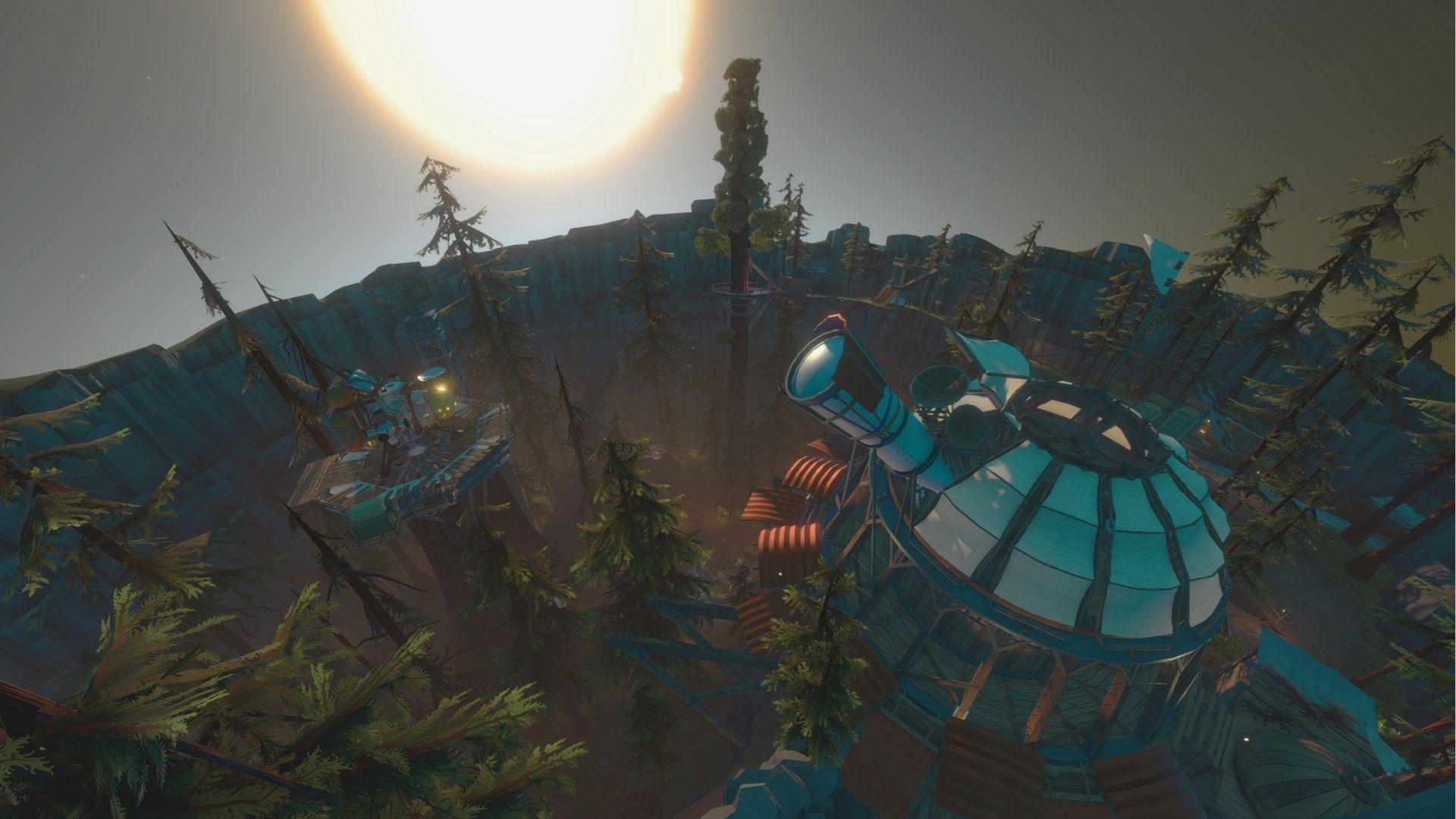
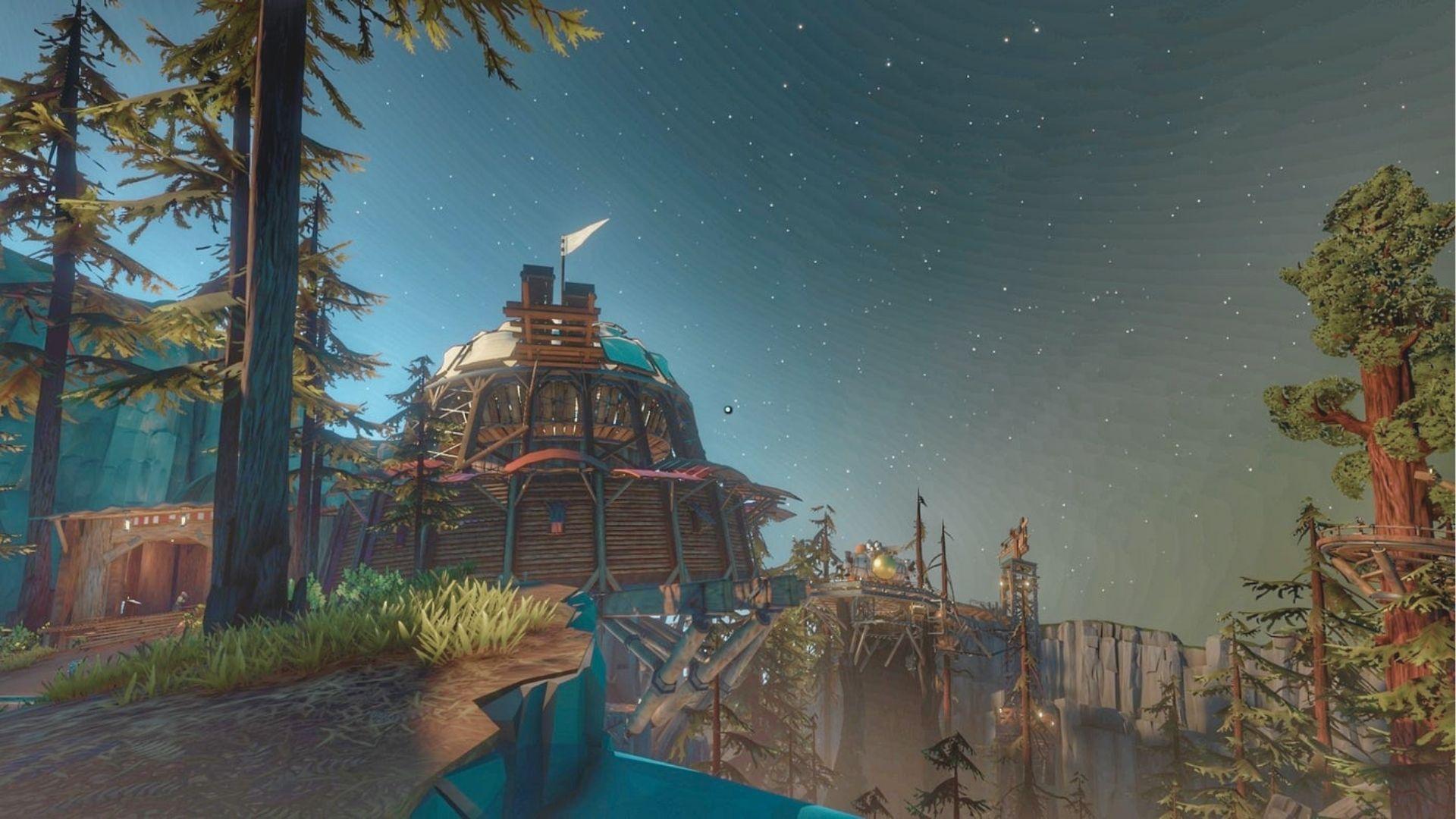
Outer Wilds is an indie exploration game by Mobius Digital, released in 2019. You play as a Hearthian, a small alien astronaut exploring a handcrafted solar system.
The goal is to figure out what happened to the Nomai, an extinct alien civilization that left clues scattered across different planets.
The biggest twist is the 22-minute time loop. Every 22 minutes, the sun explodes and everything resets. But you keep your knowledge. That memory is your only real progress.
There's no combat, no upgrades, no gear. What you learn is what moves you forward. That's what makes it stand apart.
Outer Wilds Gameplay Review
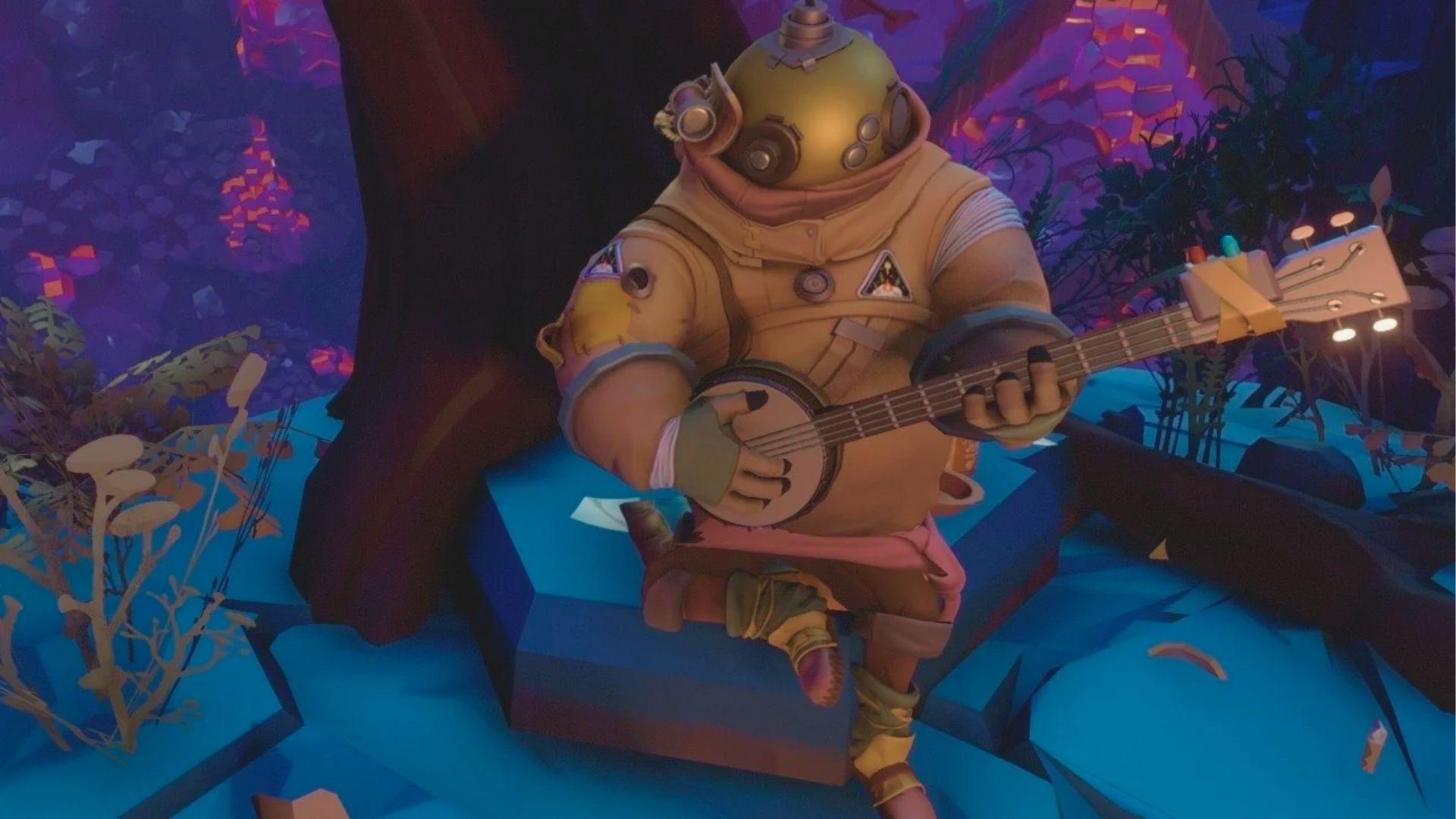
Let's get into the actual gameplay. Here's what playing Outer Wilds really feels like day to day.
Open-Ended Exploration
From the very first loop, you can go anywhere.
No one tells you which planet to visit first. There's no mission marker pointing you in a direction. You just pick a spot in the sky and fly toward it.
This kind of freedom can feel strange at first. But once it clicks, it becomes one of the best parts of the game.
Puzzle Solving and Discovery
Outer Wilds doesn't have traditional puzzles with buttons and levers.
Instead, you observe. You read. You think.
When you finally connect two pieces of information and something makes sense, the feeling is hard to describe. Those "eureka moments" are genuinely exciting.
Flying the Spaceship
The ship controls are physics-based. That means landing on planets takes some getting used to.
Early on, you will crash. A lot.
But once you get comfortable with the controls, flying around the solar system feels smooth and satisfying. There's also an autopilot system that helps with longer trips.
Using the Ship Log and Clue System
Your ship has a built-in Rumor Map. It tracks every mystery you've found and every lead you haven't followed yet.
It doesn't tell you what to do. It just shows you what you know and what still has question marks on it.
This system is smart. It keeps you motivated without holding your hand.
The Planets and Solar System Design

Each planet in Outer Wilds has its own rules, its own atmosphere, and its own secrets. Here's a look at what makes them work so well.
Why Every Planet Feels Memorable
No two planets feel the same.
Each one has a mechanic that only exists there. The environments tell stories through their design, not just their text. And because the solar system is running in real time, things change during each loop.
Giant's Deep
Giant's Deep is an ocean planet covered in massive cyclones.
Getting past those storms is tricky. But once you make it underwater, there are hidden structures waiting to be found. It's one of the more rewarding planets to figure out.
Brittle Hollow
Brittle Hollow is falling apart. Literally.
The planet's surface crumbles as you walk on it, dropping chunks down toward a black hole at the core. Some paths close off as the loop goes on, so timing matters here.
The Hourglass Twins
These two planets orbit each other while sand flows between them.
Sand fills caves on one planet and empties them on the other. What you can access changes depending on when in the loop you visit. It's a clever mechanic that rewards patience.
Dark Bramble
Dark Bramble is not like the other planets.
It's dark. It's disorienting. Strange sounds follow you inside. It's the one part of the game that genuinely made me feel uneasy, and I mean that as a compliment.
Most players say it's one of the most memorable locations in the game. I agree completely.
Storytelling and Narrative Design

Outer Wilds tells its story in a way most games don't try. Here's how it works and why it connects with so many players.
How Outer Wilds Tells Its Story
There are no cutscenes here. No narrator explaining the plot.
Instead, you find Nomai writings carved into walls and written on stone. You piece together what happened to them slowly, in no particular order.
It's a nonlinear way to experience a story. And it works surprisingly well.
Themes of Curiosity and Discovery
At its core, this game is about wanting to know things.
It touches on big ideas: the size of the universe, what we leave behind, what it means to search for answers. But it handles these themes gently, through exploration instead of lectures.
Why the Story Connects With So Many Players
The story doesn't tell you how to feel.
You interpret it yourself based on what you find and when you find it. That personal connection is why so many players talk about this game for years after finishing it.
Online communities still discuss theories and share moments regularly.
Graphics, Soundtrack, and Atmosphere
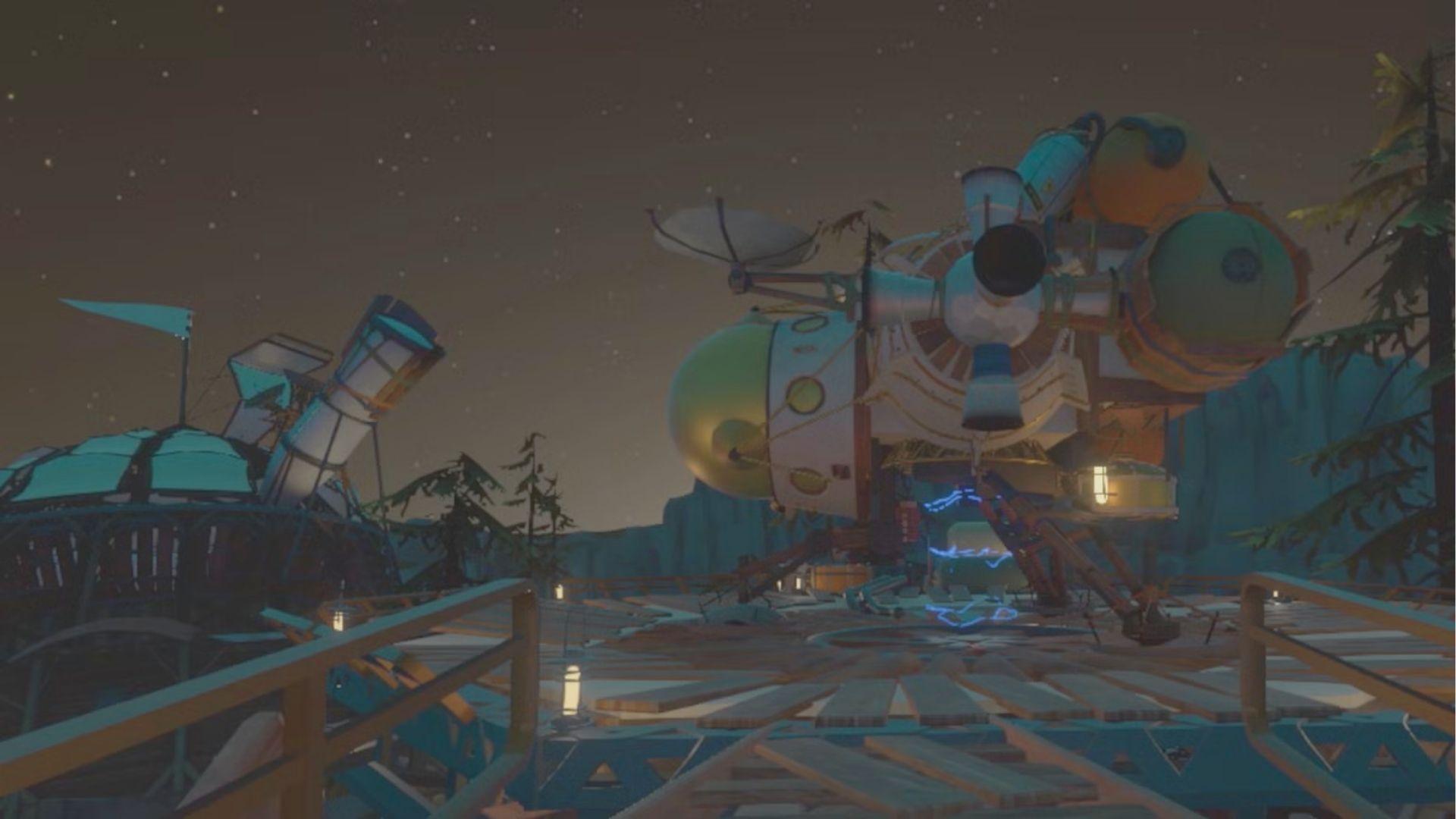
You don't need cutting-edge visuals to create a great atmosphere. Outer Wilds proves that clearly.
The Stylized Visual Design
The art style is simple but intentional. Bright colors, open skies, and planet surfaces that look distinct from each other.
It doesn't try to look realistic, and that actually helps it age well. In 2026, it still looks clean and clear.
Soundtrack and Audio Design
The soundtrack is built around banjo and acoustic instruments. It sounds warm and curious, which fits the tone perfectly.
The ambient audio in different locations adds to the mood without feeling overdone. Some musical themes are genuinely moving by the time the story ends.
Immersion and Environmental Detail
You can fly from one planet to another in real time, with no loading screens between them.
The solar system runs on its own schedule. Things happen whether you're watching or not. That makes the world feel alive in a way that's hard to explain until you're in it.
What Outer Wilds Does Best
A few things in this game are genuinely hard to find anywhere else.
True Exploration Freedom
There's no quest log pushing you forward. No NPC saying "go here next."
You find things because you looked for them. That sense of control over your own experience is rare in games.
Knowledge as Progression
Most games reward you with gear or levels. Outer Wilds rewards you with understanding.
Every new thing you learn actually changes what you can do next. It's a clever design choice and one that makes the game feel satisfying in a different way.
A Rare Sense of Discovery
Every clue you find matters. Nothing is filler.
If you've played Myst, The Witness, or Subnautica, you'll recognize that same feeling of figuring something out through observation. Outer Wilds belongs in that conversation easily.
One of the Most Impressive Indie Games Ever Made
Critics praised it heavily when it launched. Fans still recommend it constantly.
Its influence on indie game design is real. Several games released after it have borrowed ideas from its structure. That says a lot about how well it was made.
Where Outer Wilds Can Be Frustrating
No game is perfect. Here are the honest downsides.
The Time Loop Can Feel Repetitive
When you die or reset, you have to travel back to wherever you were.
Some paths take a few minutes to reach. If you're trying to catch a timed event, missing it and waiting 22 minutes again can wear on your patience.
Some Puzzles Are Extremely Obscure
Outer Wilds gives you almost no hints.
Some players figure everything out naturally. Others spend hours stuck on a single clue. If you get frustrated easily without guidance, that can become a real problem.
Flight Controls Have a Learning Curve
The physics-based flying feels clunky at first.
Early crashes are common. Some players never fully get comfortable with it. It gets better with practice, but the first hour or two can feel rough.
The Slow Pace Is Not for Everyone
There is a lot of reading. A lot of quiet moments. No action to break things up.
If you play games to fight things or move fast, Outer Wilds will probably feel too slow for you.
Do Outer Wilds Still Hold Up in 2026?
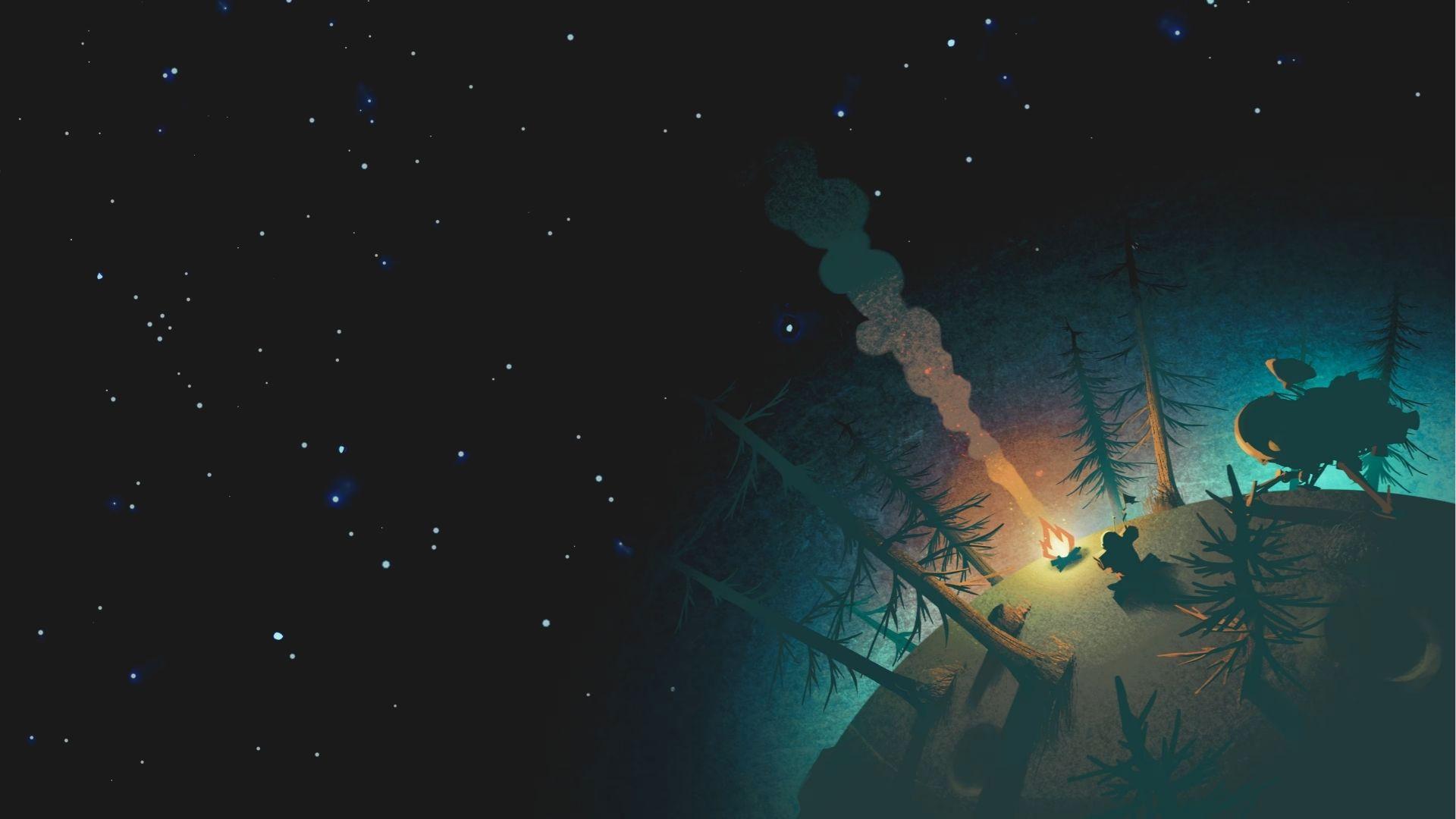
It came out several years ago. So how does it feel today?
The core design hasn't aged at all. Exploration-focused games don't go out of style the way action games do, and very few titles have copied this formula well enough to replace it.
On PC and modern consoles, it runs smoothly. The Nintendo Switch version is also in a good place after several performance updates.
Several solid indie exploration games have been released since 2019, but Outer Wilds still stands apart. The time loop, knowledge-based progression, and nonlinear storytelling remain a combination that nothing else has quite matched.
Is the Echoes of the Eye DLC Worth It?
Outer Wilds has one expansion called Echoes of the Eye. Here's what you need to know.
What the DLC Adds
The DLC introduces a completely new location with its own mysteries and lore.
It also expands on the story in meaningful ways, adding context that connects back to the main game.
Differences Between the DLC and Base Game
The expansion leans into horror elements more than the base game.
It's darker, slower, and more focused on specific puzzle sequences. The tone is noticeably different from the open solar system exploration you're used to.
Should New Players Buy the DLC Immediately?
Finish the base game first. The DLC is best experienced after you've completed the main story.
It adds to the experience, but jumping in too early can affect how you process the endings. Buy it when you're ready for more, not before.
Who Should Play Outer Wilds?
This game isn't for everyone, but the right player will love it.
If you enjoy mystery games, puzzle solving, or story-driven exploration, it's a strong fit. Fans of games like Myst, The Witness, or Subnautica will feel right at home.
But if you prefer action, fast pacing, and clear objectives, this one will likely frustrate you. Players who dislike getting stuck without hints may also struggle to enjoy it.
Simple as that.
Conclusion
Outer Wilds is one of those games I still think about even after finishing it.
The moment I connected two pieces of the Nomai story and everything clicked, I sat quietly for a minute. That rarely happens.
If you love exploring, thinking, and feeling something at the end, this game will stay with you.
Give it a real chance. And if you've already played it, drop your thoughts in the comments. I'd love to know what moment got you the most.
Frequently Asked Questions
Are Outer Wilds suitable for beginners?
Yes, it is beginner-friendly in terms of difficulty. The controls take some getting used to, but there's no combat or fail states beyond the time loop reset.
How long does it take to finish Outer Wilds?
Most players finish the main story in 15 to 25 hours. That depends on how much you find and whether you look things up or figure them out yourself.
Do Outer Wilds have multiple endings?
There is essentially one ending, but how you experience it depends on what you've learned. Players who find more clues tend to feel the ending more deeply.
Is the Echoes of the Eye DLC scary?
Yes, it has strong horror elements including dark environments and stealth sections. Players who are sensitive to that kind of atmosphere should know before going in.
Can I play Outer Wilds on Nintendo Switch?
Yes, the game is available on Nintendo Switch. Performance has improved since launch and it's a solid way to play, though PC or console versions offer slightly smoother performance overall.