

I grew up playing video games for hours without a second thought. Then the headlines started. Shootings, aggression, broken families, all somehow linked back to a controller.
It made me stop and actually look into it. Billions of people play video games today, yet the debate around whether games cause harm keeps getting louder.
So I went through the research, the studies, and the arguments on both sides. What I found was surprising.
The truth behind 10 reasons why video games cause violence is far more complicated than any headline will tell you. Read this before you form an opinion either way.
Do Video Games Cause Violence? A Scientific Overview

Research in this space looks at how violent games affect behavior, aggression levels, and emotional responses over time.
Scientists study short-term mood changes after gameplay as well as long-term behavioral shifts in regular players.
Organizations like the American Psychological Association have noted a link between violent game exposure and increased aggression.
However, many researchers point out that these studies measure aggression in controlled settings, not real-world violence.
There's a clear difference between feeling irritable after a gaming session and committing a violent act. Aggression is a psychological state. Violence is a physical behavior. They are not the same thing.
The overall scientific consensus is that no strong causal proof connects video games directly to real-world violence.
Correlations exist and are worth studying, but correlation does not mean causation.
10 Reasons Why Video Games Are Often Linked to Violence
These are the most commonly cited arguments in research and public debate. Some have solid evidence behind them. Others rely more on assumption than data.
1. Exposure to Violent Content

Many popular games feature graphic combat and aggressive scenarios as core gameplay elements. Players interact with this content repeatedly across many sessions.
Some researchers suggest that repeated exposure to violent imagery can reduce a person's emotional reaction to it over time. This is called desensitization, and it has been observed in lab-based studies.
However, desensitization to on-screen violence doesn't automatically produce violent behavior in real life. Many people watch violent films regularly without any change in how they treat others.
The concern is about emotional numbing, not direct behavioral change. It's one small piece of a much larger picture.
2. Short-Term Aggressive Thoughts

Several studies recorded a temporary increase in aggressive thinking immediately after players finished a violent gaming session. Participants showed higher scores on aggression-related tests right after playing.
This short-term effect is real and has been repeated across multiple studies. But the key word is short-term. These feelings fade quickly once gameplay stops.
Feeling wound up after an intense session isn't that different from feeling tense after competitive sport. The brain responds to stimulation, and intense games provide plenty of it.
What matters is how a person manages those feelings afterward. That's where environment, upbringing, and mental health play a far bigger role than the game itself.
3. Reward Systems for Aggression

Video games are built around reward loops. You complete an action and the game gives you points, upgrades, or progress. In violent games, those rewarded actions are usually combat-based.
Winning a fight or completing an aggressive mission triggers in-game rewards. Some researchers argue this creates a behavioral loop that connects aggressive actions with positive outcomes.
This is rooted in basic behavioral psychology. When an action is consistently rewarded, the brain is more likely to repeat it. The question is whether this loop carries over into real life.
Most evidence suggests it doesn't transfer that directly. Real life has consequences, social norms, and emotional awareness that a game simply doesn't replicate.
4. Emotional Arousal During Gameplay

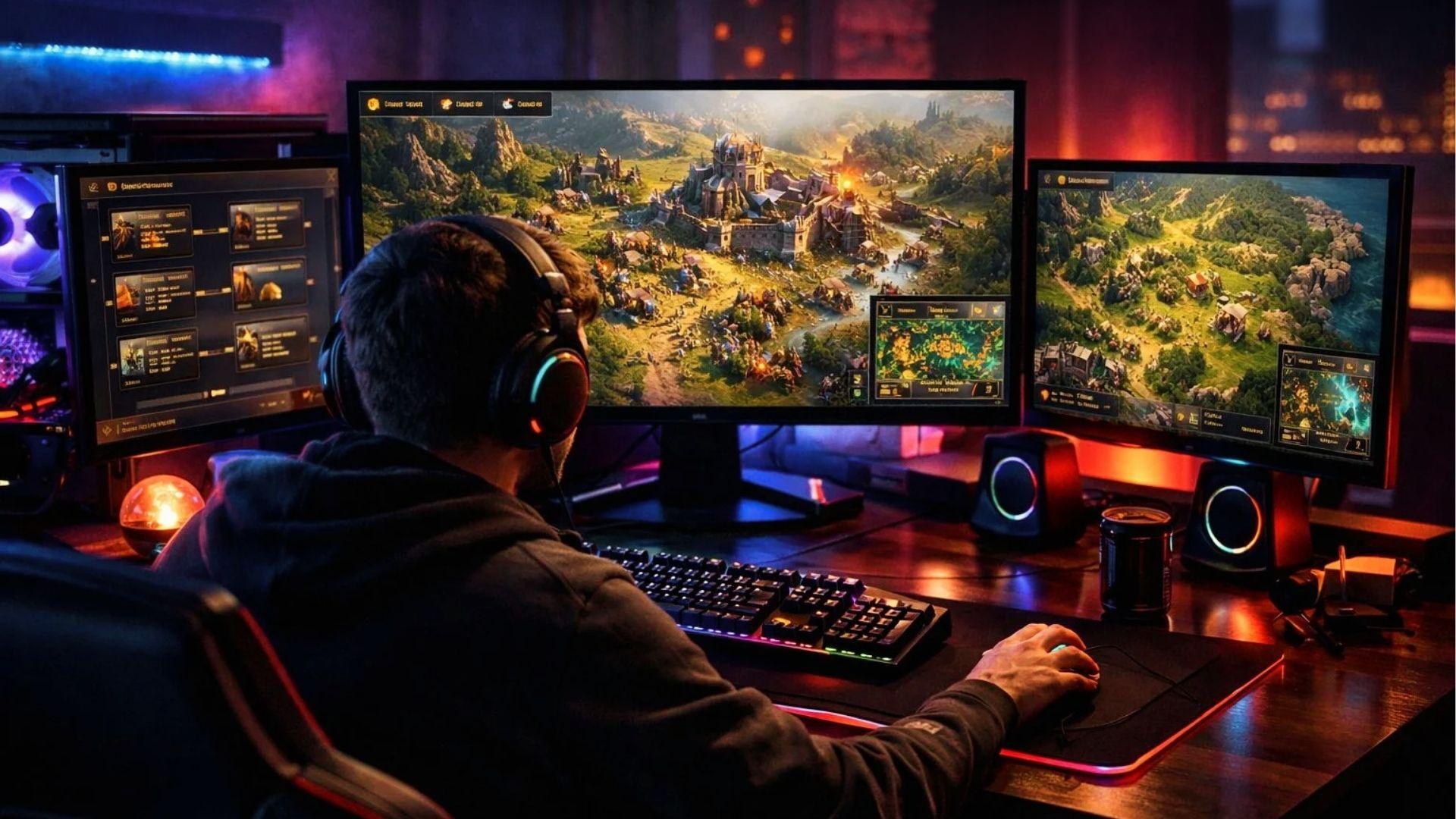
Fast-paced action games raise your heart rate, sharpen focus, and trigger adrenaline. This is part of what makes them exciting, but it also puts the body in a heightened state.
In a high-arousal state, emotional reactions tend to be stronger and faster. Small frustrations feel bigger. Patience runs thinner. Decision-making can shift.
This isn't unique to video games. Competitive sports and action films produce similar responses. The key factor is how a person winds down after that arousal spike.
Players with strong emotional regulation handle this well. Those who already struggle with impulse control may find high-arousal sessions harder to shake off.
5. Misinterpretation of Fantasy vs Reality

Young children are still developing the ability to clearly separate fictional scenarios from real-world expectations. A child playing a game where shooting has no consequences may not yet understand why that logic doesn't apply outside the screen.
This is a developmental concern, not a universal risk. Most teenagers and adults have no trouble understanding that game logic and real life operate very differently.
Age-appropriate content matters most here. A five-year-old playing graphic combat content is a very different situation from a teenager doing the same.
Parental involvement in what younger children play, and how they talk about it, makes a significant difference in how that content is processed.
6. Social Isolation Factors
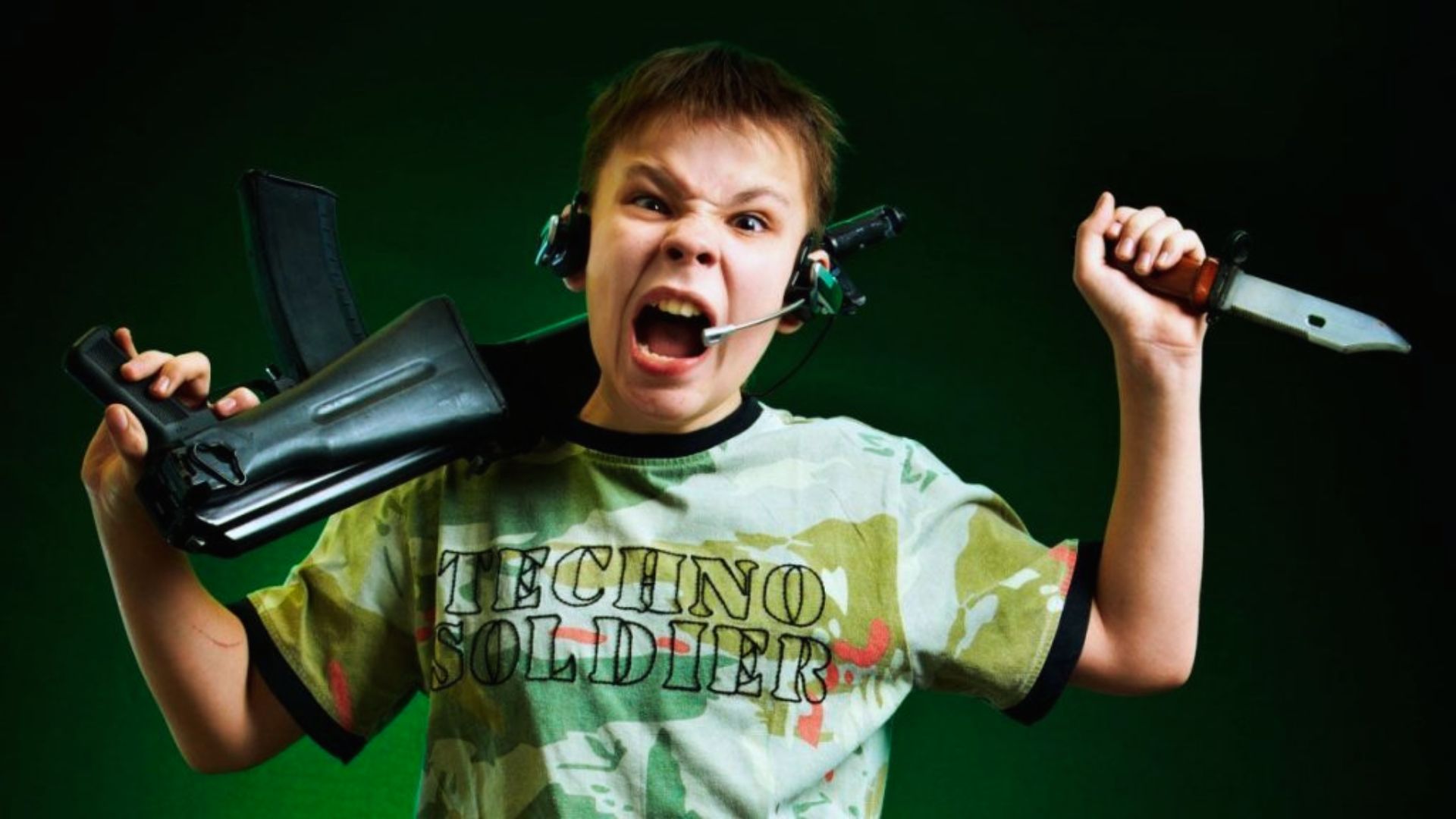
Spending long hours gaming alone can reduce the time a person spends building real-world social skills. Social interaction is a skill that needs regular practice.
When gaming consistently replaces socializing over a long period, some individuals may find it harder to manage conflict or regulate emotions in group settings. These factors can affect behavior.
It's worth noting that online gaming is social in its own way. Many players build real friendships through gaming platforms.
The concern applies more specifically to isolated, solo gaming that cuts a person off from face-to-face relationships over time.
7. Frustration and Competitive Pressure

Gaming can be intensely competitive. Losing repeatedly, getting outplayed, or failing to reach a goal creates real frustration. That's a completely normal human response.
In players who already struggle with anger management, this frustration can build quickly and spill into irritable behavior. This is sometimes called gaming rage.
The frustration isn't caused by violent content. It's caused by competition and perceived failure. The same response shows up in chess players and athletes after a tough loss.
Managing frustration is a life skill, and gaming actually gives players regular opportunities to practice it with the right mindset.
8. Influence of Peer Gaming Culture

Online multiplayer games come with active communities, and not all of them are healthy spaces. Aggressive language and hostile behavior are common in many competitive online environments.
When players are regularly exposed to this kind of communication, it can start to feel normal. What once seemed harsh can gradually begin to feel like standard interaction.
This is less about the game itself and more about the community surrounding it. Toxic online culture is a real issue across gaming platforms.
Choosing communities carefully, muting hostile players, and taking breaks from toxic spaces are all practical ways to reduce this influence.
9. Pre-Existing Behavioral Issues
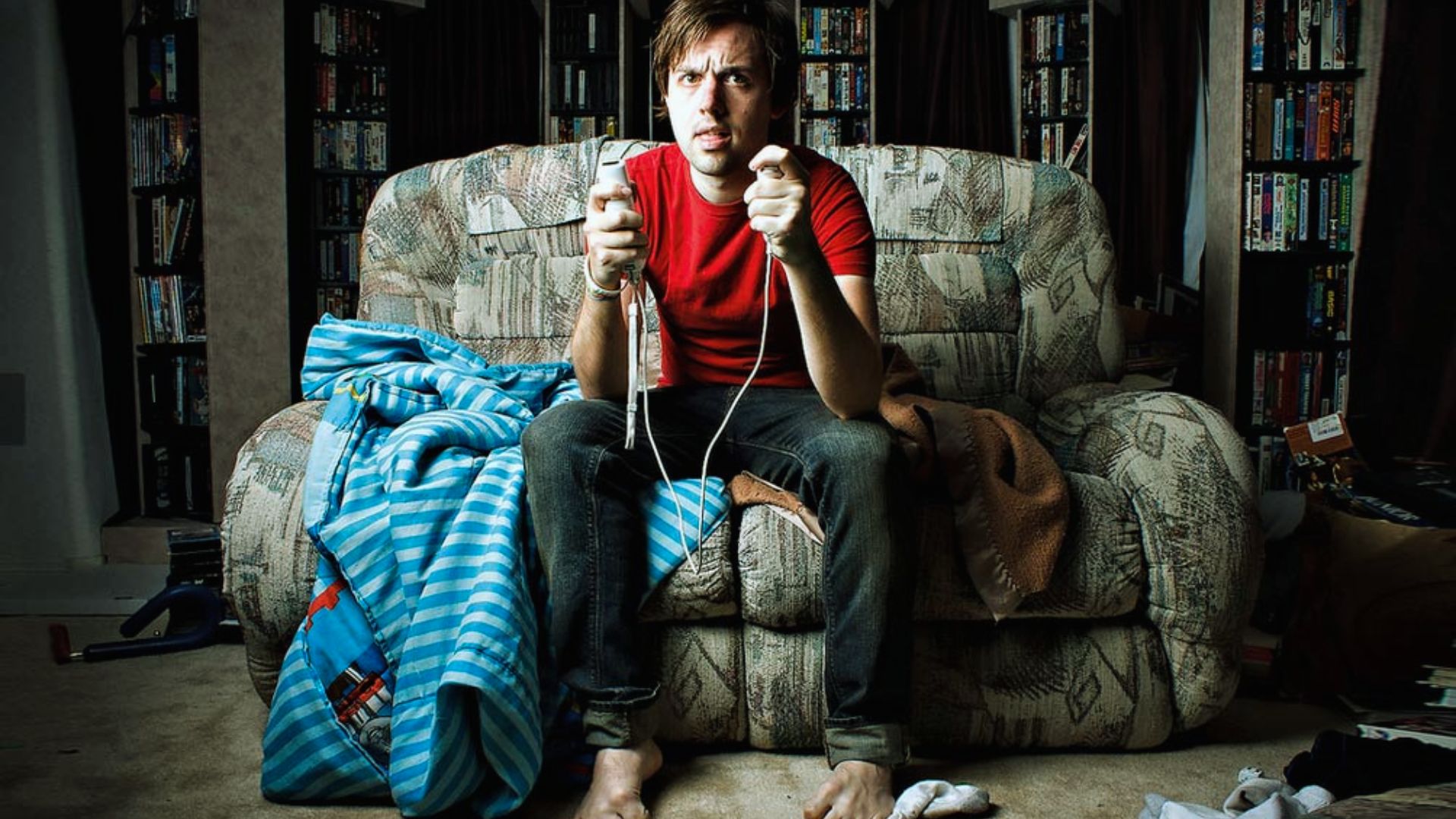
and blankets. He wears a red shirt and jeans, conveying focus and urgency."
People don't come to gaming as blank slates. Someone with pre-existing aggression issues, trauma, or mental health challenges may respond to violent content very differently than someone without those factors.
Research consistently shows that pre-existing conditions are a much stronger predictor of violent behavior than media consumption. Games don't create aggression in people who don't already have underlying risk factors.
For most players, even frequent exposure to violent games has no measurable effect on real-world behavior. For a small group with significant pre-existing issues, the interaction may be more complex.
Context, mental health, and personal history all matter enormously here.
10. Media Amplification and Bias

Every time a violent incident makes headlines, journalists search for explanations. Video games are frequently mentioned even when no direct evidence links them to the event.
This pattern of coverage has shaped public perception significantly. When people hear the same connection repeated enough times, it starts to feel like established fact even without supporting evidence.
This is known as moral panic, a term used when media and public discourse react to a perceived threat far out of proportion to what evidence shows.
History puts this in perspective. The same fears were raised about television in the 1950s, comic books in the 1960s, and rock music in the 1980s. The predicted wave of violence never came.
Media Influence vs Real-World Behavior
The way media covers gaming and violence shapes public belief far more than the science does.
Here's a clear comparison of how those narratives differ from what research actually shows.
| Media Narrative | What Research Shows |
| Video games are a primary cause of violence | No proven causal link exists between games and real-world violence |
| Violent games produce violent people | Most players show no increase in violent behavior |
| Gaming incidents are rising due to video games | Youth violence rates have declined as gaming has grown |
| Headlines link shootings to gaming without evidence | Mental health and environment are far stronger predictors |
| Public assumes correlation equals causation | Scientists consistently caution against this conclusion |
| Moral panic response feels new | Same pattern seen with TV, comics, and music in prior decades |
Compelling narratives and accurate science are two very different things. Knowing which one you're reading makes all the difference.
How to Play Video Games Responsibly
Gaming isn't the problem. How, when, and how much you play is what actually matters. A few smart habits make the whole experience healthier and more balanced.
Here's what responsible gaming looks like in practice:
- Set time limits before you start: Decide how long you'll play before sitting down so sessions don't run longer than planned.
- Choose age-appropriate games: Use rating systems like ESRB or PEGI to match content to the maturity level of the player.
- Balance gaming with physical activity: Build movement into your day. A short walk or workout between sessions keeps your body and mood in better shape.
- Stay connected socially: Gaming works best as one part of a full social life, not a replacement for face-to-face time with friends and family.
- Use parental control tools: Most platforms offer built-in tools to manage screen time, filter content, and monitor online interactions for younger players.
- Take breaks during long sessions: Step away every hour or so to reduce eye strain and reset your emotional state.
Gaming responsibly isn't about playing less. It's about playing smart. Small habit changes make a real difference in how gaming affects your daily life.
Common Myths About Video Games and Violence
A lot of what people believe about gaming and violence comes from headlines rather than research. Here's what the facts actually say.
- Myth: All violent games make people violent. The vast majority of players, including those who play highly violent games regularly, show no increase in real-world violent behavior.
- Myth: Gaming directly causes crime. Countries with the highest gaming rates often have some of the lowest violent crime rates in the world.
- Myth: There are no benefits to gaming. Research shows gaming can improve problem-solving, hand-eye coordination, teamwork, and certain cognitive functions depending on the game type.
- Myth: If a violent person plays games, gaming caused the violence. This confuses correlation with causation. Pre-existing issues are a far stronger factor than game exposure.
- Myth: Children can't handle any exposure to gaming violence. Age-appropriate exposure with parental guidance and open conversation is manageable. Context matters more than total avoidance.
Gaming has real potential benefits and some real risks. Understanding both honestly is far more useful than fear or blanket dismissal.
Conclusion
Most people have a strong opinion about 10 reasons why video games cause violence before they ever read a single study.
Now you've done something most haven't. You've actually looked at the evidence.
That puts you in a better position to have this conversation with parents, educators, and anyone still running on headlines alone. So don't keep this to yourself.
Share it with someone who needs a more grounded take on the debate.
And tell me in the comments, did this change how you see the issue? I read every response.
Frequently Asked Questions
Do Video Games Actually Cause Violence?
No direct causal link between video games and real-world violence has been proven by research. Some studies show a correlation with short-term aggression, but that is not the same as causing violent behavior.
Why Are Video Games Blamed for Violent Behavior?
Media coverage frequently connects violent incidents to gaming even when evidence for the link is weak or absent. This repeated association shapes public perception regardless of what the science actually says.
Can Violent Games Increase Aggression Temporarily?
Some studies show a short-term increase in aggressive thoughts immediately after playing violent games. These effects fade quickly and have not been shown to lead to actual violent behavior.
Are Children More Affected by Violent Games?
Younger children are more developmentally sensitive to violent content due to their still-developing ability to separate fantasy from reality. Parental supervision, age-appropriate selection, and open conversation significantly reduce potential negative effects.
What Is the Safest Way to Play Video Games?
Moderation, age-appropriate content, regular breaks, and a balanced lifestyle that includes physical activity and real-world social connection keep gaming healthy. Parental controls and open dialogue add an important layer of guidance for younger players.