
Ask most people what they remember about the GameCube, and you'll get the same three answers pretty much every time: Zelda, Mario, and Smash Bros.
And look, I'm not mad about that, because those games earned their spot. But the console had a lot more going on than its biggest hits.
It had a small library compared to other systems of its time, and even so, plenty of solid games still slipped through the cracks. Some got buried by bad cover art.
Others launched at the wrong time, right as bigger games grabbed all the attention. A few needed extra hardware that most players never owned.
None of that means these games were bad, you know? It just means most people never gave them a fair shot. So this list looks at the ones worth going back for. Some you'll recognize. Most, probably not.
What Makes a GameCube Game "Underrated" Anyway?
Before I start naming games, let's clear one thing up. "Underrated" doesn't mean rare or hard to find. It means the game was good, sometimes really good, but hardly anybody bought it or talked about it.
And the GameCube made that kind of thing easy to happen. It only had around 600 games total. The PS2 had over 4,000. So you'd think a smaller library would mean every game got noticed, right?
Nope. A lot of solid games still slipped by, and here's why:
- Not as many people owned one: Fewer people had a GameCube than a PS2, so even a game with good reviews had a smaller group of buyers to reach.
- The cover art scared people off: Some of these games looked childish or generic sitting on the shelf, even when the gameplay inside was really strong.
- They launched against bigger names: A new game had to fight Mario Kart, Zelda, or Metroid Prime for the same shelf space and the same players.
- They needed extra hardware: A few games only worked the way they were meant to with a Game Boy Advance and a link cable, and most players just didn't have those.
- They came out too late: Some showed up right as the Wii was taking over, so hardly anyone was still buying GameCube games by then.
- The genre didn't match what people expected: A few tried something different from what GameCube owners were used to, like card battles in an RPG or pinball mixed with army strategy.
So this isn't just a pile of obscure games nobody's heard of. It's a mix of small cult favorites and bigger names that still didn't sell the way they should have.
Keep that in mind as you go. Some of these will ring a bell. Plenty won't, and honestly, that's kind of the point.
The GameCube Games That Never Got Their Fair Shot
Every game in this section had something real going for it. For some, it's a clever idea nobody else tried. For others, it's a battle system with more depth than people gave it credit for, or just a whole lot of charm.
For each one, you'll get a quick look at how it plays, why people passed on it back then, and the easiest way to get your hands on it today. Some are cheap and easy to find, and some cost a bit more, so I've pointed that out too.
1. Billy Hatcher and the Giant Egg
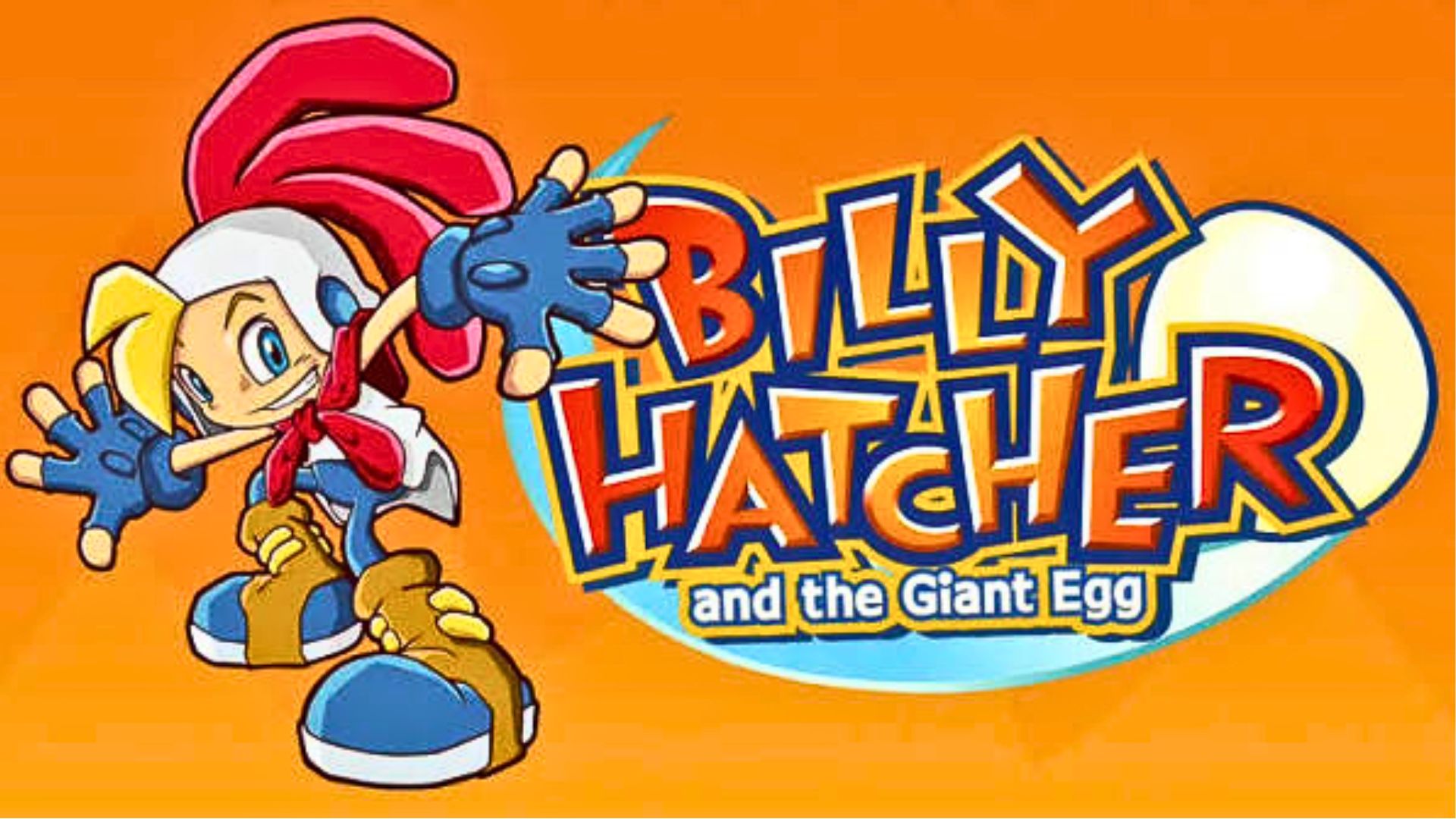
Sonic Team made this one, and yeah, you can tell. You play as Billy Hatcher, a boy who turns into a chicken and rolls giant eggs around each level.
Those eggs aren't just for show. Crack one open at the right moment and out comes a creature with its own special power, like extra speed or a stronger attack.
So you have to plan around that. Lose your egg halfway through a level and you're stuck hunting for another one before you can really fight back.
It came out in 2003, right after Sega had gone third party and started putting Sonic games on Nintendo consoles. Billy Hatcher was different, though. It wasn't a port, and it wasn't Sonic. It was a brand new character nobody knew.
The cover art didn't help much either. It looked like a kids' game, all cute and colorful, and a lot of players walked right past it. That's a shame, because the reviews were fairly positive at launch. It just never found the right crowd.
It never got a sequel, and it never got ported anywhere else. These days, Billy only shows up as a cameo in a few Sega racing games.
Want to try it now? Copies are cheap and easy to find secondhand. It also runs cleanly on Dolphin, the GameCube emulator for PC, if you'd rather play it that way.
2. Chibi-Robo!
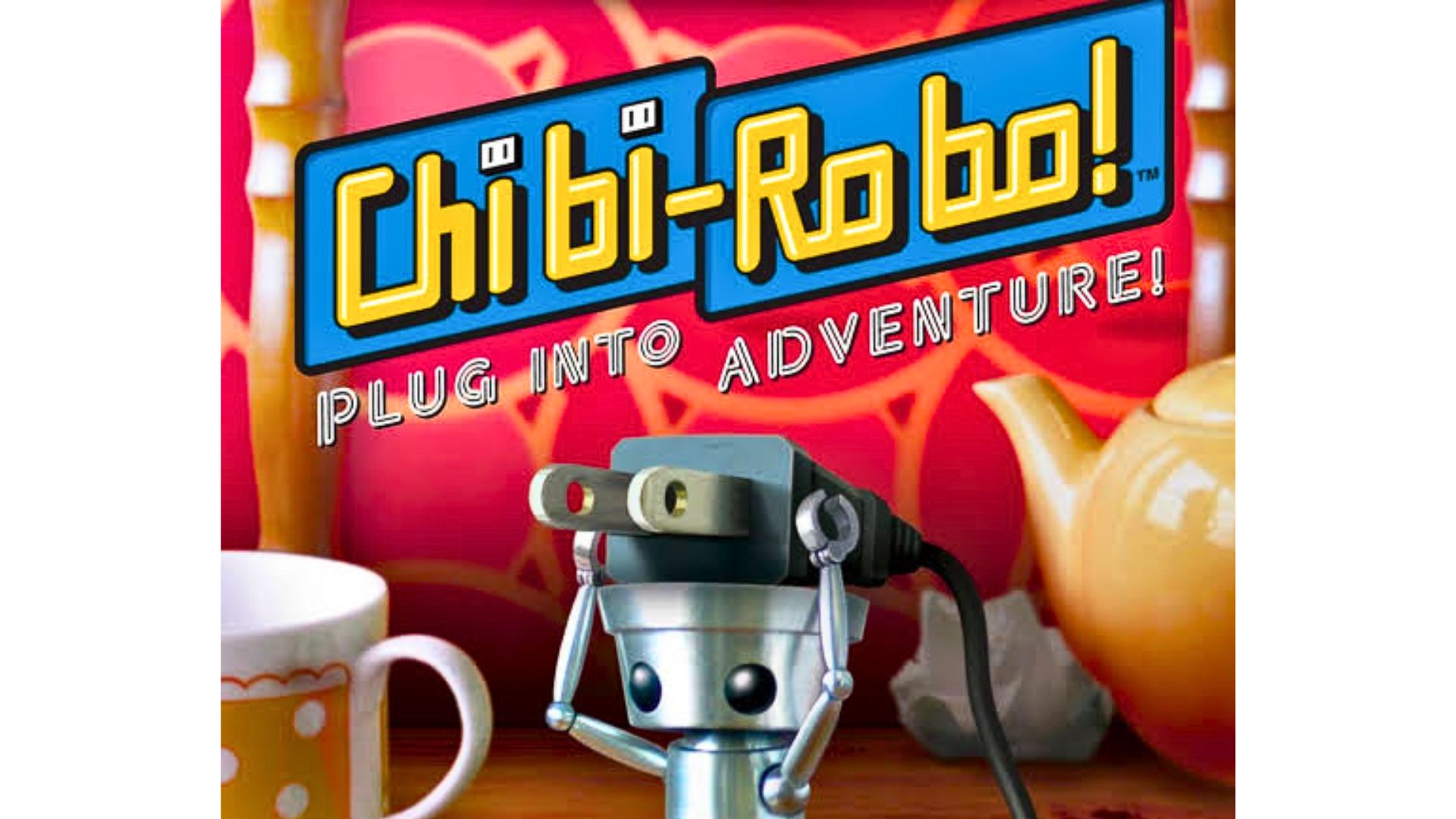
Here's the setup: you're a tiny robot who cleans up a messy house. That's the whole idea, and somehow it totally works.
Every level takes place in the same house, but your goals keep changing as you go. You pick up trash, help out the family that lives there, and deal with talking toys and the odd alien.
There's a catch, though. Everything you do drains your battery, even just walking around. If it runs out, you get sent back to your last checkpoint, so you have to plug in and recharge before it hits zero.
That balancing act is what makes the whole thing click. You're never just wandering around. You're keeping an eye on your power while trying to get stuff done.
Skip Ltd. released it in 2006, right as attention shifted to the Wii’s own breakout hits, and most players had already moved on from the GameCube by then, so a small, quiet game like this barely got noticed.
Which is too bad, because it's really charming. The story builds up slowly, the characters have real personality, and it never tries to be bigger than it is.
Original copies aren't cheap anymore, so for this one, Dolphin is the more realistic way to play without spending a lot.
3. Skies of Arcadia Legends
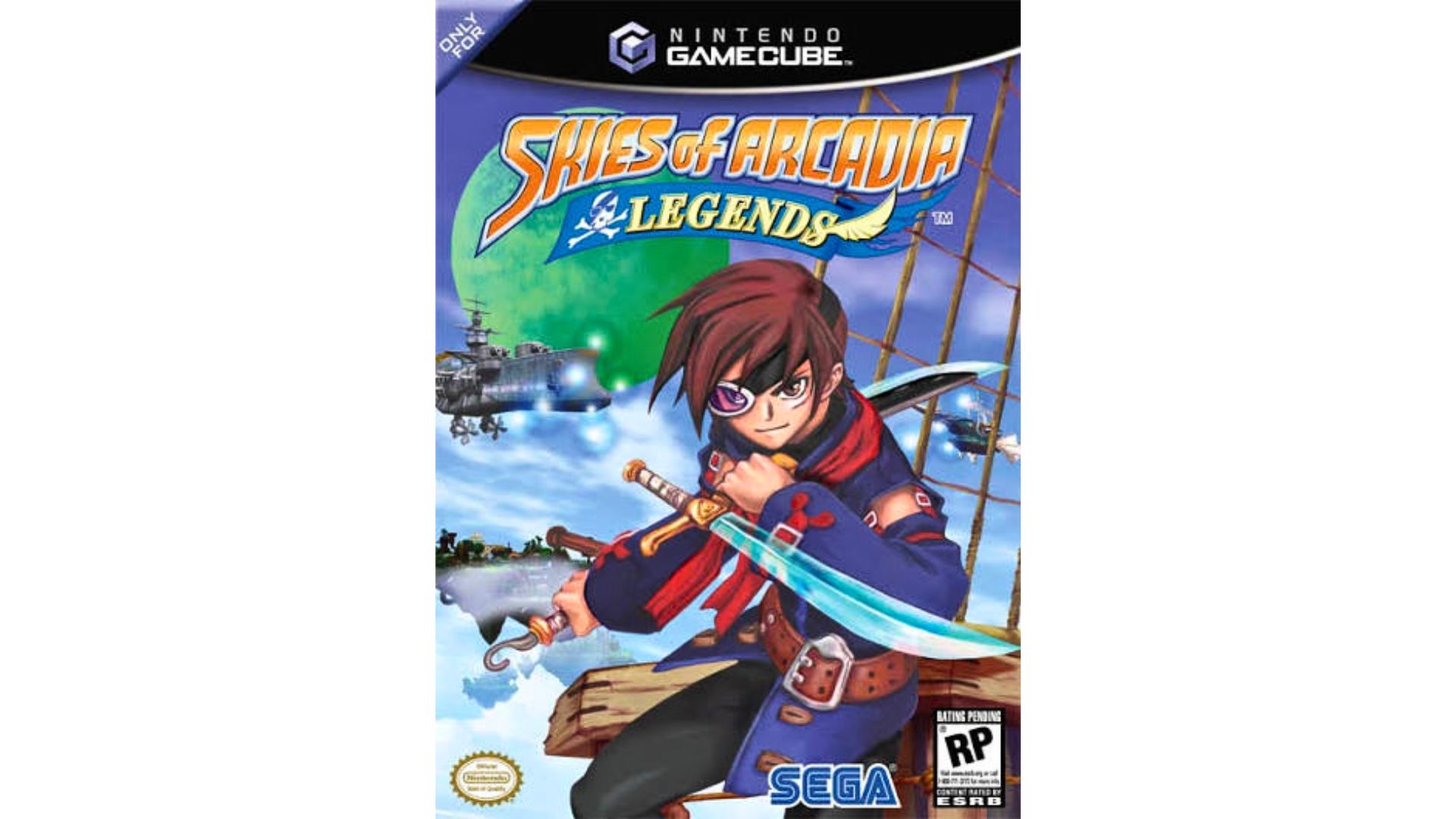
The GameCube didn't get a ton of RPGs, and this is one of the best ones it had. Overworks made it, and Sega published it.
You play as Vyse, a young pirate who flies through the skies with his friends Aika and Fina, chasing an ancient secret.
The airships are the big draw. You fly them across open skies, explore floating islands, and even take them into battle against enemy fleets. The core RPG stuff will feel familiar: you level up your party, fight enemies in turns, and pick up better gear as you go.
This game actually started out on the Dreamcast back in 2000. When Sega shut that console down, they ported a bunch of their best games over to the GameCube, and this was one of them.
And that's kind of the problem. GameCube owners weren't really buying RPGs at the time, and a port of an older game didn't give anybody a reason to rush out and grab it.
So a really strong RPG, on a console that badly needed one, still didn't sell well. That's about as underrated as it gets.
Copies cost more than most games here, so playing it through Dolphin is the more practical option today.
4. Battalion Wars
The Wars series was a big deal in Japan long before it made it to the West, and Advance Wars on the Game Boy Advance is what finally brought it to North America.
After that, fans wanted the same thing on a home console. So when Nintendo announced a GameCube entry, expectations were pretty high.
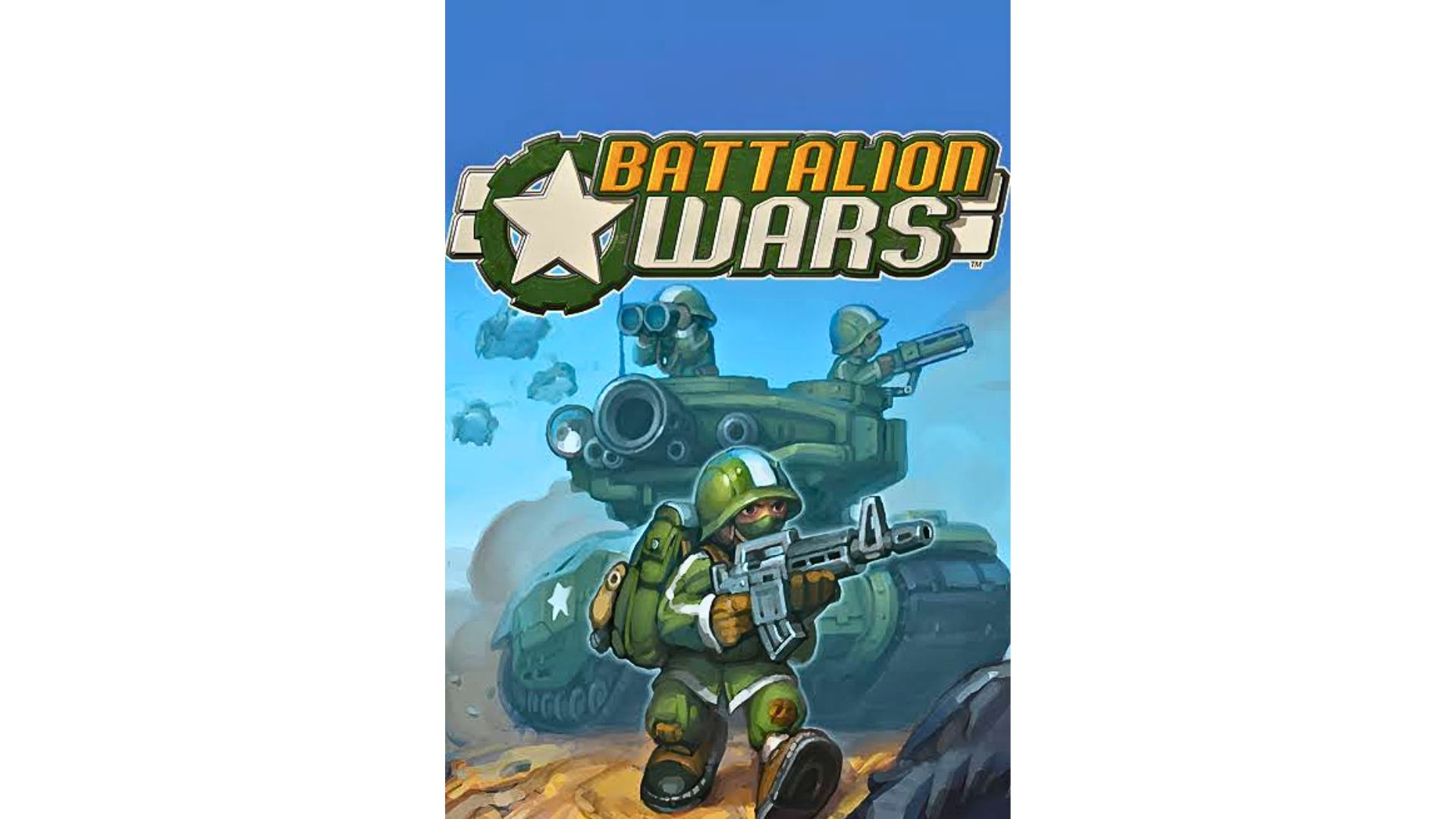
Battalion Wars didn't give people what they expected. Instead of a turn-based strategy, Kuju Entertainment built it around real-time, third-person action.
You're a battalion commander controlling ground troops, tanks, and aircraft. Two nations go to war after a surprise attack, and it's on you to lead the pushback.
At its heart, it's still a strategy game. You're juggling different unit types and picking the right one for each situation.
The trouble was the mismatch. Fans wanted Advance Wars in 3D, and they got something built on completely different rules.
That gap between what people wanted and what they got is really why this one got passed over. On its own terms, the game holds up fine.
It's one of the cheaper picks here secondhand, and it runs well on Dolphin if you'd rather emulate it.
5. Baten Kaitos: Eternal Wings and the Lost Ocean
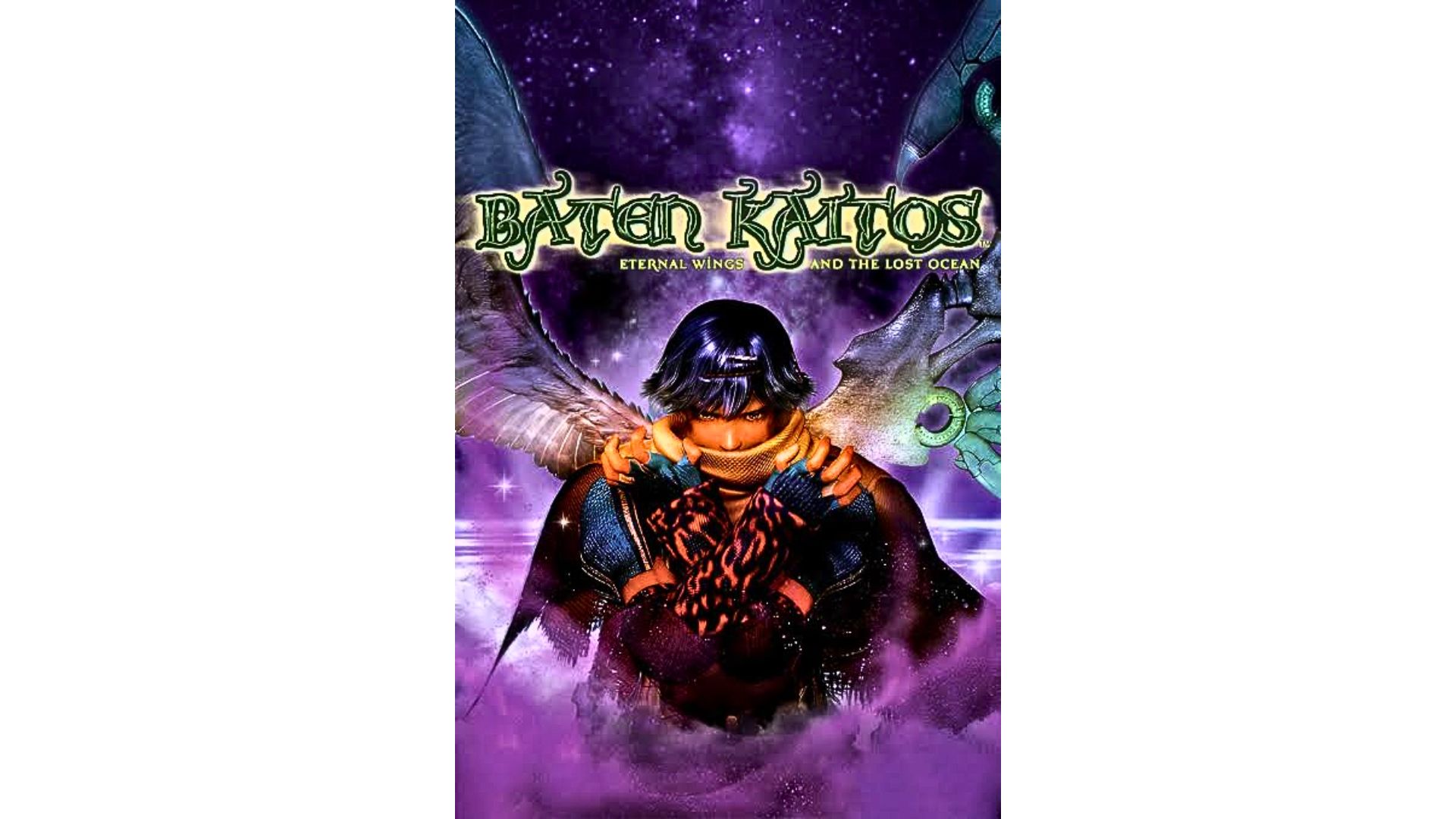
Namco and Monolith Soft made this one, and you can see the effort right away. The pre-rendered backgrounds, which are detailed scenes made ahead of time instead of drawn live by the console, still look great today.
From the screenshots, it looks like a normal turn-based RPG. It isn't.
Every move you make in battle comes from a card. You build a deck ahead of time, then draw and play cards to attack, defend, or use items. That's a big change from what most RPG fans expect, since there's no simple menu where you just pick "attack" and move on.
That mismatch hurt it at launch. Players who wanted a familiar RPG ran into a card game instead, and a lot of them bounced right off.
And that's really the whole story of why it got overlooked. People praised the visuals, but the battle system split opinions hard.
I will say, once you get used to it, the deck building adds real depth. You have to think ahead about which cards you'll actually have in your hand when you need them.
A prequel called Baten Kaitos Origins came out a few years later with a smoother version of the same system.
Original copies are expensive now, so Dolphin is the more realistic way to play it.
6. Odama
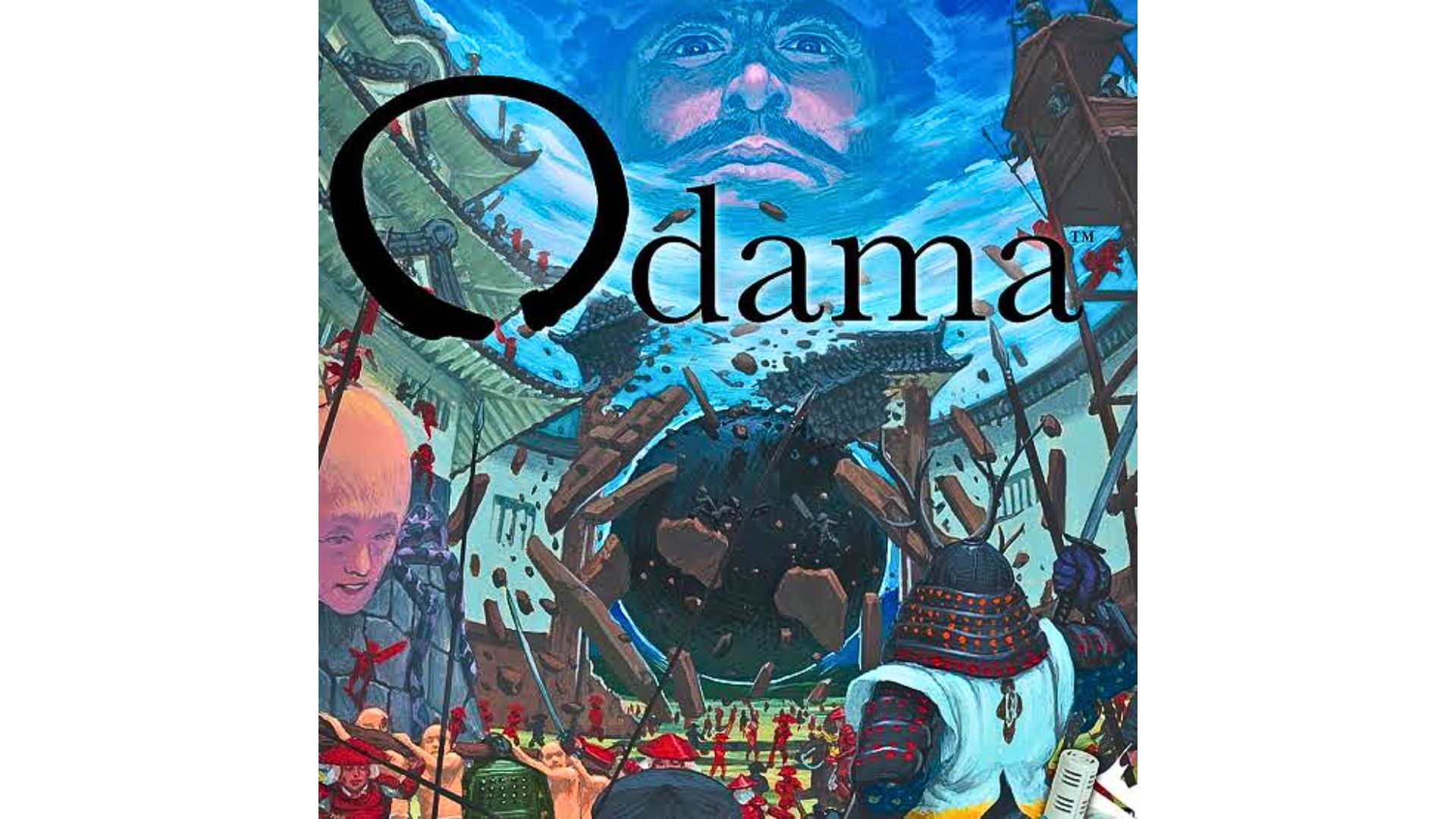
There's no easy way to explain Odama at first glance. It mixes pinball with real-time army command, and yeah, that sounds strange on paper.
Here's how it works. You launch a giant ball called Odama across the field and use flippers to keep it in play. At the same time, you're commanding an army down below, giving voice or button commands to send soldiers forward, pull them back, or defend your base.
Both of those things happen at once, on the same screen, and that's exactly why it's so hard to describe to someone who hasn't seen it.
The first time you play, it's honestly confusing. There's a lot going on, and it's not obvious what to focus on first. That confusion is why most people never make it past the first hour, because it asks a lot of you right away.
Stick with it, though, and the two halves start fitting together. Keeping the ball alive while managing your army turns into its own kind of satisfying.
It's cheap and easy to find secondhand, which makes it one of the easier physical copies to grab here.
7. Ikaruga
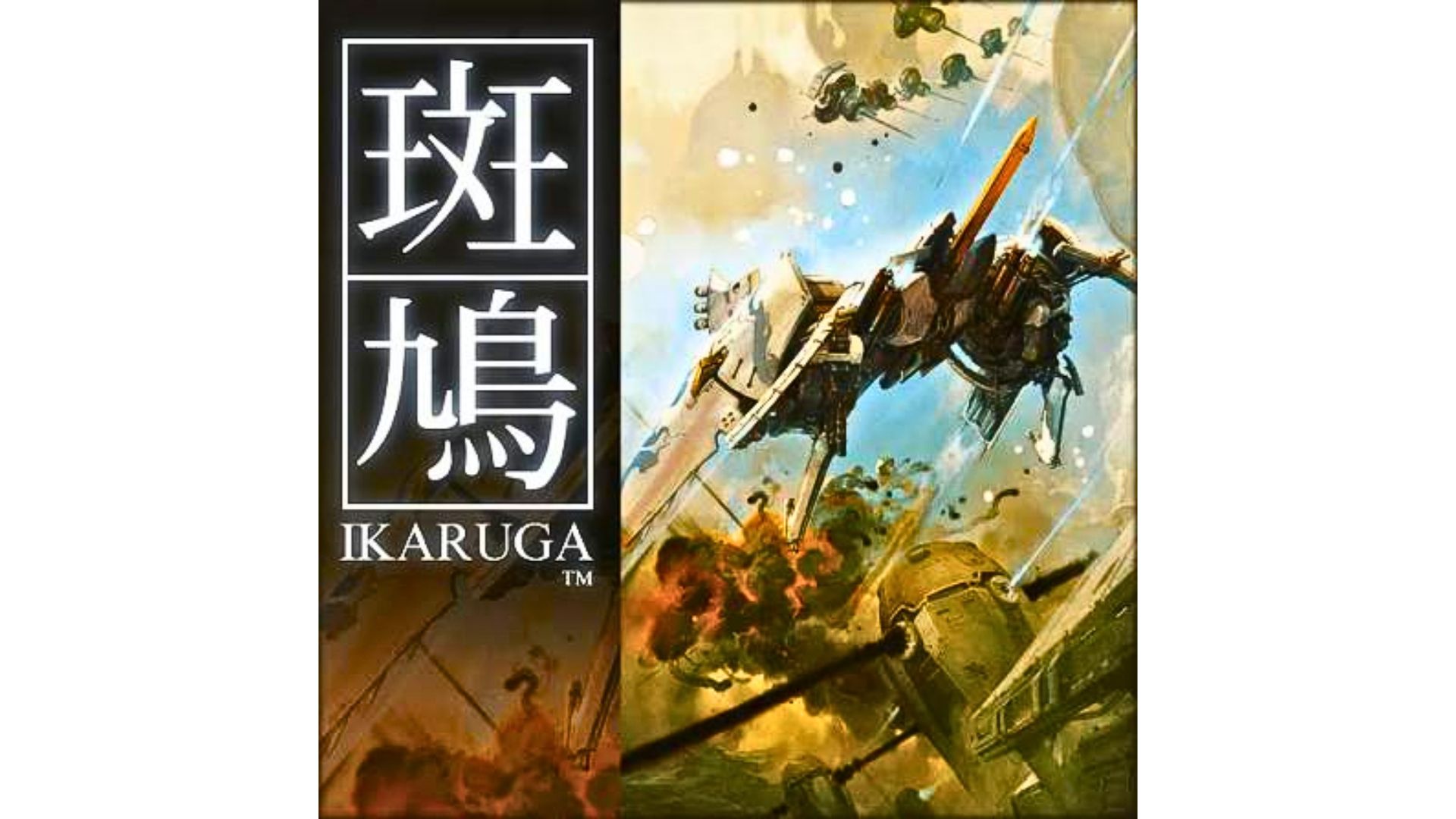
Treasure made this one, and if you know their earlier game Radiant Silvergun, you already know they take shoot 'em ups seriously.
Ikaruga started in Japanese arcades, then came to the Dreamcast, but only in Japan. The GameCube version was the first time players in the west could actually get their hands on it.
The big idea is polarity. Your ship can switch between light and dark whenever you want. In light mode, light colored bullets pass right through you, but dark bullets will kill you. Switch to dark mode, and it flips around completely.
You can also soak up bullets that match your color for extra energy, and that energy powers a strong special attack. So dodging isn't just about staying alive. It's part of how you hit back.
This takes real practice to get good at. Early on, it's easy to panic and switch colors at exactly the wrong moment.
By the time it reached the West, shoot 'em ups were already fading out of the mainstream, and that timing hurt its chances way more than the gameplay ever did.
It's been a genre favorite ever since, and it's stayed fairly affordable. It's also been ported to Xbox Live Arcade and Steam if you want other ways to play.
8. Gotcha Force
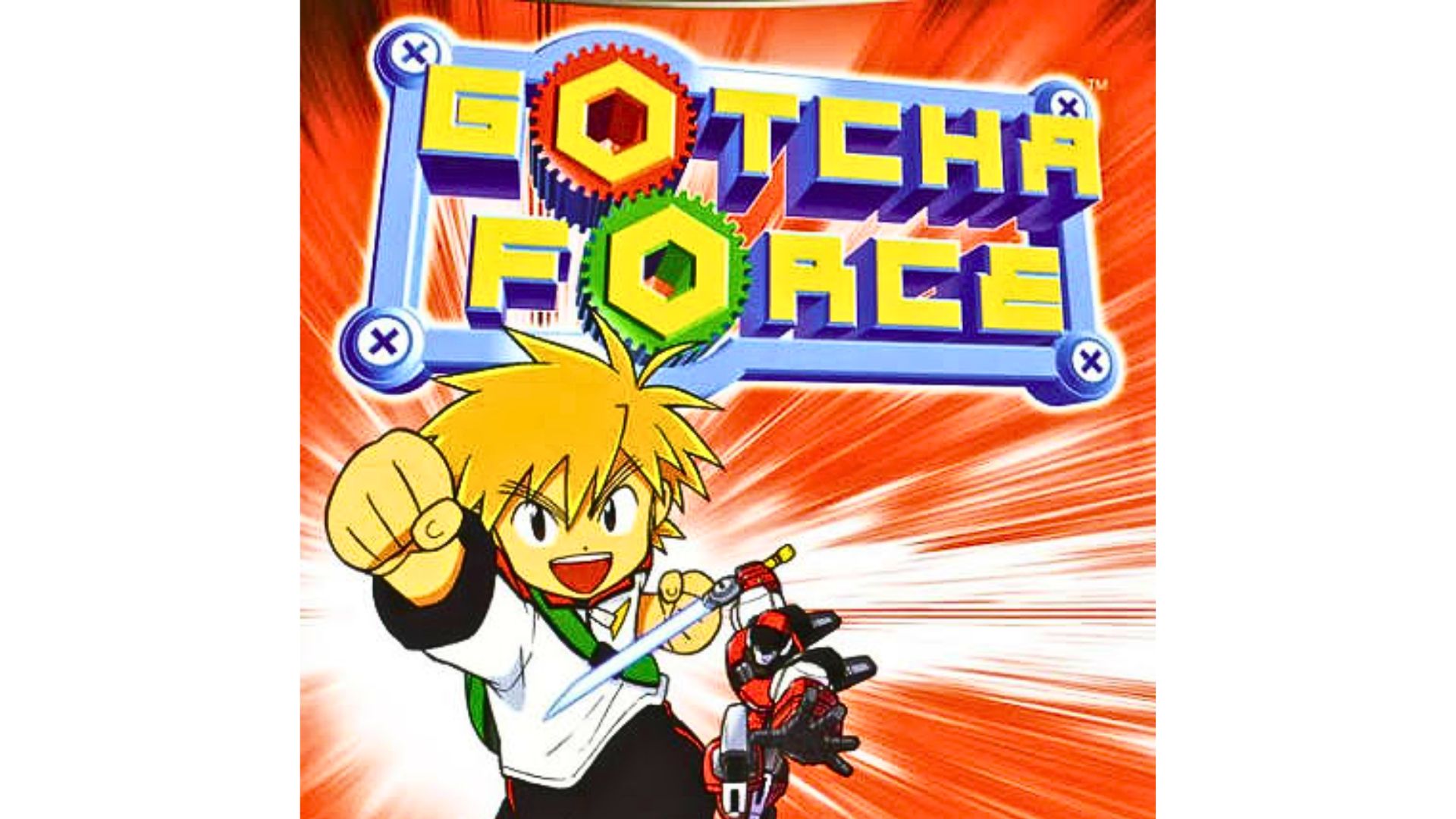
Pokemon was such a big hit that a lot of studios started chasing the same idea. Capcom's take was Gotcha Force, built around collecting and battling little gacha-style robot toys, the kind you'd get at random out of a capsule machine.
Instead of a top-down world, battles happen in full 3D arenas. Every robot has its own special attacks, and you use them to wear down the other side's health bar. The roster is huge too, with lots of robot types that each fight a different way.
By the time it came out, though, the market was already stuffed with collect-and-battle games copying Pokemon's formula. Gotcha Force needed something to stand out, and at launch it didn't have a strong enough hook.
It also took a while to click for a lot of players, reviewers included, since the first few hours don't really show off what it does well. Stick with it, and the combat opens up. Picking the right robot for the right fight becomes a real skill.
Prices have climbed over the years as it's built a cult following, so Dolphin is the more realistic option for most people now.
9. Custom Robo
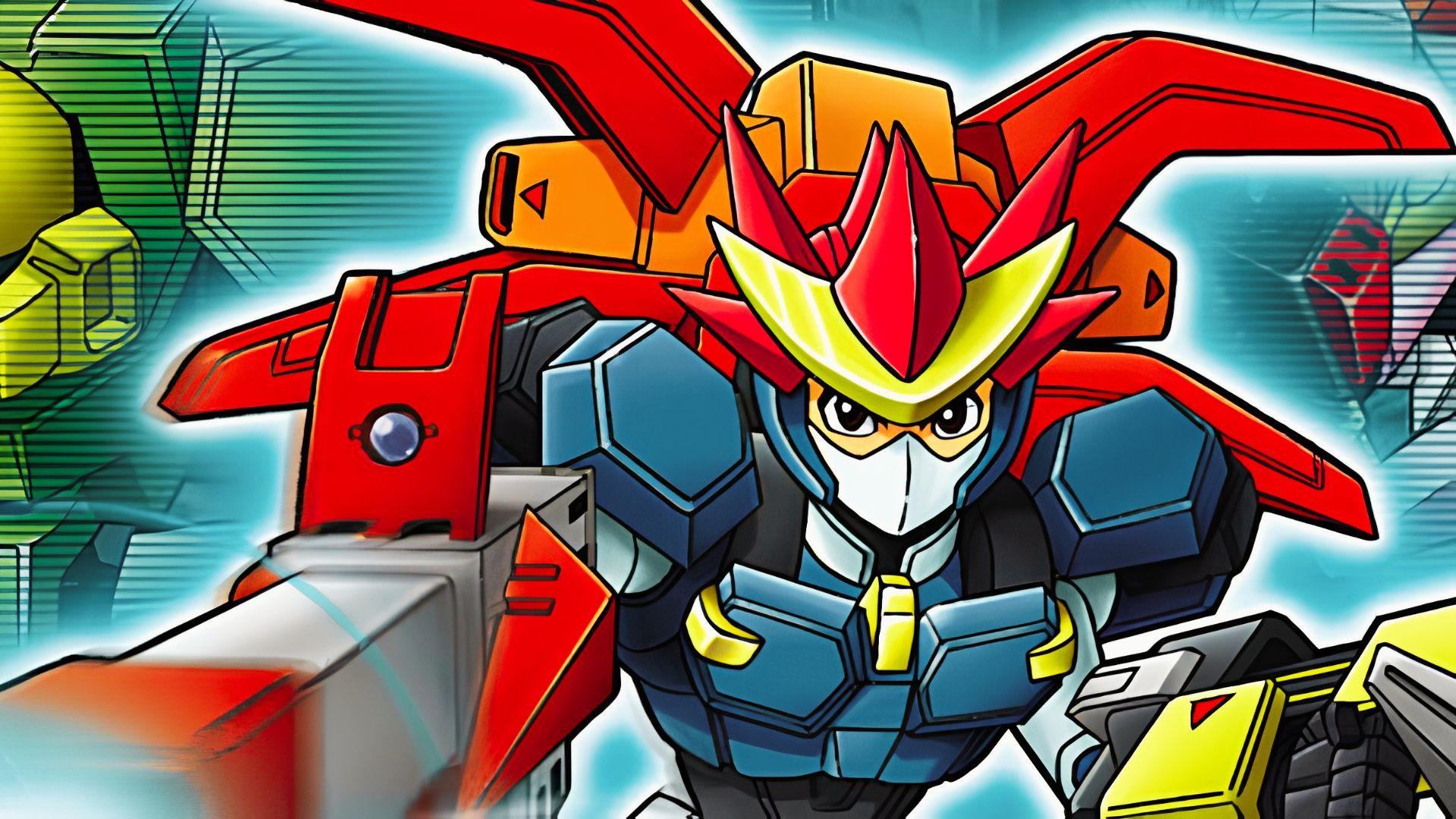
This series had been around in Japan for years before this GameCube entry finally made it west.
You build a fighting robot, which the game calls a Robo, by mixing parts together. Guns, bombs, pods, and legs all come as separate pieces you pick yourself. Once your Robo is ready, you take it into arena battles against other custom builds. Matches are quick, and they reward you for knowing your setup inside and out.
There's a story mode too, following a kid who gets caught up in a bigger conflict around these robot battles. It's not the main draw, but it gives the game some structure.
The problem was that nobody in the West knew the name. In Japan, the series already had several games behind it. Here, none of that history existed, so players had no reason to care about walking in.
That's a tough spot for any game, no matter how solid the combat is. Custom Robo just showed up without an audience waiting for it.
Secondhand copies go for a fair price today, and it runs well on Dolphin if you'd rather skip hunting down a disc.
10. Lost Kingdoms
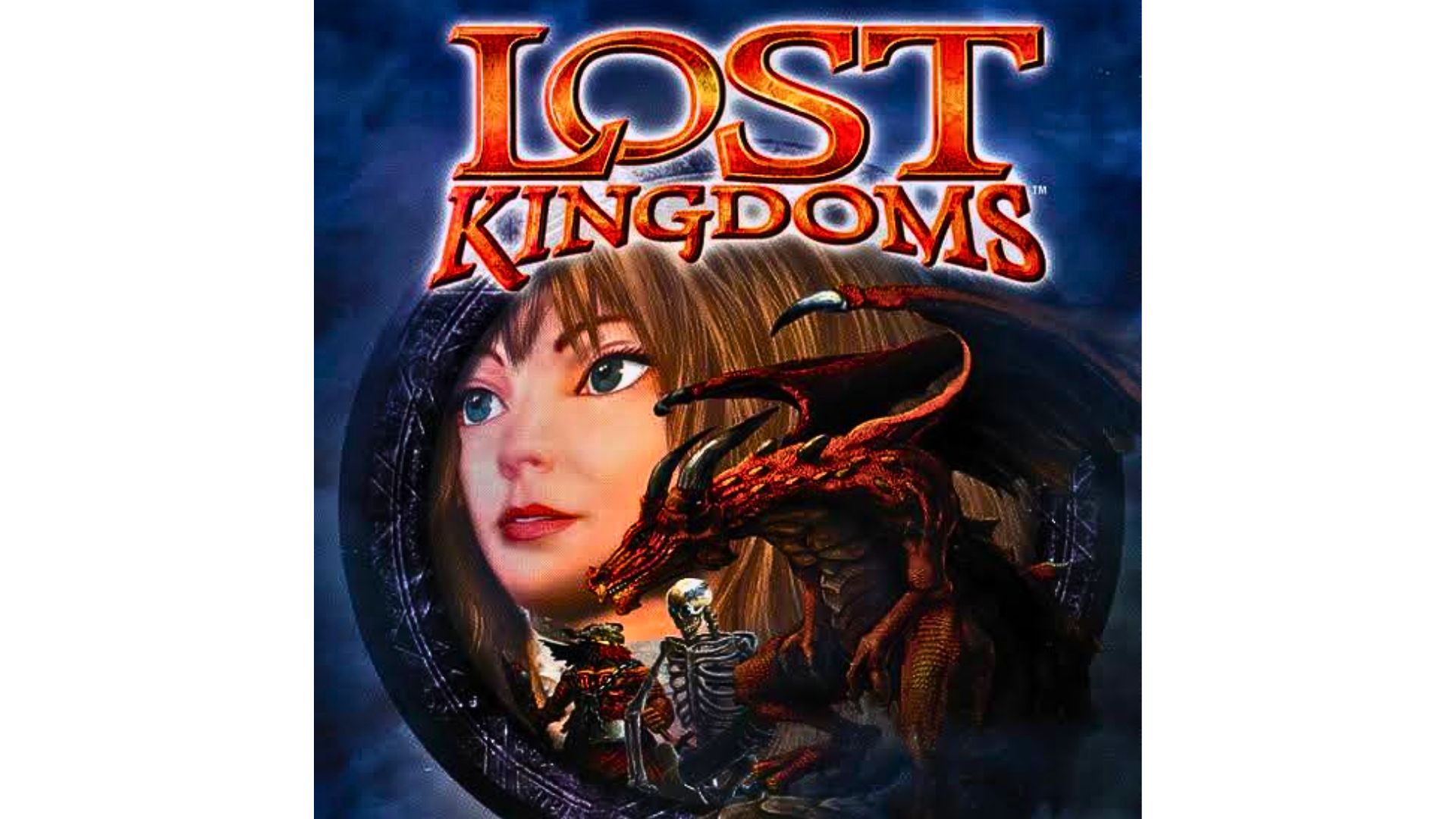
FromSoftware is known for very different games today, but back in 2002 they made this card-based action RPG for the GameCube.
You play as Katarina, a girl who can capture monsters inside cards, and those cards become your weapons. While you explore and fight, you summon monsters straight from your deck to battle for you. Every card works differently, so your deck really decides how you play.
It's less about mashing buttons and more about which cards you bring into a fight. Build the wrong deck for a situation, and you'll feel it fast.
It came out early in the GameCube's life, right when Nintendo was pushing bigger games with much larger marketing budgets. A quieter RPG like this barely stood a chance in that window, and it never got the attention it needed to find its players.
A sequel, Lost Kingdoms II, came out a year later with some real improvements.
Both games are pretty easy to find secondhand, and neither one will cost you much if you want to try the original.
11. Crazy Taxi
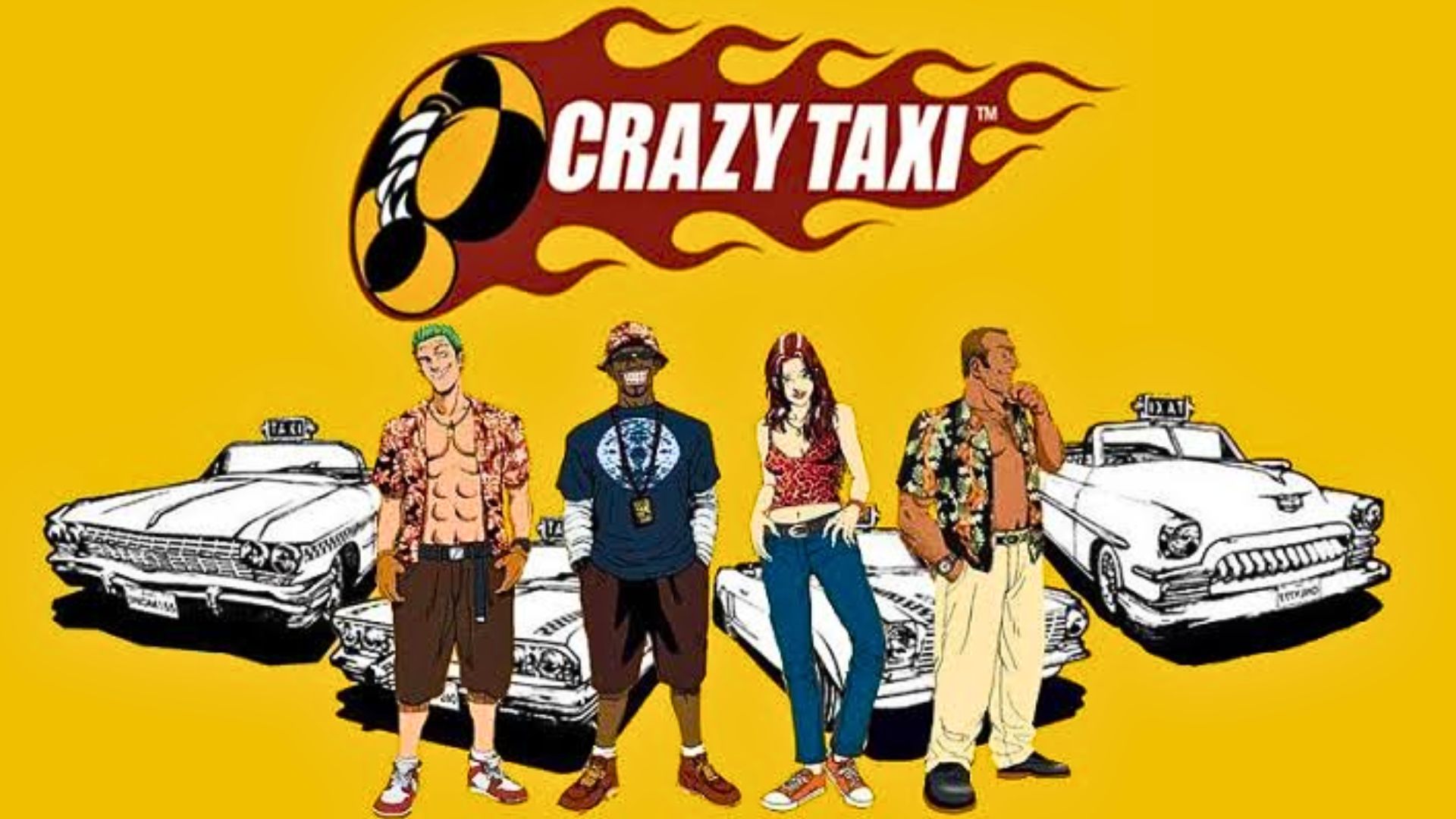
Most people know Crazy Taxi from the Dreamcast or the arcades. Fewer remember that it came to the GameCube too.
The idea is simple. You drive a cab around an open city, picking up passengers and racing to drop them off before the clock runs out. Big jumps, tight turns, and reckless shortcuts earn you extra time and cash, so the faster and wilder you drive, the better your score.
The soundtrack helped make it stick, with real punk songs from bands like Bad Religion and The Offspring playing while you drive.
None of that changed on the GameCube. It's the same solid game, just on a different console.
And that's exactly why it counts as underrated here. Ask most players where they played Crazy Taxi, and hardly anybody says GameCube. People connect it to the Dreamcast and the Xbox instead, even though the GameCube version plays just as well.
Copies are cheap and everywhere, so it's one of the easiest games here to just go grab.
12. Final Fantasy Crystal Chronicles
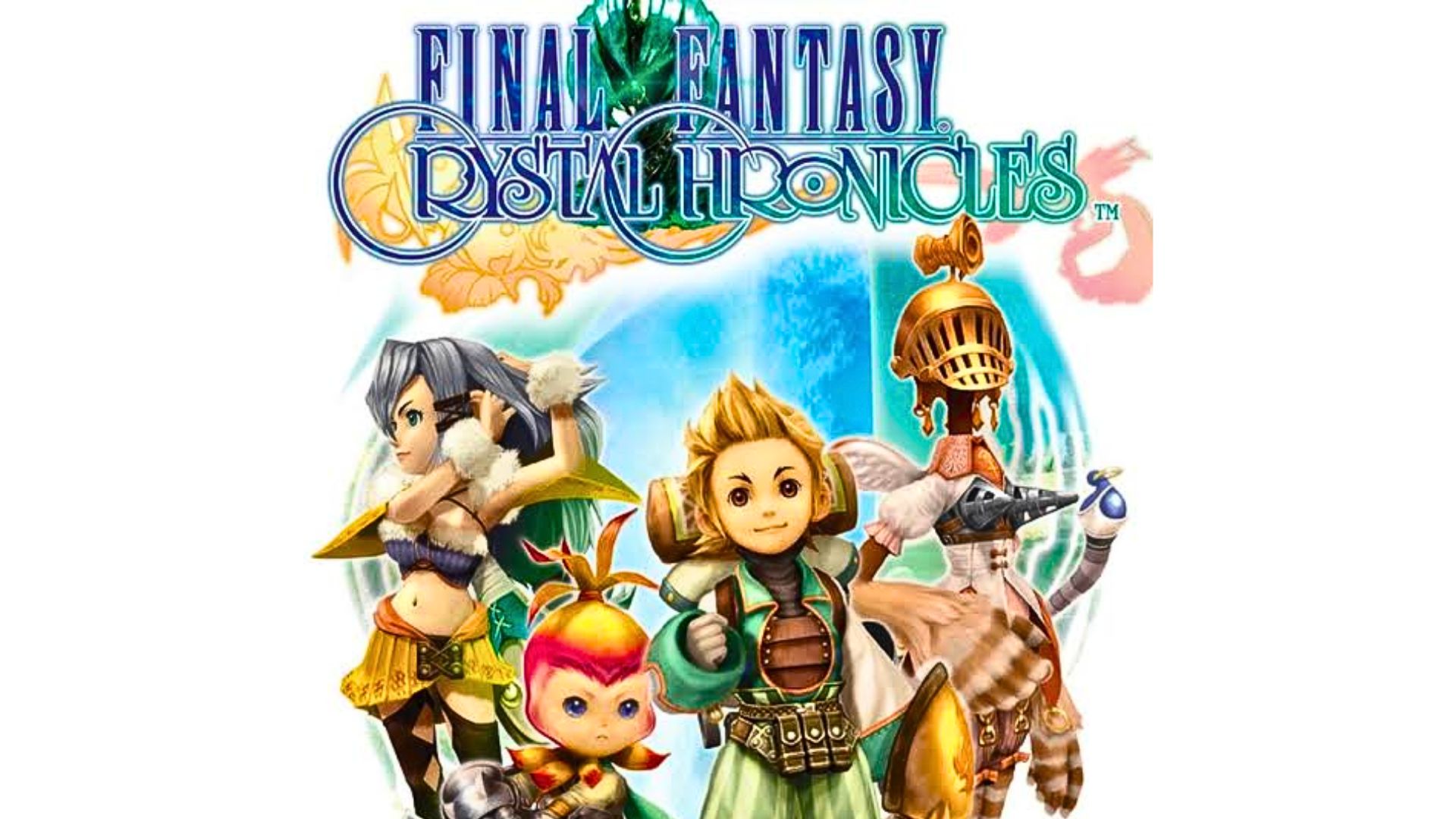
This one needed a Game Boy Advance for every single player in your group, and that one requirement shaped everything about how it played.
You and your friends guide a caravan carrying fuel for a magic crystal. That crystal protects your town from poisonous air spreading across the world.
Each player uses a Game Boy Advance as their own personal screen, hooked up to the GameCube with a link cable. It shows your inventory and lets you do things without cluttering up the main TV. Together, you explore dungeons, solve puzzles, and fight off waves of enemies as a team.
It's a real change from the main Final Fantasy games, with less story and a lot more focus on playing together.
That link cable setup was the real wall. Most groups of friends didn't all own a Game Boy Advance, let alone four of them plus the cables. Without that hardware, you couldn't even start a proper multiplayer game, and that alone kept a lot of players away.
Complete copies with all the original cables cost more today. Emulating it gets around the hardware problem completely if you want to try it solo.
13. Viewtiful Joe
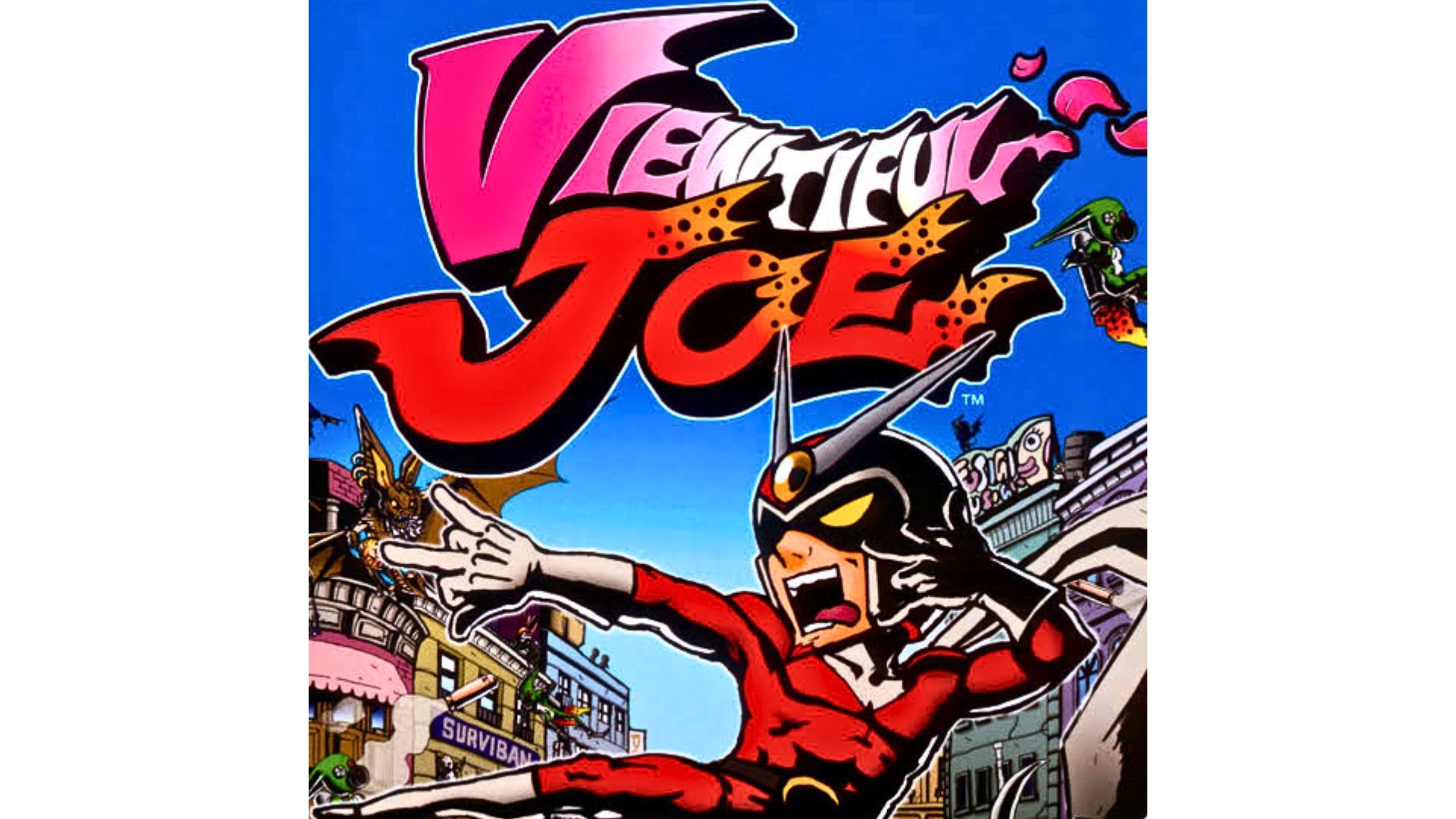
By the time this came out, most action games had gone fully 3D. Viewtiful Joe went the other way and stayed 2D.
You play as Joe, a movie fan who gets pulled into his own action film after his girlfriend is kidnapped. He becomes a hero called Viewtiful Joe and fights his way through Movieland.
Combat happens on a flat, side-scrolling plane, but with a twist. You can slow time down, speed it up, or zoom in for stronger hits. Timing those powers is what separates a good run from a bad one. Slow things down at the right moment, and you can dodge attacks while landing your own.
A lot of players saw "2D" and figured the game was a step backward for the console, and that cost it plenty of attention at launch.
Me personally? I think that's a real shame, because the combat here is sharper than most 3D action games from the same time, and the reviews backed that up.
It was later ported to the PS2, which got it in front of more people than the original GameCube release ever reached.
Copies are affordable and easy to find, so it's simple to pick up if you want to see what everyone missed.
14. Super Mario Strikers
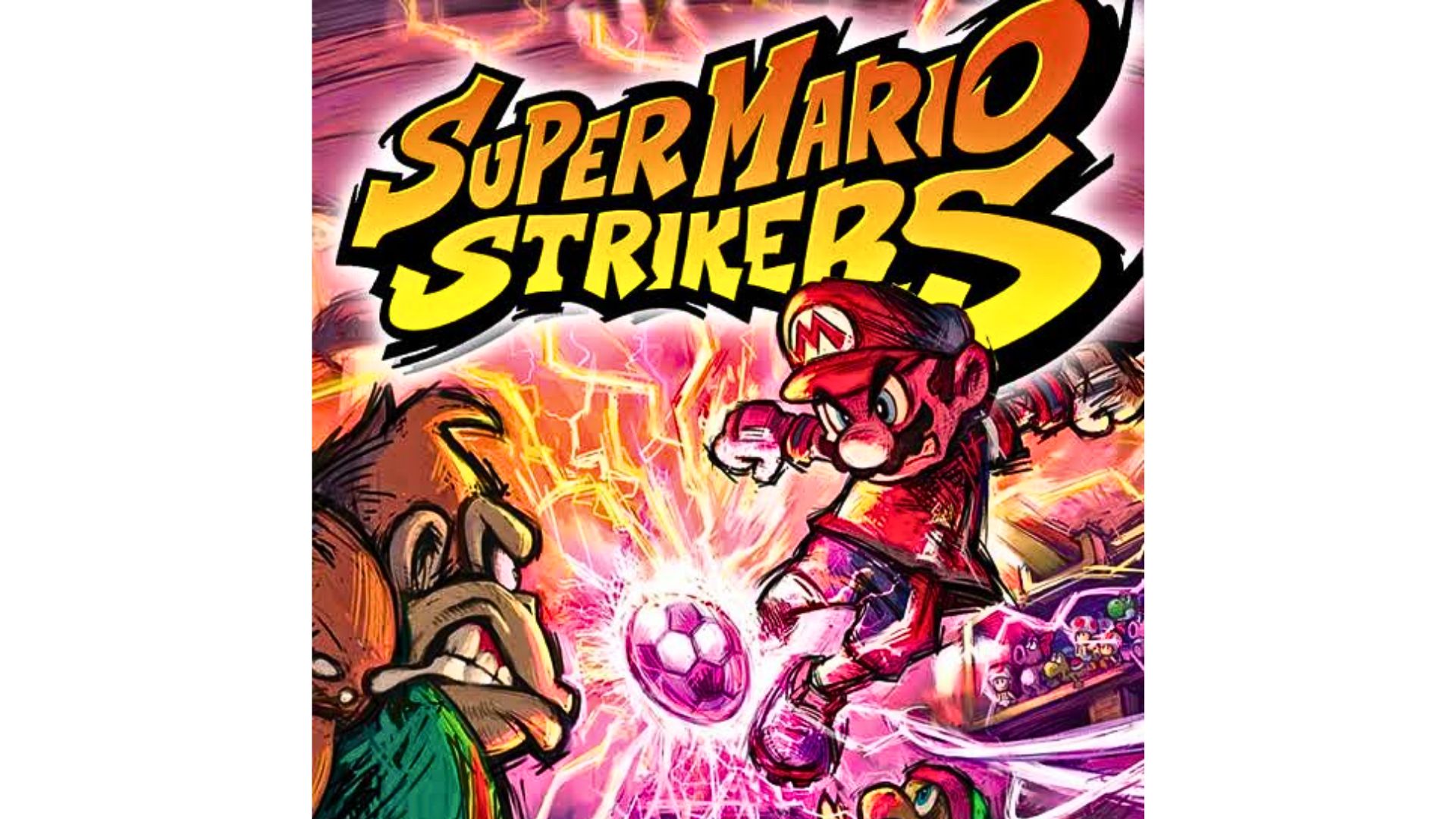
Next Level Games took Mario's usual crew and dropped them onto a soccer field. It's nothing like real soccer.
You build a team around a captain, like Mario or Bowser, and fill out the rest of the roster with smaller characters like Toads or basic enemies.
Matches reward playing rough. Big hits are legal, items pop up mid-match, and goals can pile up fast once you learn to use both well. It plays more like a fighting game with a ball than a regular sports game, and that's exactly what makes it fun.
Nintendo didn't push this one the way it pushed Mario Kart or Mario Party. Those series got big marketing budgets, and Strikers got a lot less. So plenty of players never even knew it existed, and it came and went pretty quietly for a first-party Mario game.
That's surprising, since the gameplay holds up well next to other sports games from that time.
It got a Wii sequel years later, Mario Strikers Charged, but the original still holds up fine on its own. Copies are cheap and easy to find.
15. Kirby's Air Ride
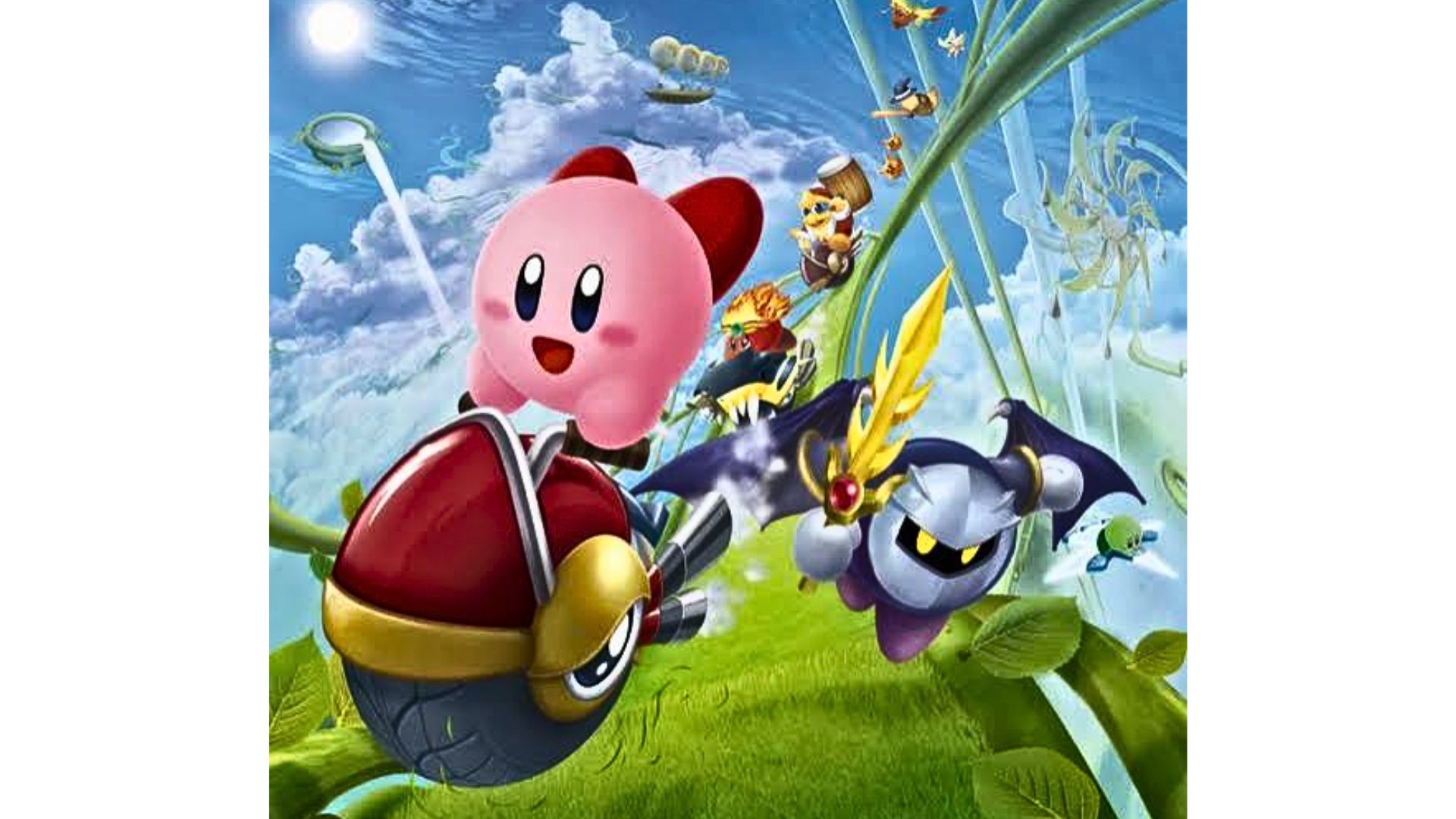
This one launched in a really tough spot, right alongside Mario Kart: Double Dash and F-Zero GX, two of the GameCube's biggest racing games.
Kirby's Air Ride went simpler on purpose. Your ride moves forward on its own, so you only steer and press one button for things like braking or sucking up enemies. That's the whole point. Anyone can pick it up and start racing in seconds, no matter how much experience they have.
The real depth is in City Trials. Two players explore an open city, grabbing upgrades to build up their ride, then face off in a final event to see who built the better one. Every run plays out differently depending on what you find and how you spend your time.
Sitting on the shelf next to Mario Kart and F-Zero made this one easy to miss, since both of those had bigger names and bigger expectations. Kirby's Air Ride never got the same spotlight, even though it offered something really different from either one.
Copies are cheap and all over the place, so it's one of the easiest games here to track down.
16. Phantasy Star Online Episode III: C.A.R.D. Revolution
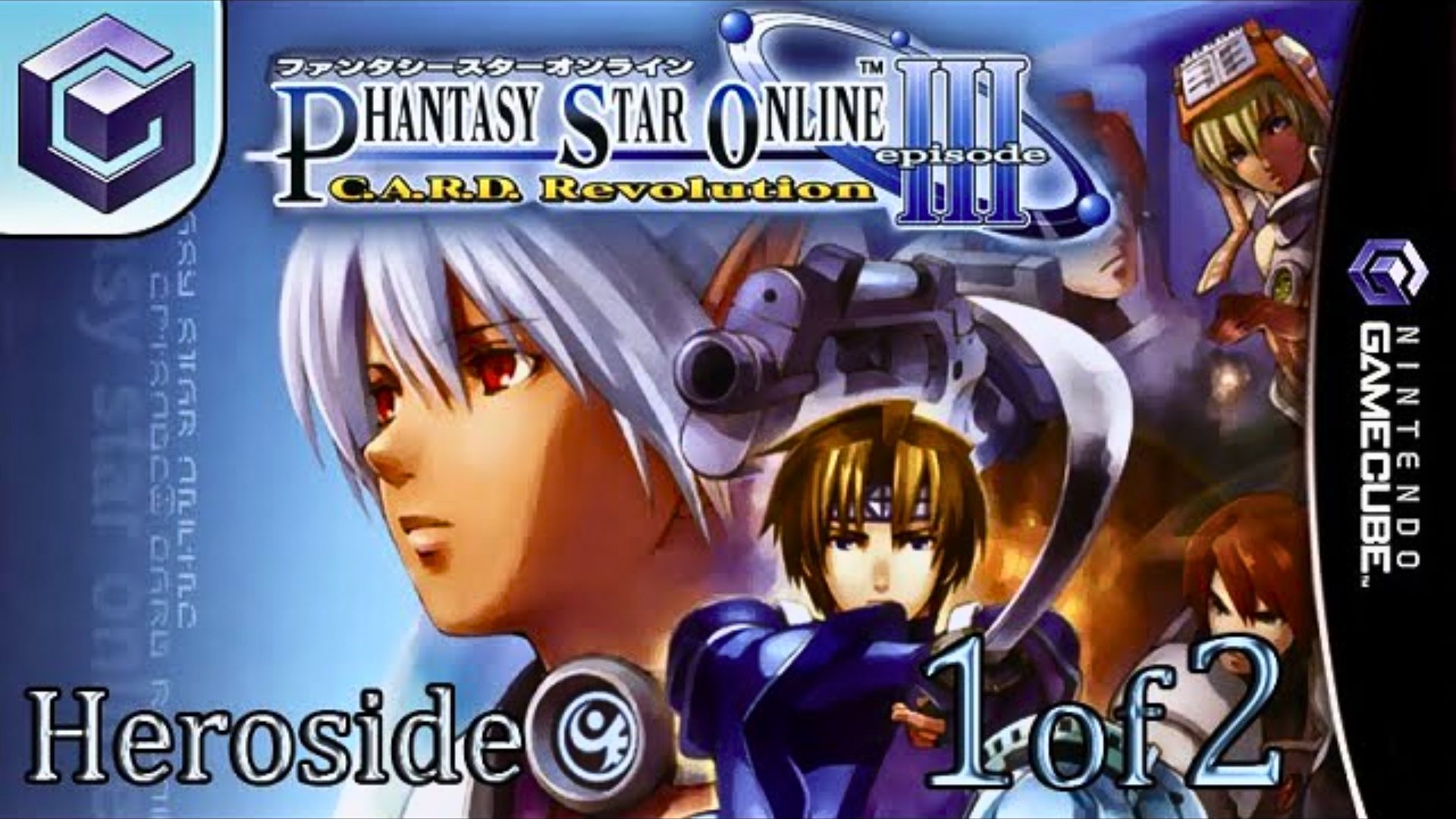
The first two Phantasy Star Online games built their name on real time online action. Episode III threw that out and started over.
This one takes place twenty years after the earlier games. A powerful light source has kicked off a fight between two rival groups who both want to control it. That light gets sealed into cards, and those cards become weapons. Battles play out turn by turn as you build a deck and fight with it.
So it's a full genre change. Sonic Team took a series known for fast online combat and turned it into a card strategy game.
Longtime fans wanted more of the original formula, and what they got barely looked like it, so a lot of them walked away disappointed. That's the main reason this one got left behind. The card system itself is solid. It just wasn't what people showed up for.
One more thing to know if you find a copy: Sega shut down the online servers years ago, so today it only works as a single player or local game.
Secondhand copies aren't too hard to find if you want to try it on its own terms.
17. Pac-Man Vs.
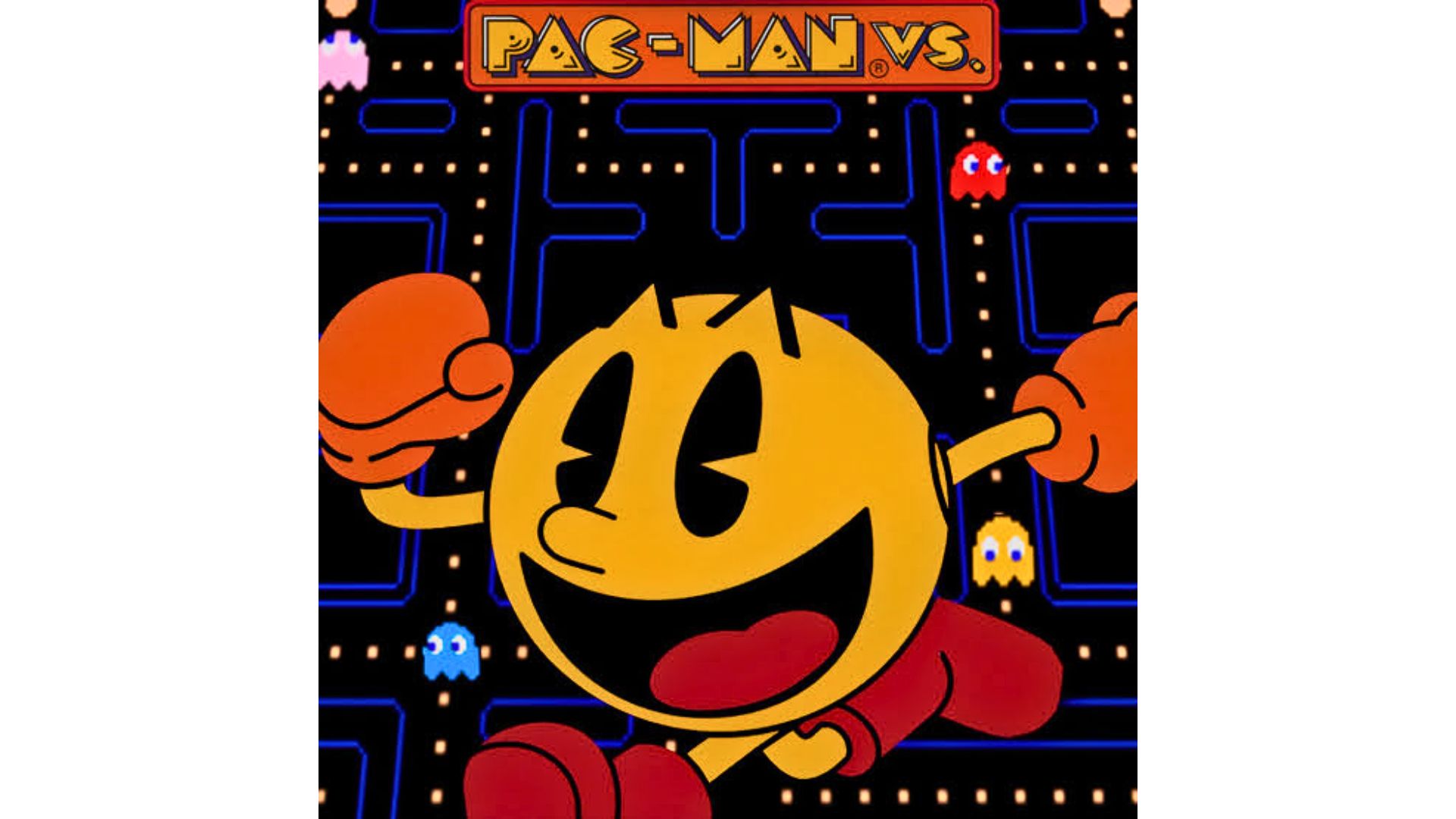
Here's a fun bit of trivia: Shigeru Miyamoto himself was behind this one, which is kind of a strange thing to say about a Pac-Man game.
The idea flips the classic formula around. One player uses a Game Boy Advance to control Pac-Man, and up to three others use GameCube controllers to play the ghosts.
And here's the twist. The Pac-Man player sees the whole maze on their handheld screen, while the ghost players only see a small piece of it on the TV. That difference is the whole game. The ghosts have to work together and guess where Pac-Man is going, while Pac-Man tries to stay one step ahead.
Getting it running needed a Game Boy Advance and a link cable, the same hardware problem that held back Final Fantasy Crystal Chronicles. Without that handheld, the mode just didn't work the way it was meant to, and most groups of friends didn't have one lying around, let alone the right cable.
Copies are cheap when you find them, but setting up the full experience today takes more work than most games here, since you'll need the GBA hardware or an emulator setup that matches it.
18. Cubivore: Survival of the Fittest
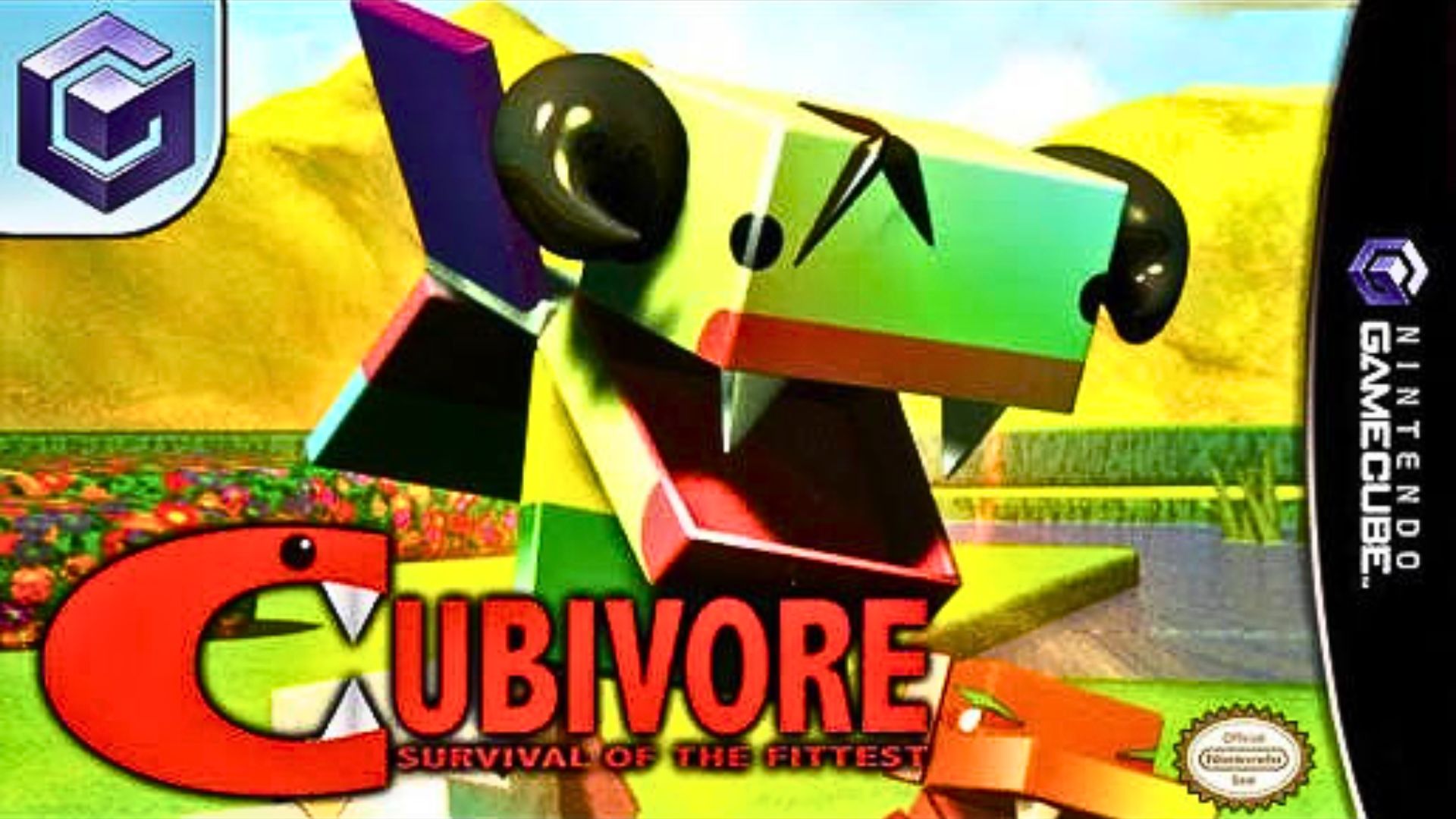
Every animal in this game is made completely out of cubes. It looks a bit like Minecraft, years before Minecraft was even a thing.
You control one of these cube animals, and your main goal is to eat other ones. Simple enough.
Eating causes mutations, though. Your animal changes shape and picks up new traits, including specific body parts, based on what it just ate. You can also reproduce, and your offspring carry traits based on how you've grown. So every run ends up looking different.
This game started out in Japan as a planned release for the Nintendo 64DD, an add-on that barely sold, and later moved to the GameCube instead.
Nintendo originally planned to keep it in Japan. Atlus stepped in, translated it, and brought it west without much support behind it. With no real marketing, hardly anyone knew it existed, and it came and went quietly.
Original copies are on the pricey side now, since it's built a small cult following, so Dolphin is the more realistic way to try it.
19. Geist
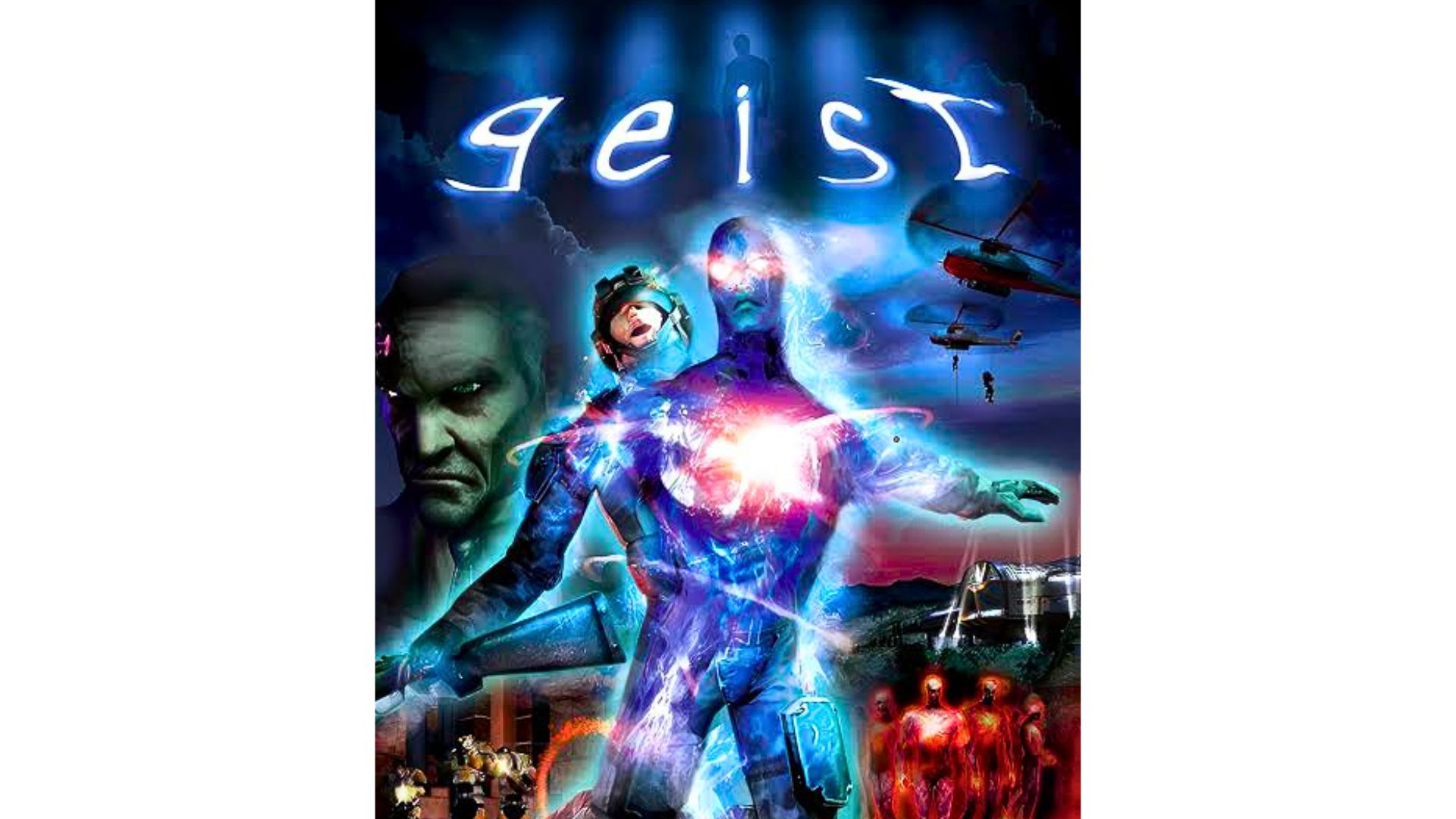
Before release, plenty of fans were calling this the GameCube's answer to Halo, and that comparison pretty much set it up to fail.
Geist isn't a normal first person shooter. You play as a ghost with no body and no weapon of your own. To do anything, you have to possess someone or something else. It could be a person, an animal, or even a machine.
Once you take over a target, you see the world through its eyes and act the way it naturally would. Take over an enemy soldier, and you can turn his own weapon on his allies. You can even jump into objects for special effects, which opens up some really strange ways to solve problems.
That's a totally different pitch from what a Halo comparison promised. Players showed up expecting a polished shooter and got something stranger and rougher around the edges.
The idea was ahead of its time, though. Very few games before or since have built a whole shooter around possession instead of straight combat. It just couldn't live up to the hype that got stuck to it early on.
Copies are fairly affordable secondhand, and it runs well on Dolphin too.
So that's the whole bunch. Which of these did you actually play back in the day, and what underrated pick did we miss? Drop it in the comments, and if you know another GameCube fan, send this their way.
Frequently Asked Questions
What is the rarest GameCube game?
Rarity is about how many copies were made, not how good the game is. Some GameCube games had really small production runs, and a few were only handed out as promotions and never sold in stores at all.
Those are a different thing from the games here. These sold poorly, but you could still find them on store shelves. Rare games are just hard to find, period, no matter how good they are.
What's the difference between the best GameCube games and the underrated ones?
"Best of" lists usually stick to games everybody already knows, like Zelda, Metroid Prime, or Super Smash Bros. Melee.
Underrated lists point somewhere else, at games that were really good but sold poorly or got forgotten over time. That's why the two barely overlap. One tracks fame. The other tracks games that never got the attention they earned.
What are some of the worst GameCube games?
The GameCube had its share of rushed licensed games and low effort shovelware (cheap games thrown together fast to make quick money), same as any console. Those are the opposite of what's covered here.
Everything above was made with real care, even if it didn't sell. The console's worst games would need a whole separate article.
Do I need original hardware to play these games today?
No. Most of these run well on the Dolphin emulator on a regular PC, and that's the easiest and cheapest way to try almost everything here.
A few are the exceptions. The games built around the Game Boy Advance link cable need extra setup to fully recreate their multiplayer the way it was meant to work.