
Video games have come a long way. Today, they tell stories that touch millions of people across the world.
But here is the real question: do those stories include everyone?
In this blog, I will walk you through what diversity in video games actually means, why it matters for players, and how it shapes the gaming industry. I will also cover real examples, ongoing challenges, and what the future looks like.
I have spent years following gaming trends and representation debates closely, so you are in the right place.
This is not just about politics. It is about making games better for all of us.
What Diversity in Video Games Means

Diversity in gaming goes beyond adding different skin tones to characters. It covers cultural representation, gender and LGBTQ+ inclusion, disability, and the kinds of stories that get told.
Getting culture right means going beyond looks. It includes language, clothing, music, and values. Games like Ghost of Tsushima showed what happens when developers do that research well.
For a long time, games mostly featured straight male heroes. LGBTQ+ players were largely invisible. That is slowly changing, and it carries real emotional weight for people who rarely see themselves on screen.
Disability representation is growing too. Games like Celeste and The Last of Us show disabled characters as strong, fully written people. That shifts how all players think.
Diversity is also about what stories get told. Games built around Indigenous mythology, immigrant experiences, or African history are rare but powerful. When developers take those stories seriously, everyone benefits.
Why Diversity in Video Games Is Important for Players

Diversity changes how players feel while playing. It shapes connection, community, and emotional experience.
Helping Players Feel Seen and Represented
When you see yourself in a game, something clicks. For players from underrepresented groups, that moment is rare. Many have spent years playing as characters who look nothing like them.
Representation sends a message:you belong here too. That feeling stays with people.
Building Inclusive Gaming Communities
Games that feature only one type of person attract a narrow audience. Diverse games open the door wider.
When more types of players feel welcome, communities grow stronger. People from different backgrounds connect, compete, and build friendships.
Encouraging Empathy Through Storytelling
Playing as someone different from you builds understanding. You feel their fears. You see their world.
Unlike a film, you are not just watching a character. You are living as them. That creates a deeper kind of empathy.
Making Games More Relatable and Immersive
The real world is full of people with different backgrounds, abilities, and beliefs. A game that ignores that feels flat.
Diverse characters and settings make a game world feel alive. Players stay more engaged when the world feels real.
How Diversity Impacts the Gaming Industry
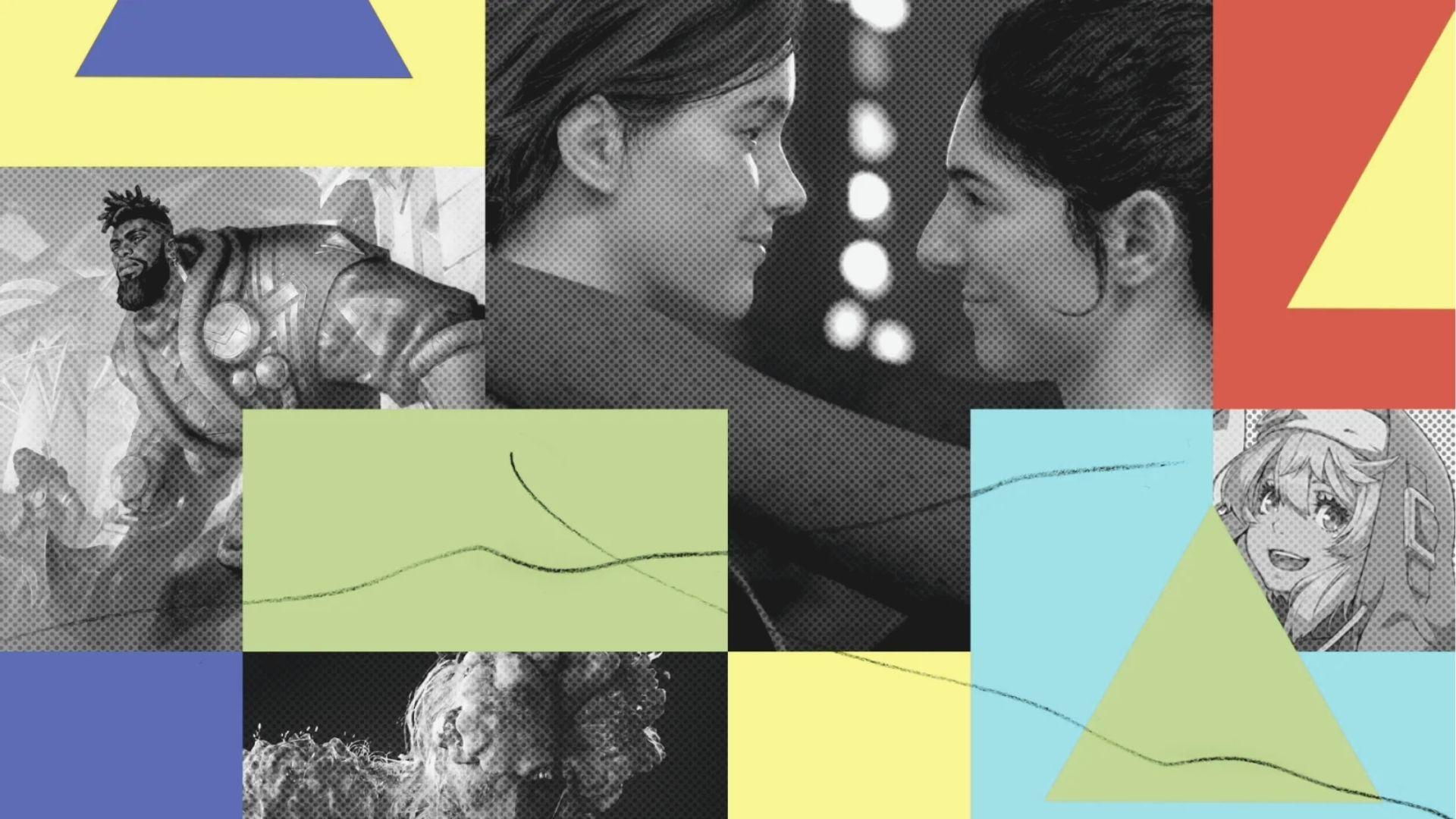
Diversity is not just a social issue. It is a creative and business issue too.
Better Creativity and Innovation
When everyone on a team thinks the same way, ideas start to look the same. Diverse teams bring fresh perspectives, new gameplay ideas, and stories no one has told before.
The most praised games often come from the most diverse teams. That is not a coincidence.
Stronger Storytelling and Character Design
A character with real cultural roots and a layered identity is far more compelling than a generic hero. Good character design comes from understanding real people.
Players notice when a character feels real versus when they feel like a checkbox.
Reaching Global Audiences
Gaming is a global industry. A game that speaks to only one audience misses everyone else.
Studios that represent different cultures and experiences reach players they would never connect with otherwise. That is smart business, not just good ethics.
Improving Brand Reputation and Player Trust
Players pay attention. When a studio represents people well, players respect that. When it feels forced or careless, players call it out fast.
Genuine effort builds real loyalty. That trust pays off in the long run.
Examples of Diversity in Video Games
Real games show us what diversity looks like in practice. Some got it right. Some sparked debate. All of them offer lessons.
Horizon Zero Dawn and Diverse Protagonists
Aloy is a strong, curious, fully written female lead. Her gender is never treated as a limitation. She is simply the hero. That is representation done right.
The Last of Us Part II and LGBTQ+ Representation
Ellie's identity is not a plot twist. It is just part of who she is. The game proved that honest LGBTQ+ representation can exist in big-budget titles without feeling forced.
Never Alone and Indigenous Culture
Built with the Iñupiaq community of Alaska, this game is fully authentic. The community guided every design choice. It introduced thousands of players to a culture they had never encountered before.
Assassin's Creed Shadows and Representation Debates
Featuring Yasuke, a historical African samurai, the game sparked debate before launch. Some praised it. Others questioned it.
The debate itself matters. It shows that representation in games is still complex, and how studios handle that complexity matters.
Challenges Facing Diversity in Video Games
Getting diversity right is not simple. Real obstacles exist, and some come from within the industry itself.
Stereotypes and Tokenism
Adding a diverse character without real depth is tokenism. It is the appearance of representation, not the real thing. Players can tell the difference.
Reducing a character to one cultural trait or joke does more harm than good.
Community Backlash and Culture Wars
Some communities push back hard against any change. Harassment campaigns targeting diverse games are a real problem.
Not every criticism is bad faith. But organised attacks on developers cause real harm and discourage studios from taking risks.
Lack of Diversity in Development Teams
This is the root issue. Most game studios are still not very diverse, especially at senior levels.
You cannot write a character's lived experience if no one on your team has lived anything close to it.
Balancing Authenticity and Creative Freedom
Fear of getting it wrong can hold developers back. But avoiding representation is not the answer.
Do the work. Consult the right people. Take the time to get it right. Creative freedom works best when paired with genuine care.
Why Diversity Behind the Scenes Matters

What happens inside a studio shapes everything that appears on screen. Representation in games starts with representation in development.
Inclusive Game Development Teams
Diverse teams make better games. An all-male team writing a female character will miss things. An all-white team writing a story set in Nigeria will likely get details wrong.
This is not an opinion. The industry has seen it play out many times.
The Value of Different Perspectives
Every team member brings their own set of experiences. Those differences show up in how characters speak, how worlds are built, and what stories get told.
Different perspectives catch blind spots and create depth that a homogenous team simply cannot.
Research and Cultural Consultation
No team can have lived experience with every culture they represent. That is where cultural advisors, historians, and community members come in.
Games that do this work earn trust from those communities and avoid costly mistakes.
Inclusive Hiring Practices in Gaming
Real change starts at hiring. Studios need to actively recruit from a wider pool and build workplaces where different people feel safe and valued.
One hire is not enough. True inclusion means everyone can grow and contribute.
The Future of Diversity in Video Games
The gaming industry is moving in the right direction. Slowly, but it is moving.
A few years ago, diverse representation was seen as optional. Now it is becoming expected. More studios are putting inclusion policies in place, and players are speaking up louder than ever. When games fall short, communities notice. That pressure pushes studios to do better.
Indie games have led the way for years. Titles like Celeste and Spiritfarer proved that diverse stories find real audiences. AAA studios are starting to follow.
Diversity also means accessibility. Subtitles, colourblind modes, and multiple language options make games available to more people worldwide. Studios that understand this will lead the industry forward.
Conclusion
Diversity in video games is not a trend. It is a shift toward games that feel real, honest, and made for everyone.
I have seen how much it means to a player when they finally see themselves in a game. That moment of recognition is powerful. It stays with you.
If this blog gave you something to think about, I would love to hear your thoughts. Leave a comment below, share the post with a fellow gamer, or check out more of our gaming content.
The more we talk about this, the better games will become for all of us.
Frequently Asked Questions
Why does diversity in video games matter?
It helps players from all backgrounds feel included and respected. It also makes games more creative and meaningful for a wider audience.
What is tokenism in video games?
Tokenism is adding a diverse character without giving them real depth or purpose. It looks like representation but lacks the substance players actually deserve.
How does diversity help game developers?
Diverse teams bring more ideas and catch blind spots others miss. This leads to better games and stronger connections with a global audience.
Which video games are good examples of diversity done well?
Games like Never Alone, The Last of Us Part II, and Horizon Zero Dawn are widely praised. They handle representation with real care and research.
What can players do to support diversity in gaming?
Buy diverse games, leave positive reviews, and speak up in gaming communities. Your choices as a player send a clear message to the industry.