
Personally, I still think the 360 had one of the best libraries of its whole generation, and somewhere in that pile, dozens of genuinely great games just got lost. Not because they were bad, either. Most of these earned strong reviews from critics who actually sat down and played them.
They lost to bad timing, mostly. A big release the same week, a marketing push that confused people, or a genre that didn't line up with what the console's crowd wanted right then.
So I went through and pulled some of the best of the overlooked ones, and I looked at what actually happened to each one, not just "hey, this is good," but why it slipped right past so many players who would've loved it. Some of these are easy to track down today. Others, honestly, take a bit more digging.
What Makes an Xbox 360 Game "Underrated," Really
I've seen that word thrown around on gaming lists until it stops meaning anything, so here's what actually separates an underrated game from one that just got old:
- A game earns that label when it was genuinely good but got missed by most players at launch; that's a different thing than a game just being old
- Plenty of forgotten 360 titles were forgotten for a reason, and I won't pretend otherwise; they were mediocre, and time just proved it
- The games on this list aren't that; reviewers liked them, players who actually found them stuck with them, and something else got in the way of them finding an audience
- Sometimes it was bad timing, plain and simple; a great game launching the same week as a massive blockbuster gets buried no matter how good it is
- Sometimes it was the marketing; a few of these got sold as something they weren't, so the right players never even noticed them sitting on the shelf
- And sometimes the game just didn't fit what the 360 crowd wanted in that moment; a slow, story-heavy RPG dropped into a library full of shooters never really stood a chance
- Bad games flop because they're bad, and nothing fixes that with hindsight; underrated games flop for reasons that have nothing to do with quality: timing, marketing, audience mismatch, not the game itself
Keep that in mind as you go down this list. Every game below earned its spot for a specific reason, not just because it's obscure.
These span a few different genres too: shooters, JRPGs, some arcade oddballs mixed in- so I've kept them roughly grouped so you can jump to what you're into.
Before You Get Into the List
One thing worth knowing going in: the Xbox 360 was the console that turned Achievements into a standard part of every game, not some side feature a handful of titles bothered with.
That system changed how a lot of us tracked what we'd actually finished, and it's a big part of why a few of these overlooked games still have small, dedicated fanbases chasing full completions on them today.
1. Enslaved: Odyssey to the West
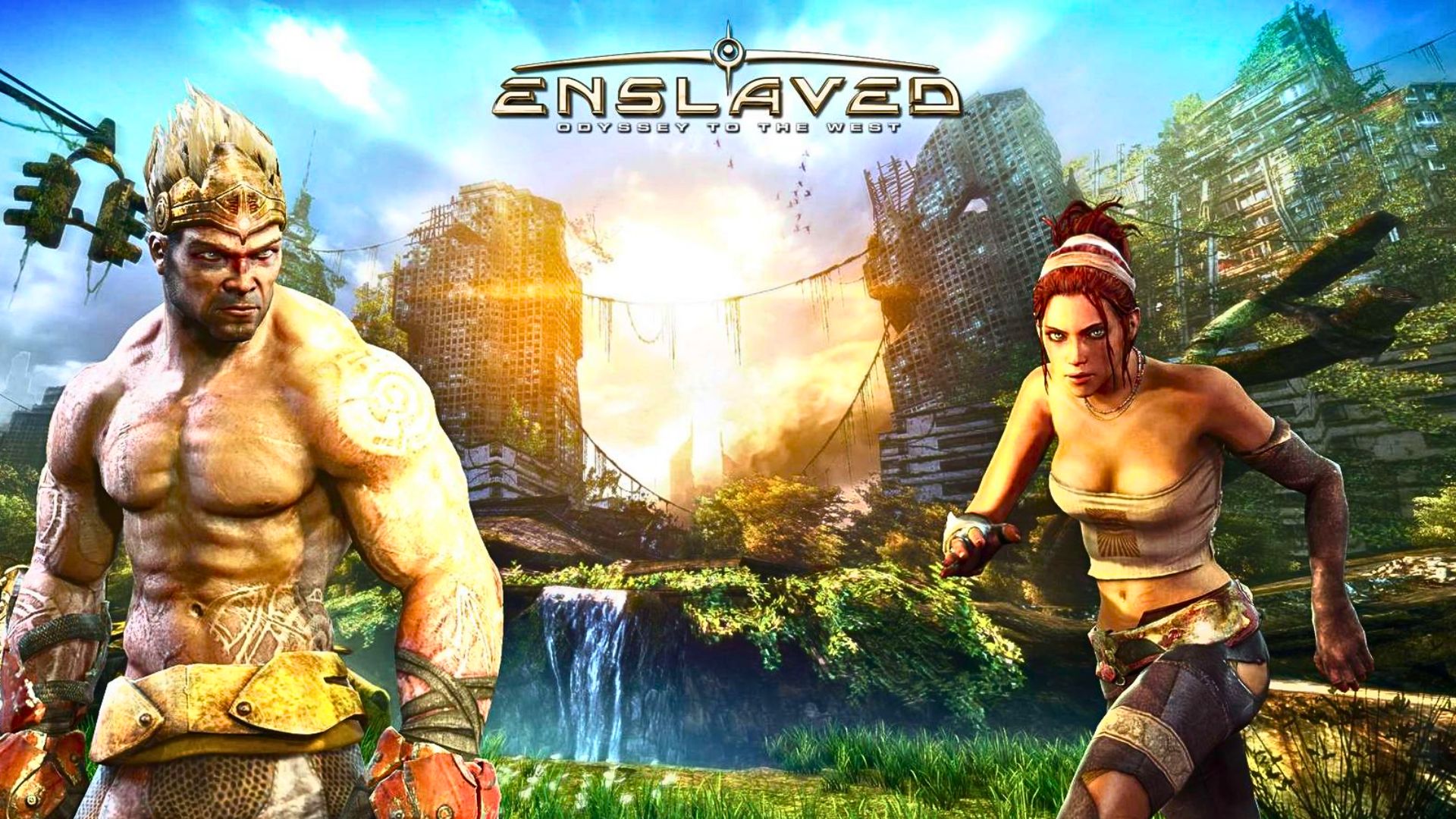
What gets me about Enslaved is the bond between its two leads. Monkey and Trip aren't just a hero and a sidekick, Trip guides and hacks systems from a distance while Monkey fights and climbs, and the whole game builds its combat and traversal around that split.
It's a post-apocalyptic world, but not a grim one, which I always appreciated. Overgrown cities, rusted-out machines, there's a strange kind of beauty in it that most games in this genre skip right past.
So why did so few people play it? Bad timing, mostly. It launched in October 2010, the same month as Fallout: New Vegas and just weeks before Fable III. Both were massive, and Enslaved got buried under the noise.
Good news, though: you can still play it today. It runs through backward compatibility on Xbox Series X|S, so honestly, there's no excuse to keep missing it.
2. The Saboteur
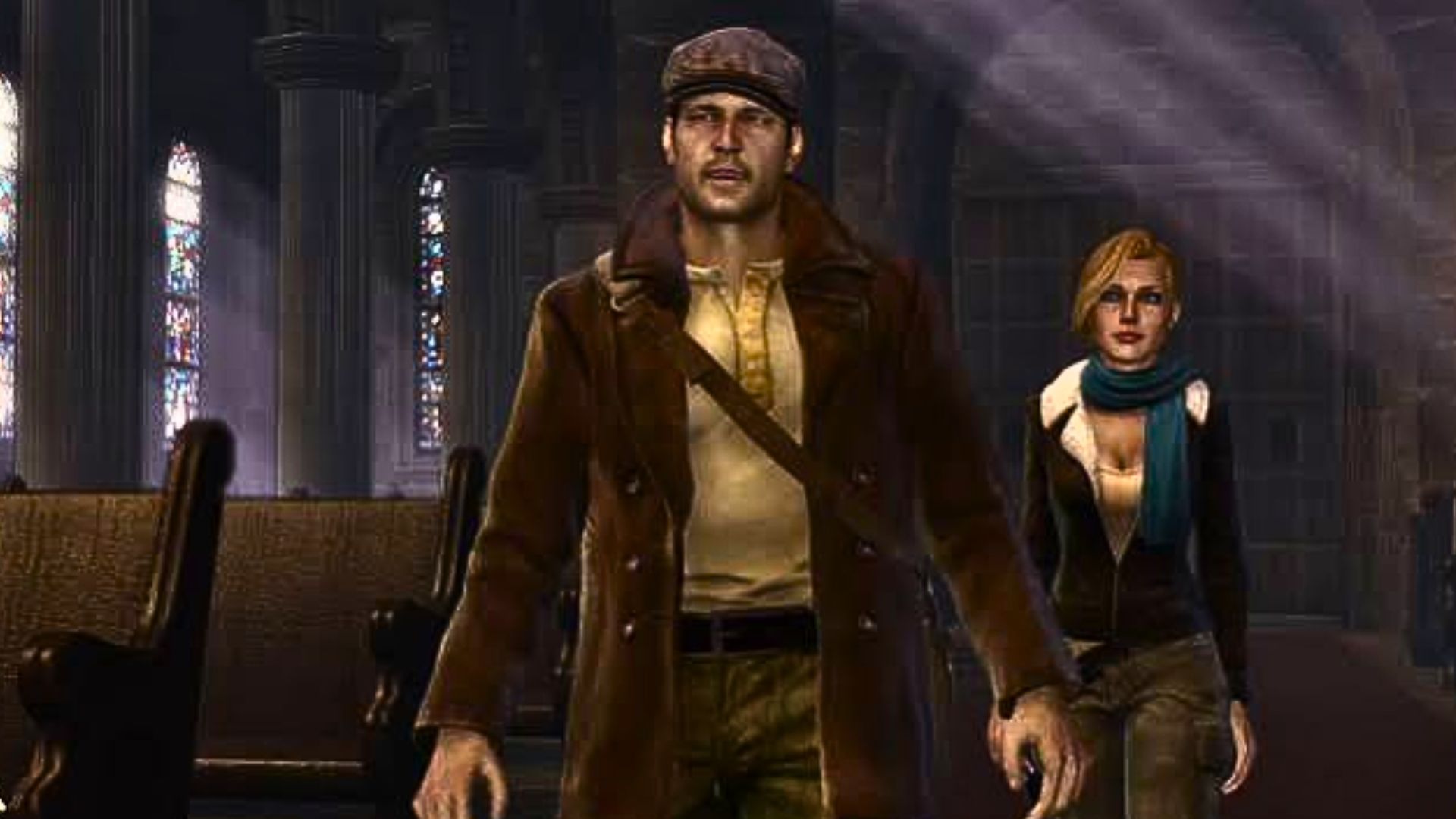
The black-and-white-to-color trick in The Saboteur isn't just a style choice, and that's what I like about it. It's tied directly to what you're doing in the game.
Nazi-occupied zones of Paris start out drained of color, almost like an old photograph. As you clear missions and push German forces out of an area, color floods back into the streets.
So progress isn't just something you track on a map or a checklist. You can actually look at the city and see how far you've come. That's a smart way to make liberation feel real instead of abstract.
Why didn't more people notice? Timing again. It launched in December 2009, sandwiched between GTA IV and the run-up to Assassin's Creed II. Both dominated the open-world conversation that year, and The Saboteur got lost in the gap.
3. Asura's Wrath
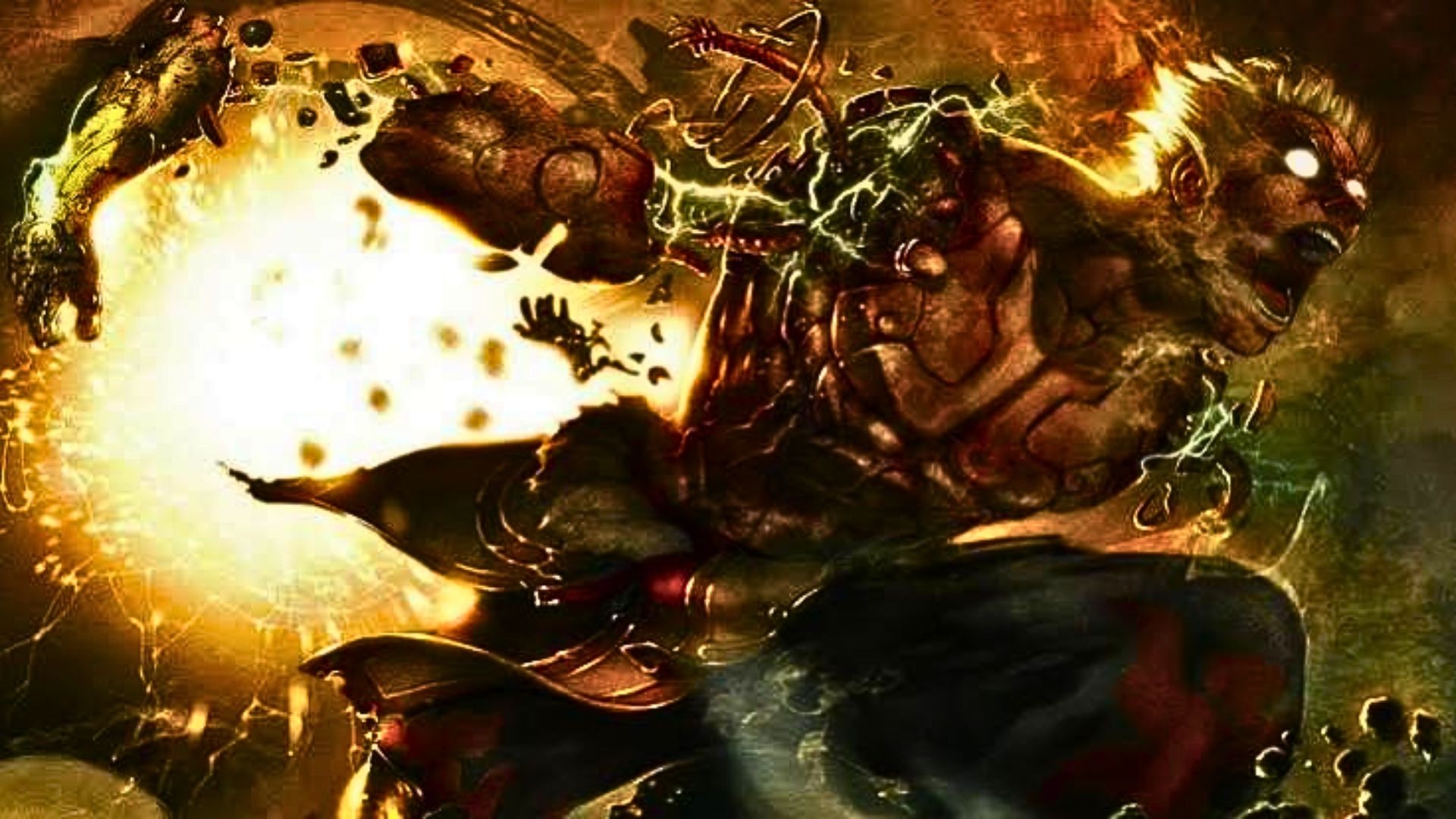
Asura's Wrath barely plays like a video game at times, and I think that's kind of the point. Fights are split into episodes, like an anime series, and lean hard on quick-time events instead of traditional combos. You're reacting to huge, over-the-top boss battles more than fighting them the normal way.
Mainstream reviewers didn't quite know what to do with that. A lot of them scored it low for not being a "real" action game.
But the players who got on its wavelength loved it, and I get why. The scale of the fights, the sheer drama of each episode, each built a small, loyal fanbase that still defends it today.
It's on the 360 backward compatibility list, so it's easy enough to pick up on current hardware if you want to try it yourself.
4. Rayman Origins
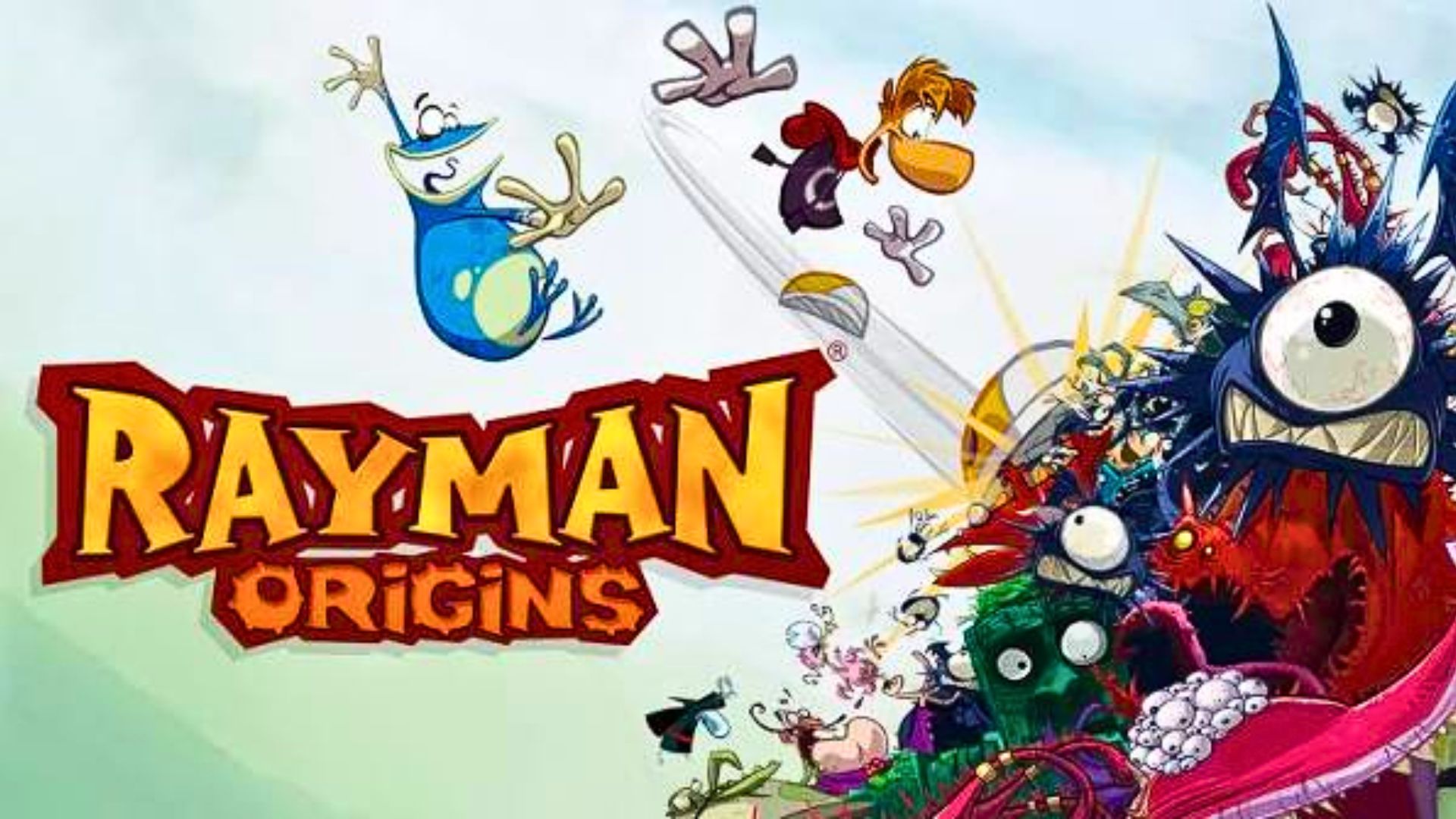
Rayman Origins isn't unknown, to be fair. Critics loved it, and it still shows up on best-platformer lists years later.
It's overshadowed, and that's a different problem. It landed in a holiday season packed with major console exclusives all fighting for the same shelf space and the same headlines. A 2D platformer, no matter how good, just wasn't going to compete with that kind of marketing budget.
What it had going for it was the art. Every level looks hand-drawn, almost like a moving painting, with more detail packed into the backgrounds than most games bother with.
That art style still holds up now, arguably better than a lot of 3D games from the same era. Its sequel, Legends, gets more attention today, but Origins is where that look started.
5. Spec Ops: The Line
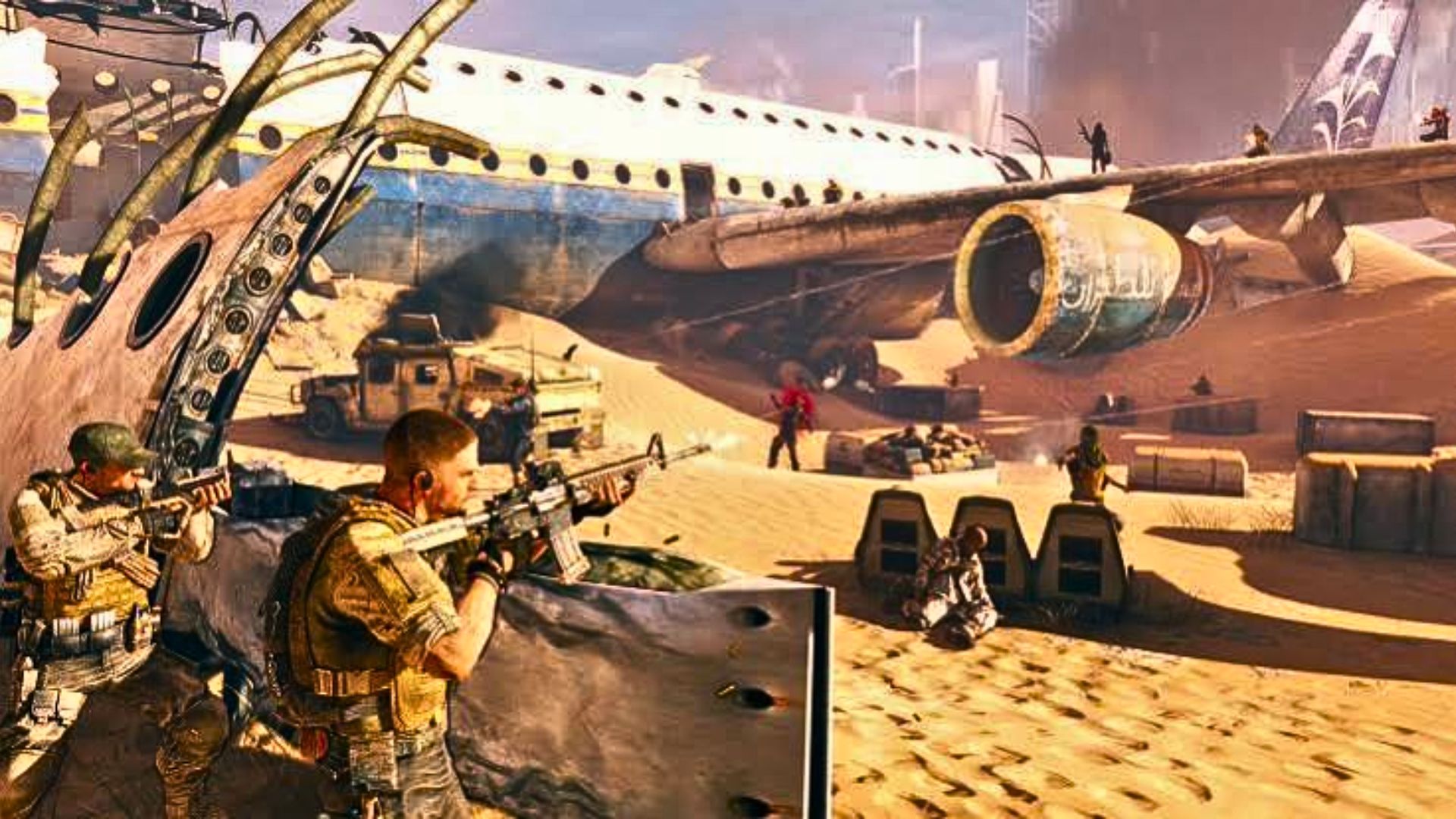
Here's the thing, the marketing for Spec Ops: The Line sold a game that doesn't actually exist. Trailers and cover art showed a standard military shooter, cover, shoot, move forward, save the day. That's what most people walked in expecting.
What they got was way darker. The game quietly builds a case against the whole genre, forcing you to sit with the weight of decisions most shooters never bother questioning.
Players expecting a straightforward power fantasy got caught off guard, and I'd bet that mismatch cost it real sales at launch. Reviews that dug past the surface still call it one of the sharpest scripts of its generation.
Unlike a few others on this list, you don't need to go hunting for a copy. It's still available digitally, so picking it up today is simple.
6. Singularity
Singularity launched in June 2010, five months before Call of Duty: Black Ops took over every shooter conversation that year. That gap mattered more than it should have. Players were already saving their attention and their money for Black Ops, and a new IP from a smaller studio had almost no shot at breaking through that wall.
Kind of a shame, because the game itself does something genuinely interesting. You get a device that ages objects forward or backward in time, using it to solve puzzles and turn the battlefield against enemies.
It plays a bit like BioShock in structure, I will say, but that time mechanic gives it its own identity. Reviewers at the time called it a smart, well-made shooter. It just never had the room to prove that to a wider audience.
7. Earth Defense Force 2017
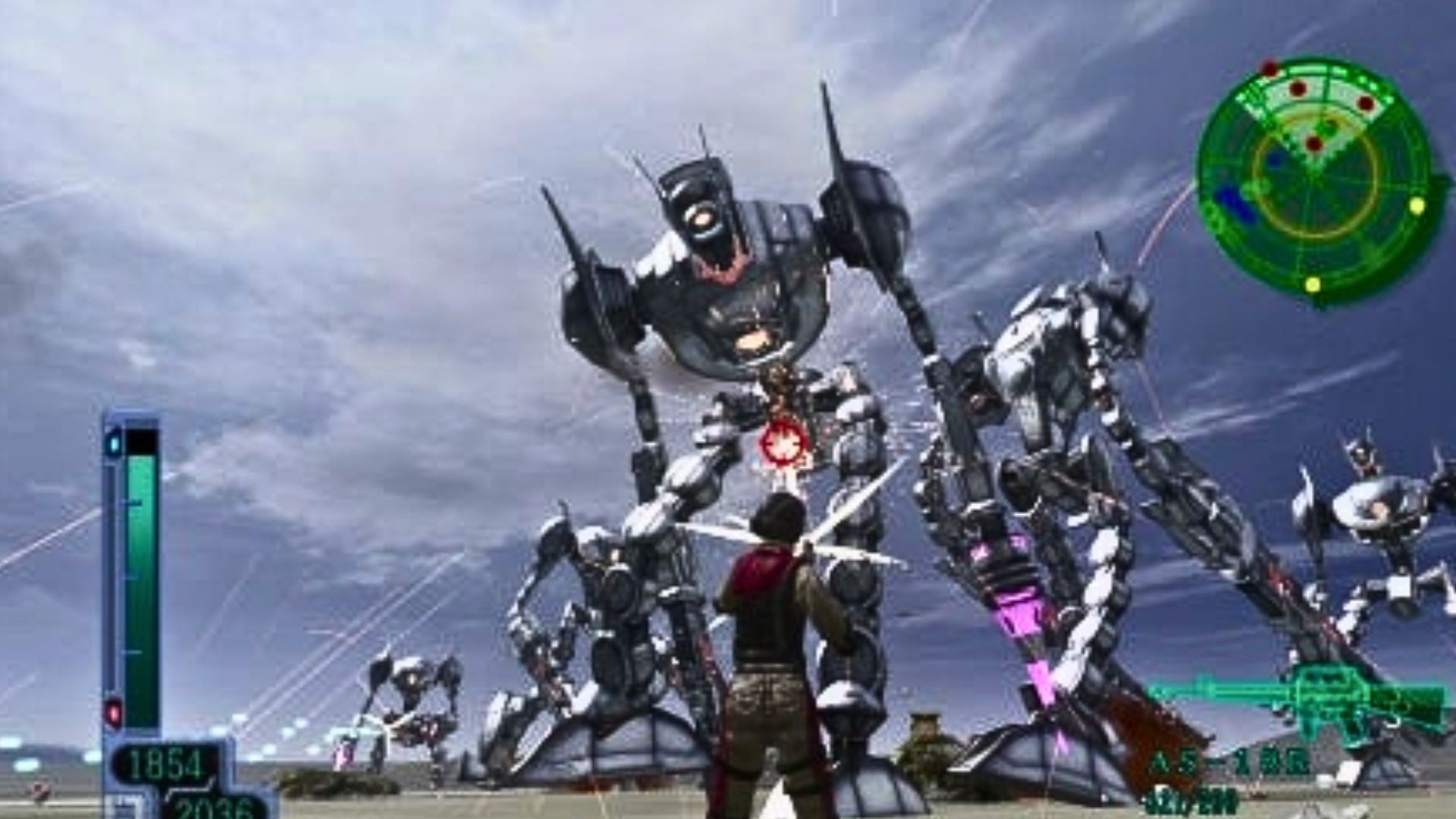
Earth Defense Force 2017 is an arcade shooter through and through, and it never tries to hide that. You're a soldier fighting off swarms of giant insects and alien invaders, hundreds of enemies filling the screen at once. Visuals are rough, voice acting is stiff, the whole thing plays like a B-movie come to life.
That was never a mistake, I want to be clear. The studio built it to feel like a throwback to cheap, over-the-top sci-fi, and every choice supports that tone on purpose.
The mainstream press largely ignored it because it looked like a budget title on the surface. But the chaos, the sheer scale of the enemy waves, that turned out to be genuinely fun.
Later entries kept leaning into that same swarm-and-chaos formula instead of smoothing it out, and the series has kept getting new games for well over a decade since, proof the formula worked all along.
8. Condemned: Criminal Origins
Condemned launched right alongside the Xbox 360 itself back in 2005, and that timing hurt it badly. Almost nobody owned the console yet.
The library was tiny, reviewers only had a handful of titles to cover, and most players hadn't even bought the hardware. A brutal horror game had basically no audience to reach.
Shame, because the core idea here still hasn't really been copied much. You're a crime scene investigator solving cases and fighting off attackers with whatever you can grab, brutal melee combat mixed with actual detective work. That combination gave it a tense, grounded kind of horror most games in the genre skip.
A sequel followed a few years later, but this first one is where the idea was sharpest, me personally.
9. F.E.A.R.
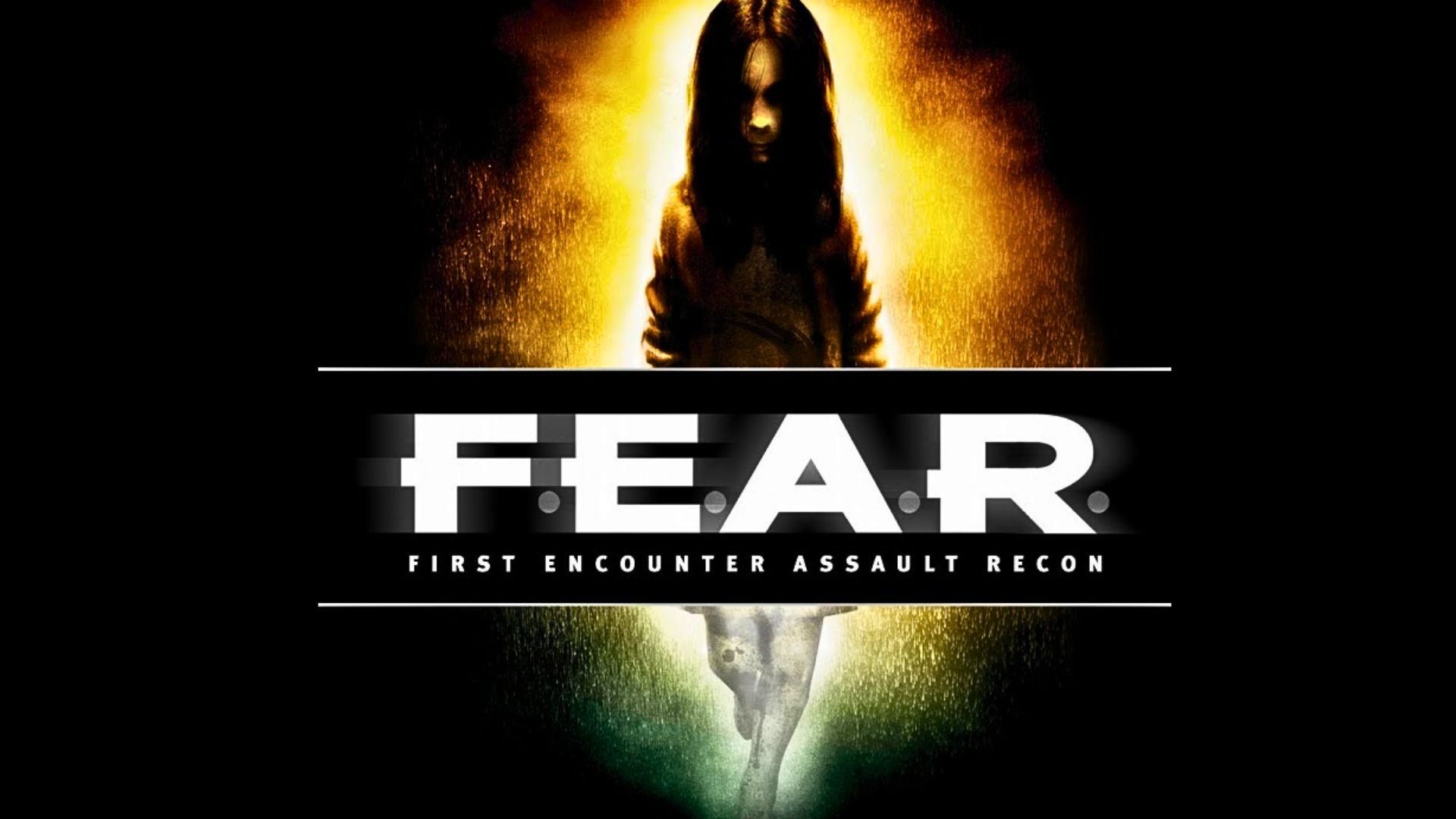
Worth clearing up first: this is the original F.E.A.R., not F.3.A.R., the third game in the series. They're not the same experience.
The later game leaned into co-op action and lighter horror, while the original stays slow, tense, and genuinely unsettling from start to finish. If you played the sequel and shrugged, that's not this game we're talking about.
What set it apart back then was how the enemies behaved. Soldiers flanked you, called out to each other, reacted to cover in ways that felt closer to fighting real people than scripted targets. Developers still reference that combat design years later when they talk about smart enemy AI.
Mixed in with genuinely creepy horror sequences, it's a combination the franchise never quite matched again.
10. Wolfenstein (2009)
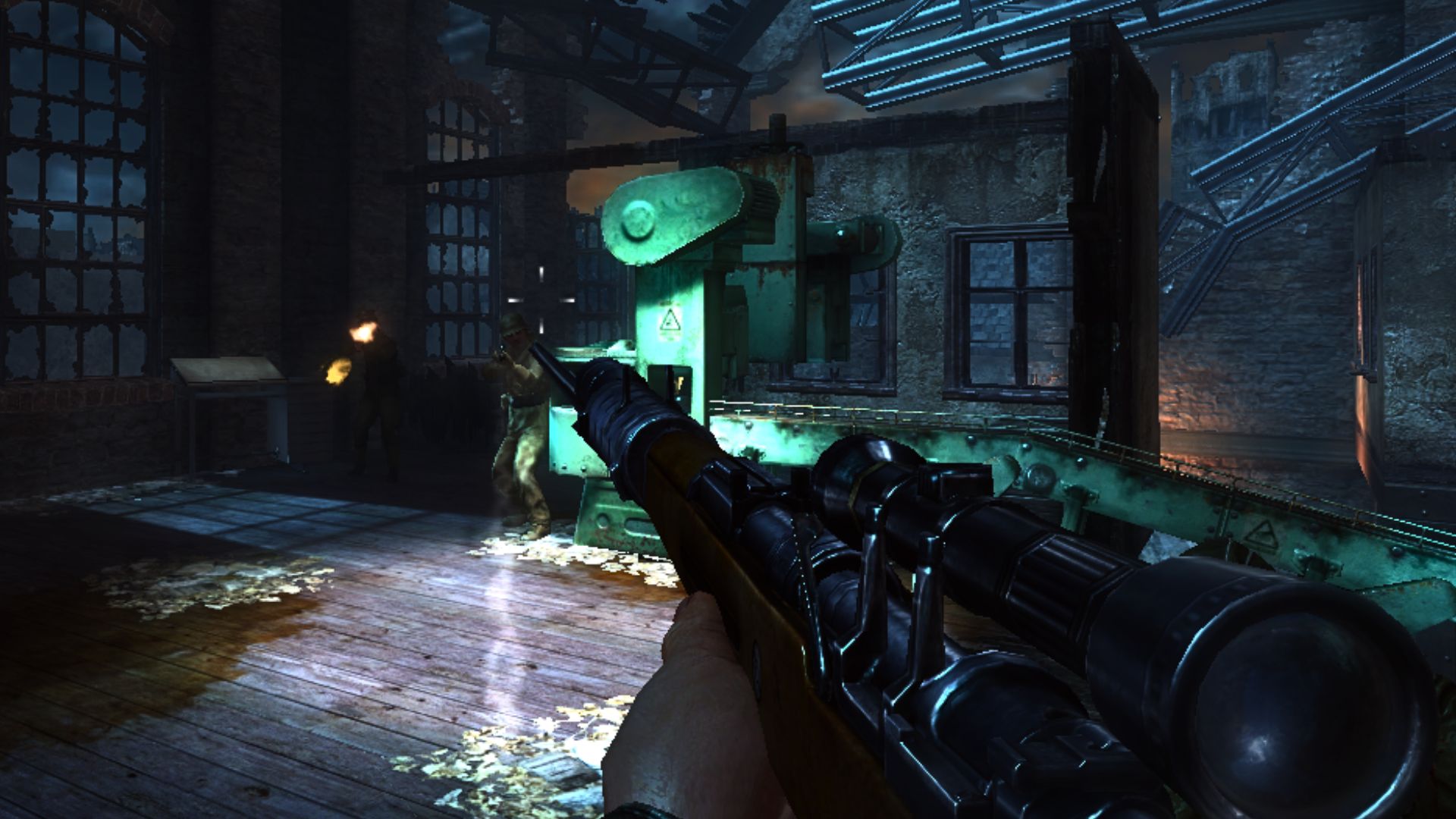
2009 was about as tough a year as a shooter could launch into, and Wolfenstein landed right in the middle of it. Modern Warfare 2 dropped that November and swallowed almost all the attention shooter fans had to give. Anything releasing near it got pushed aside, no matter how solid it actually was.
That's exactly what happened here, and players who skipped it missed a genuinely clever idea.
The Veil, an alternate dimension you could slip into mid-fight, let you slow time, see through walls, or shield yourself from damage. Few shooters before or since have built a mechanic quite like it right into standard combat.
It gets called criminally underrated in gaming forums a lot, and once you play it, yeah, that reputation checks out.
11. The Darkness
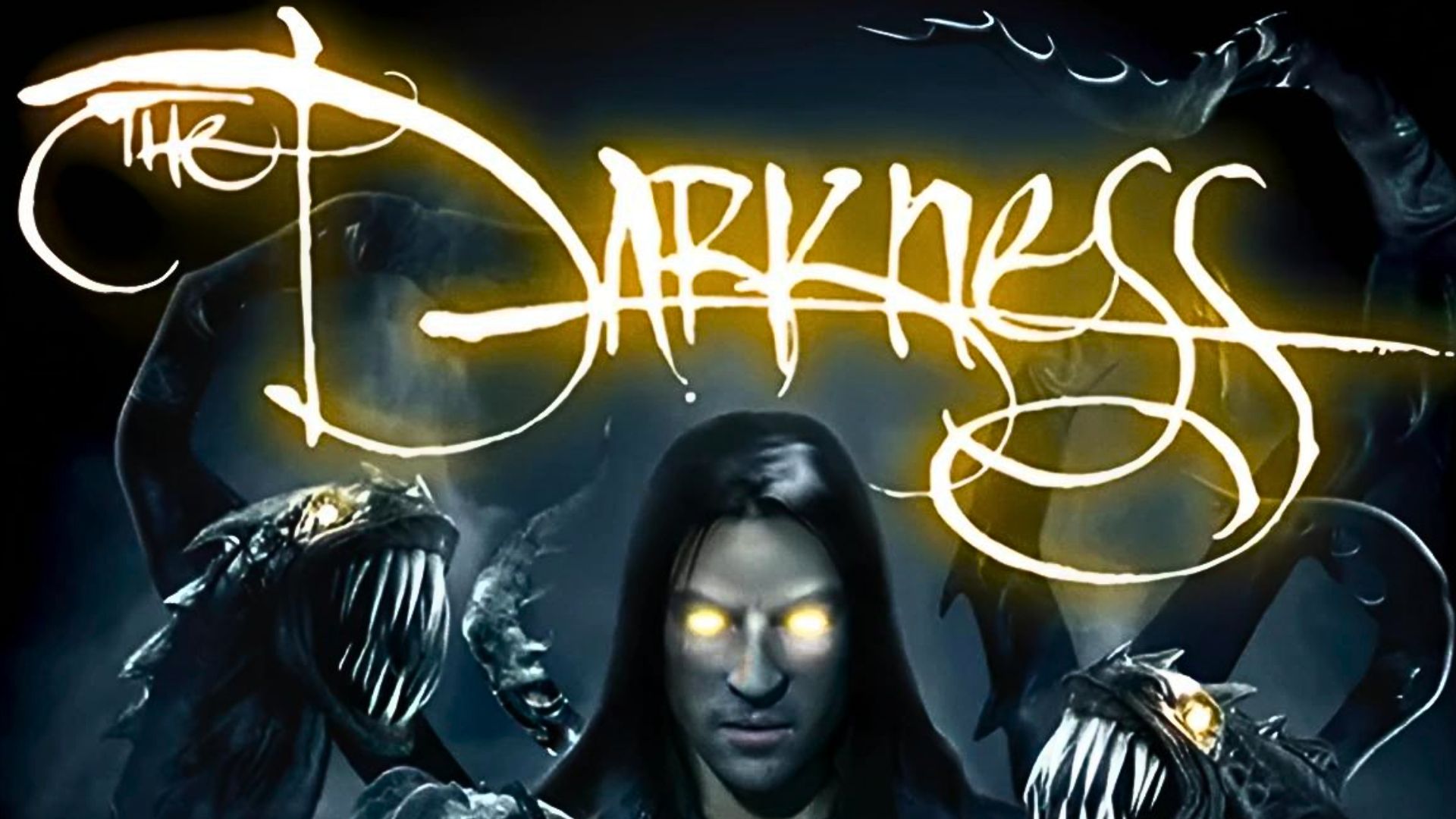
Comic-based games had a bad reputation in 2007, and that alone kept a lot of players away from The Darkness.
Most licensed comic titles up to that point were rushed cash-ins with weak writing and sloppy gameplay. Players had learned to expect very little, so plenty didn't even give this one a shot.
That assumption cost them. The writing was sharp, the tone genuinely dark and mature, and the voice cast, including
Mike Patton as the demonic Darkness itself, gave the whole thing real weight. It played more like a grounded crime story with a supernatural twist than a typical superhero tie-in.
Reviewers who actually sat with it were surprised by how far it outperformed the low bar the genre had set.
12. The Darkness II
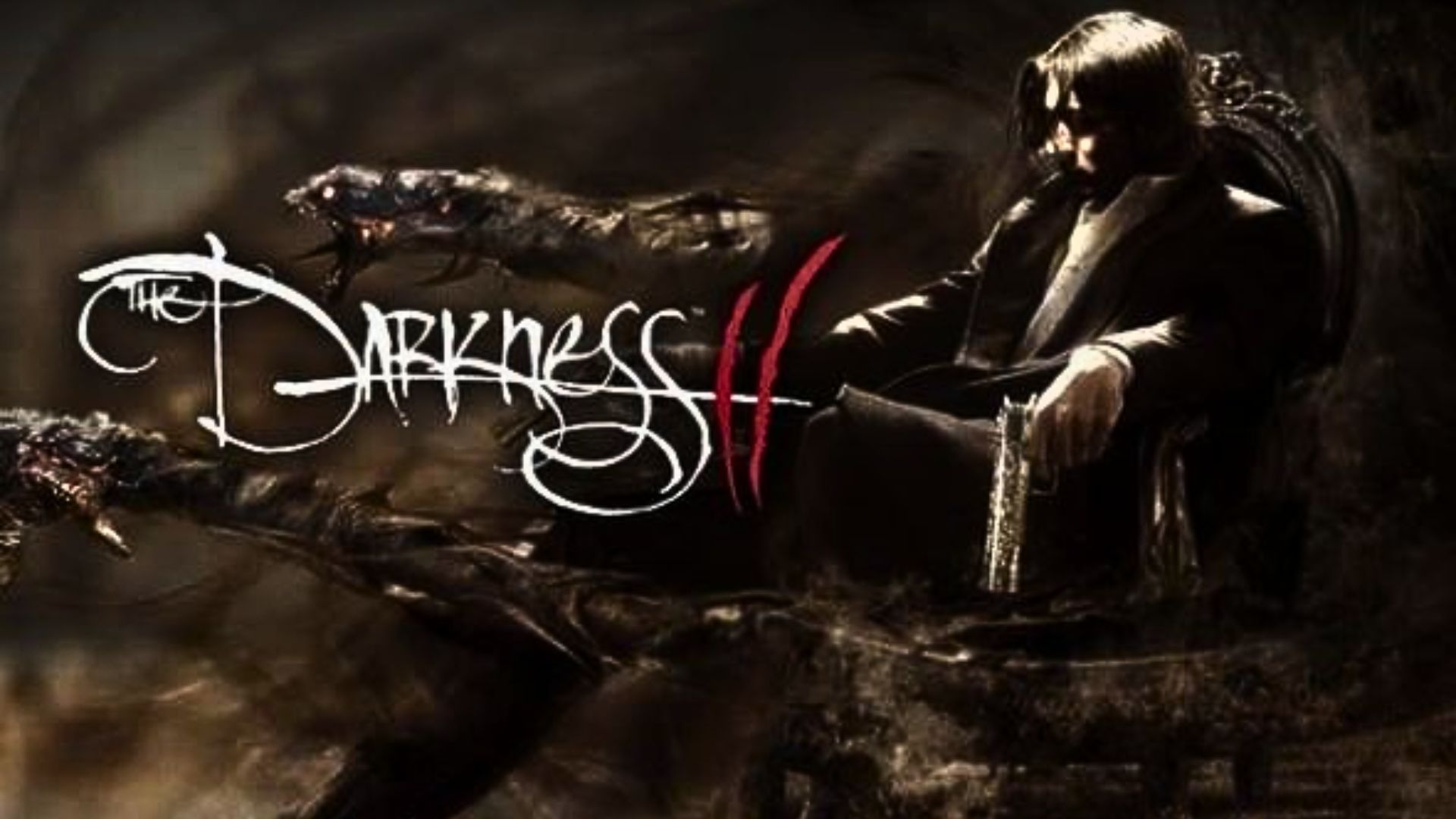
The Darkness II split from its predecessor when the second players saw it. The realistic art style was gone, replaced by bold, cel-shaded visuals with thick outlines.
Longtime fans of the first game weren't ready for that, honestly. It looked like a different series, and a lot of them didn't stick around long enough to see if the writing had held up.
Shame, because the combat took a real step forward. You now wielded four demon arms at once, mixing gunplay with brutal melee attacks in a way few games had tried before.
Faster, more aggressive game than the first, even if that visual shift cost it a chunk of its original audience.
13. Ace Combat: Assault Horizon
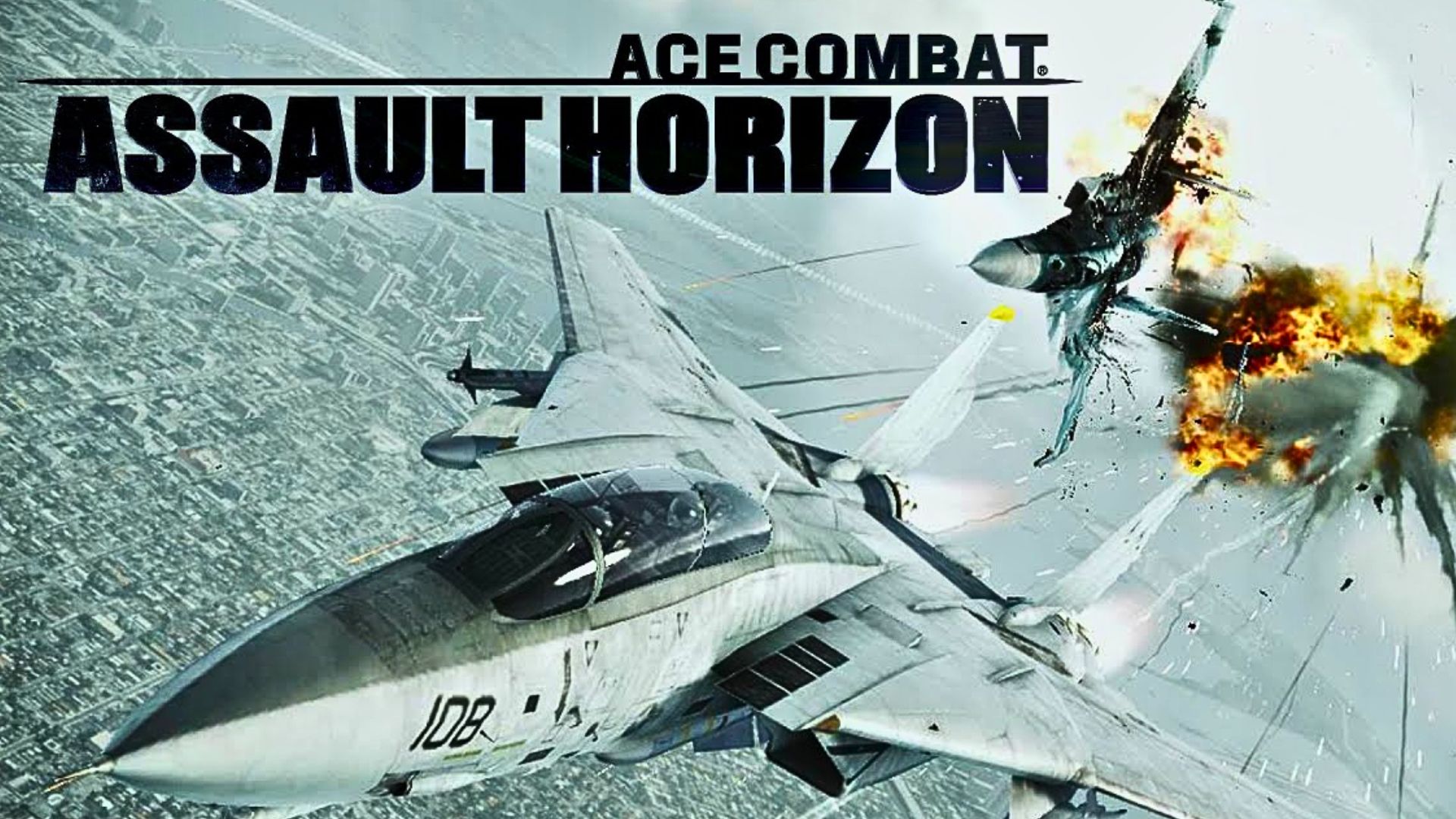
Longtime Ace Combat fans hated this one at launch, and that reaction scared off plenty of newcomers too.
The series had always leaned toward a slower, more tactical flight-sim feel. Assault Horizon pushed hard into arcade territory instead, adding a close-range dogfight mode that felt like a completely different game.
Veterans saw that as a betrayal, and the backlash was loud enough to shape how the whole game got talked about.
But that same shift made it a lot more approachable. Controls got simplified, dogfights felt cinematic and easy to follow, and you didn't need years of flight-sim experience to feel in control.
If the older games always looked intimidating to you, this one's worth a second look.
14. The Lord of the Rings: War in the North
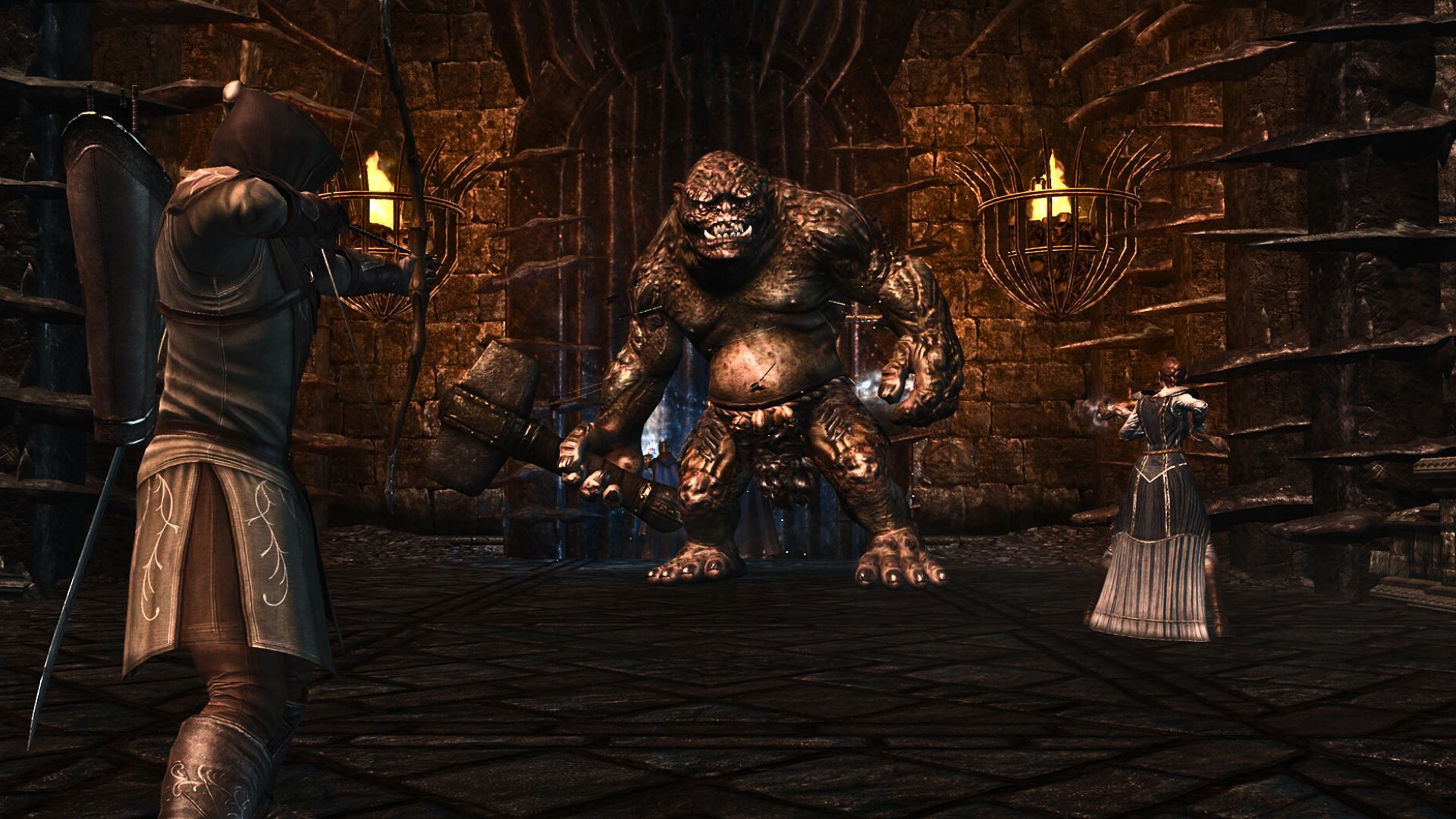
Licensed games get written off before anyone even plays them half the time, and that bias worked against War in the North from day one.
Movie and book tie-ins had a long track record of being rushed and shallow, so plenty of reviewers assumed this would follow the same pattern and gave it less attention than it earned.
That assumption missed what actually made it work, though. Three players could team up, each with a distinct fighting style, and take on Middle-earth's darker corners the films never got into.
That co-op design gave it more depth than most tie-in games ever bother attempting, even set against the weight of Peter Jackson's trilogy.
15. F.3.A.R. (F.E.A.R. 3)
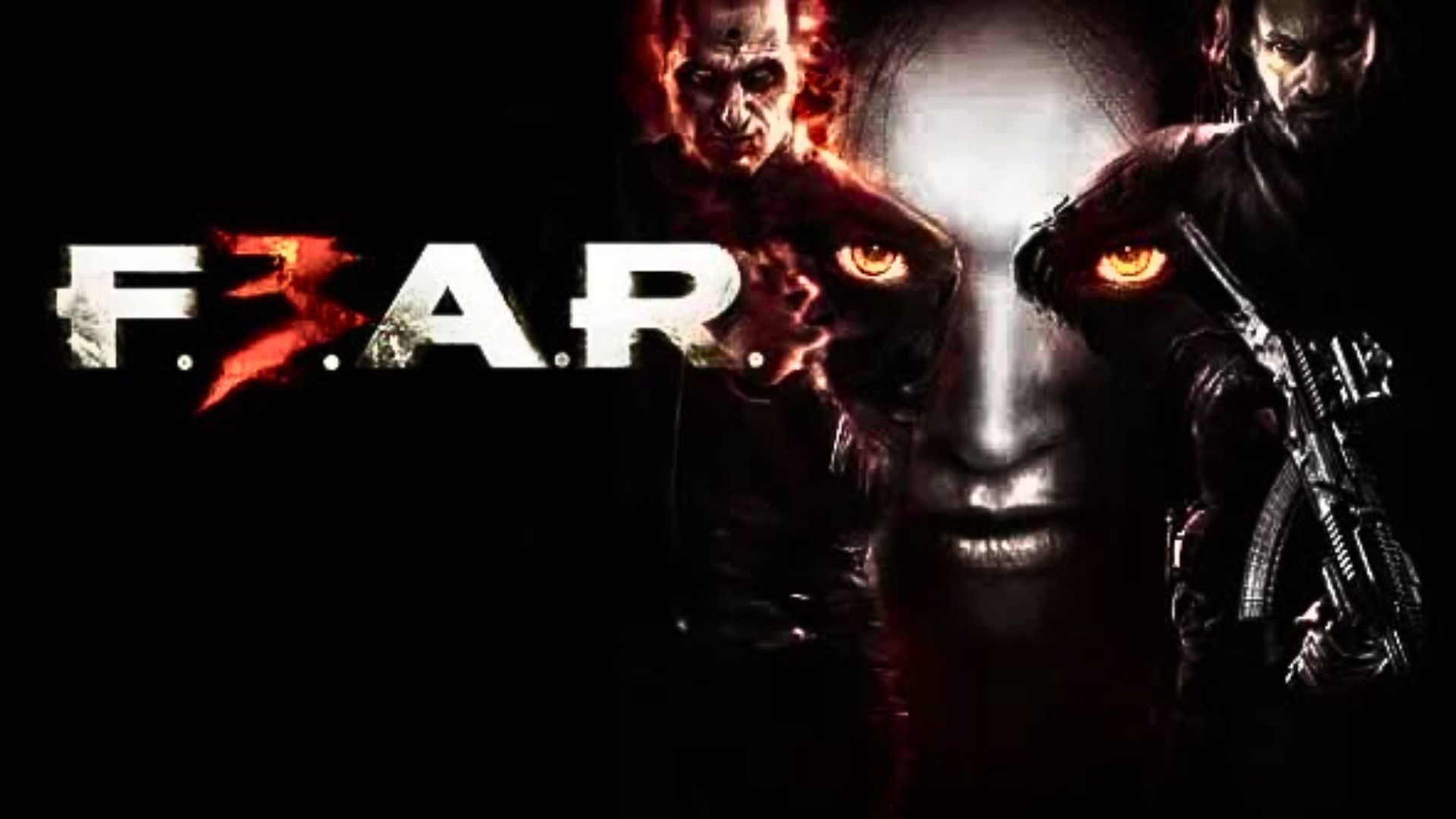
Where the original F.E.A.R. was slow and unsettling, F.3.A.R. leans into loud, fast co-op action, and that shift split the fanbase right down the middle.
Longtime players wanted more of the tense, isolated horror the first game built its reputation on. Instead, they got a game built around two players fighting side by side, which felt like a different genre wearing the same name.
That reaction buried one genuinely interesting idea underneath it, though. Playing as Fettel gave you ghost-like powers to possess enemies, while Point Man stayed grounded in normal gunplay, and the two played almost nothing alike.
Few shooters have tried that kind of lopsided co-op since, which makes it worth a look on its own terms.
16. Alpha Protocol
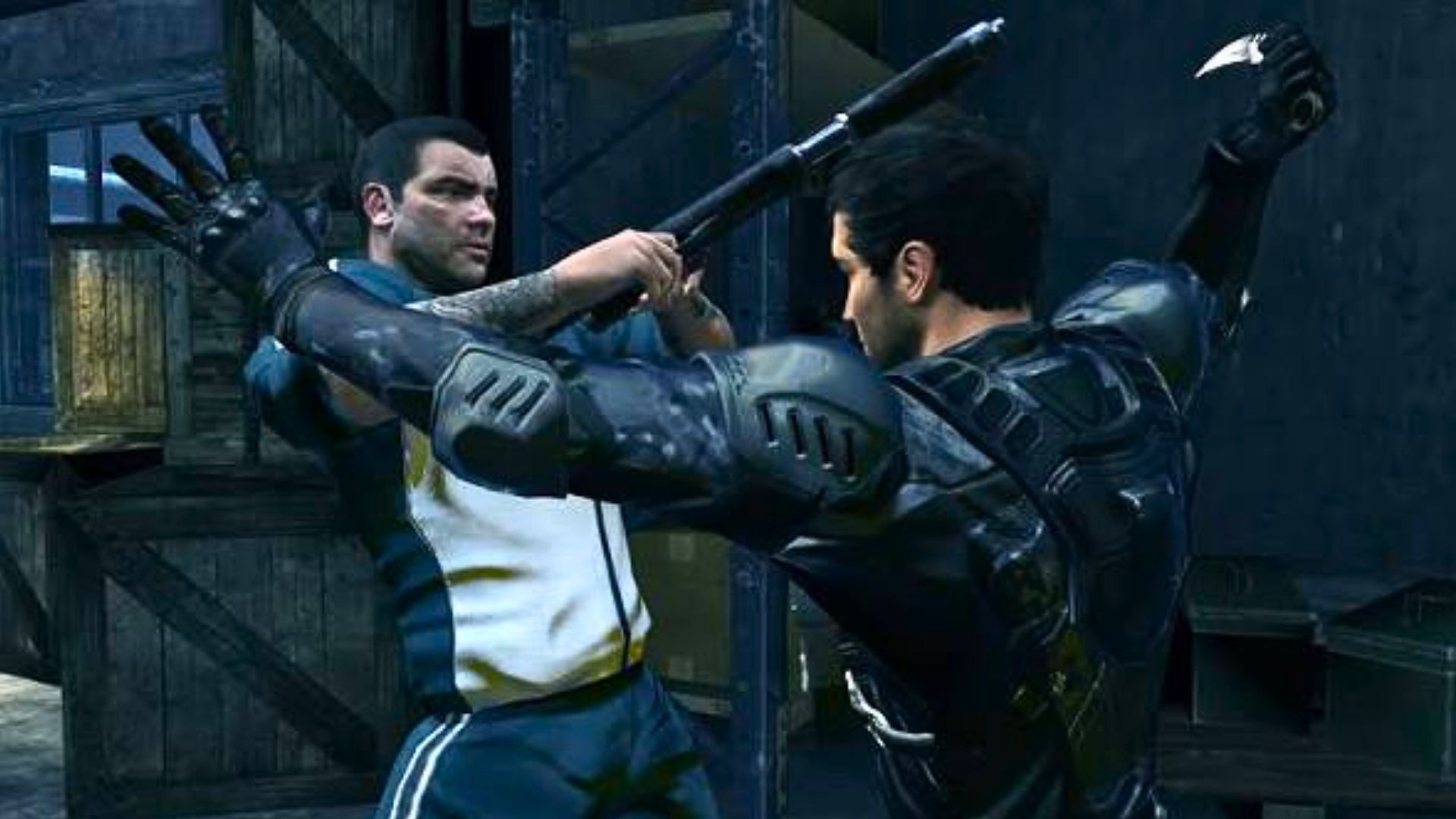
People call Alpha Protocol "rough" constantly, but that word's covering two very different things here. The rough part is real; I won't pretend otherwise. Combat feels clunky, enemy AI does strange things, gunplay never feels as tight as the shooters it was competing against.
The other part isn't rough at all, and it's the dialogue system, doing something almost nothing else attempted back then. Conversations had a timer, forcing quick, in-character choices instead of careful menu browsing.
Those choices actually changed how characters treated you hours later, sometimes locking entire missions or endings depending on what you said.
At launch, most reviews focused on the shaky combat and moved on. Years later, players revisiting it started talking about the dialogue system instead, and honestly, that's where its cult reputation really grew from.
17. Lost Odyssey
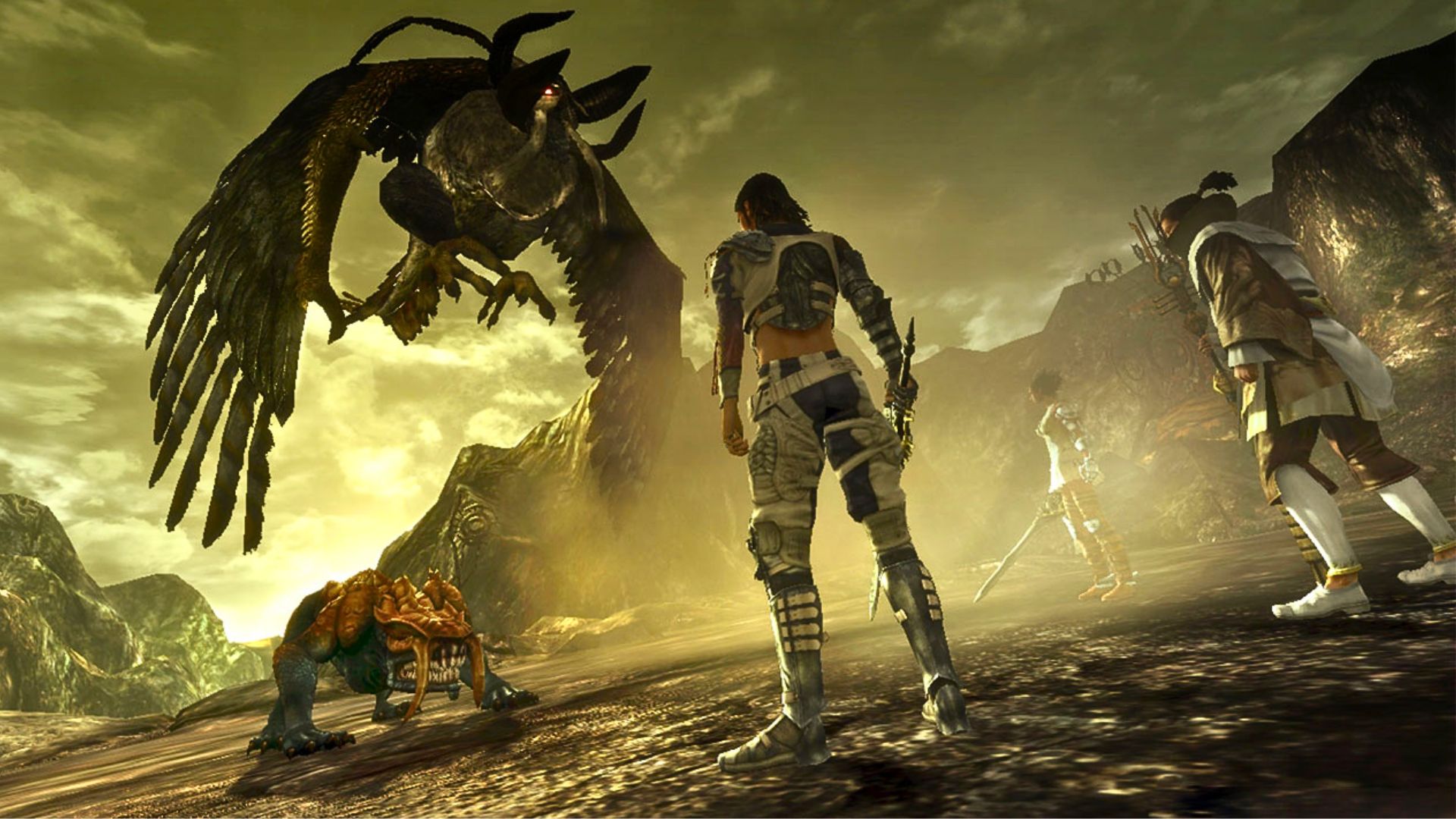
Most 360 owners bought their console for shooters, and that made life hard for a slow, turn-based JRPG like Lost Odyssey.
The platform's audience had grown up around Halo and Gears of War, not story-heavy RPGs with long menus and careful pacing. A game like this just wasn't what most owners were looking for when they turned on their console.
Unfortunate, because its writing stood out from almost everything else at the time. Scattered through the main story were short vignettes called "A Thousand Years of Dreams," quiet memories from a thousand-year-old character that read more like short fiction than typical game text.
Some fans compare it to Final Fantasy in tone, but those vignettes gave it a voice all its own.
18. Tales of Vesperia
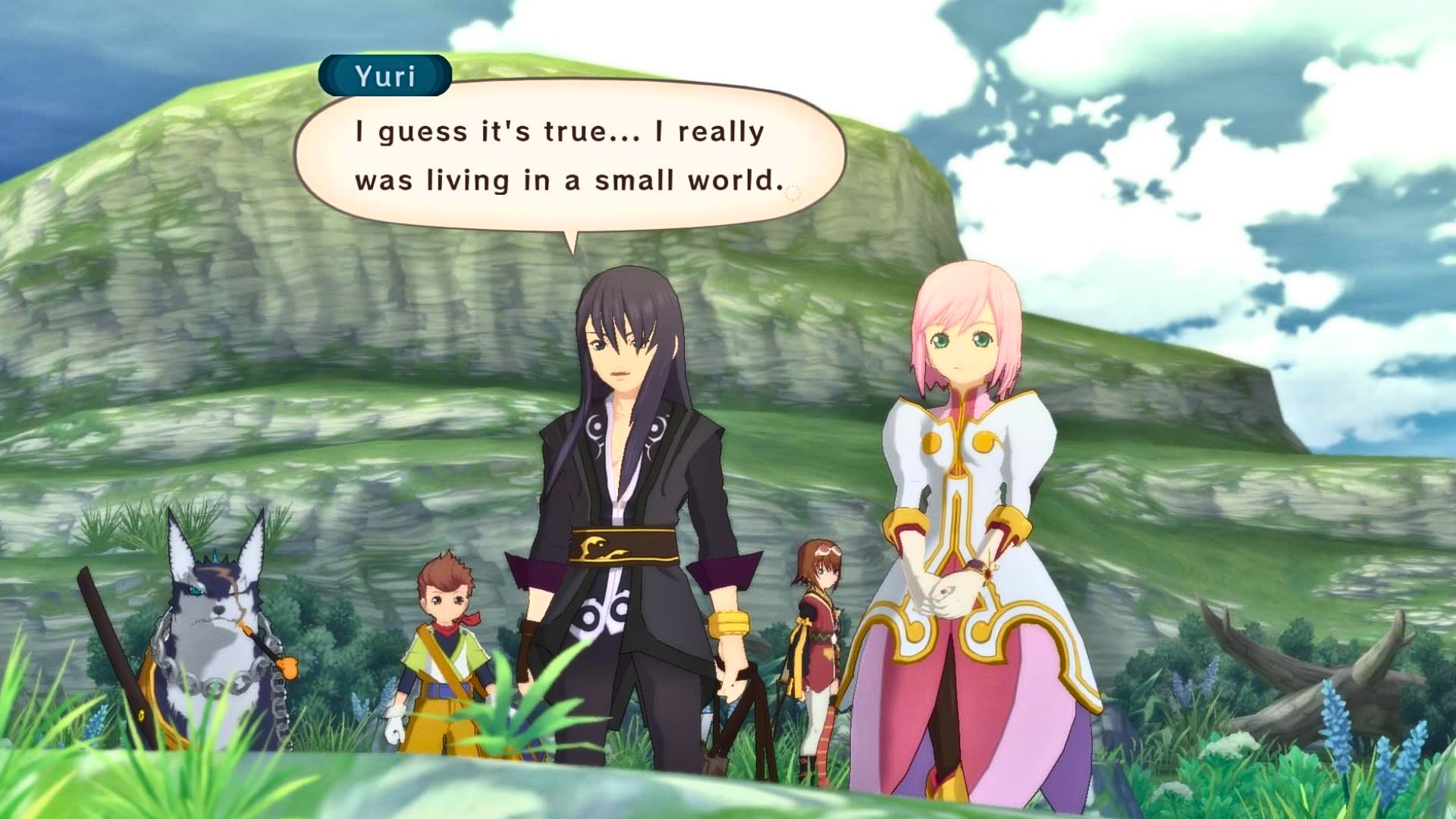
Tales of Vesperia confused a lot of Western players before they even got past the title screen. A more complete version, with extra story content and characters, launched later on PS3, but only in Japan at first.
Xbox 360 owners in the West got stuck with the original release, and plenty didn't even realize they were missing content that existed elsewhere.
That confusion split the conversation about the game across two different versions, which hurt word of mouth for the one most people actually owned.
What both versions share is a battle system that ditched turn-based menus for real-time combat, letting you move and chain attacks freely across the battlefield. That system alone makes it worth playing, version mix-up aside.
19. Blue Dragon
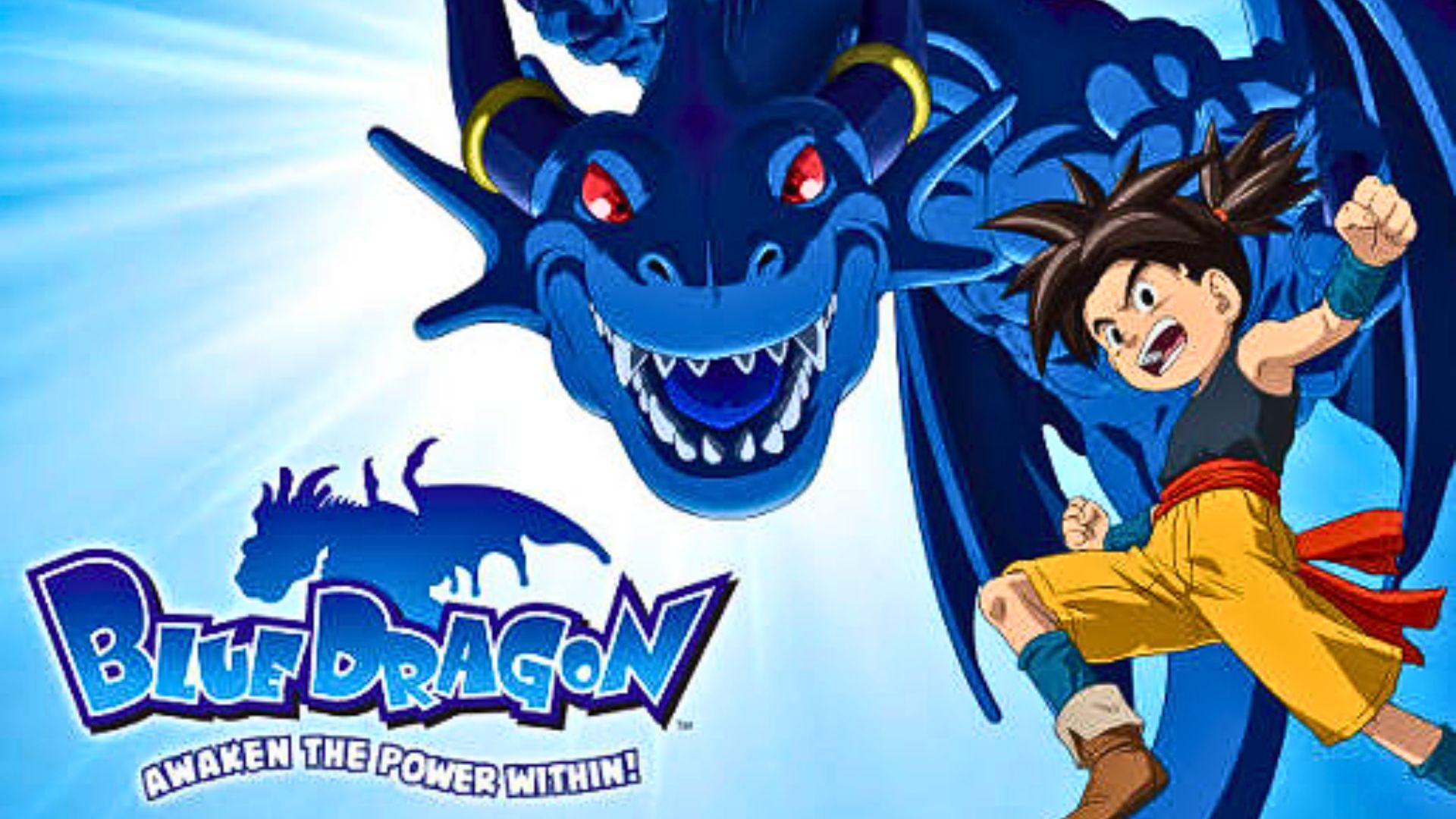
Blue Dragon had a genuinely stacked team behind it, Final Fantasy creator Hironobu Sakaguchi and artist Akira Toriyama. On paper, that should've guaranteed attention.
Didn't quite work out that way. It launched early in the 360's life, right as the console was building its identity around shooters and mature action games.
Toriyama’s bright, cartoonish art style made Blue Dragon look like a kids’ game to a lot of players scanning shelves at the time, closer to what sold big on the console that actually leaned into that look than what the 360 crowd expected, and that reputation, fair or not, kept plenty of people from giving it a chance.
Underneath that look was a genuinely clever system, where characters summoned shadow creatures and swapped between different classes mid-battle. Gave players way more build flexibility than the art style let on.
20. Eternal Sonata
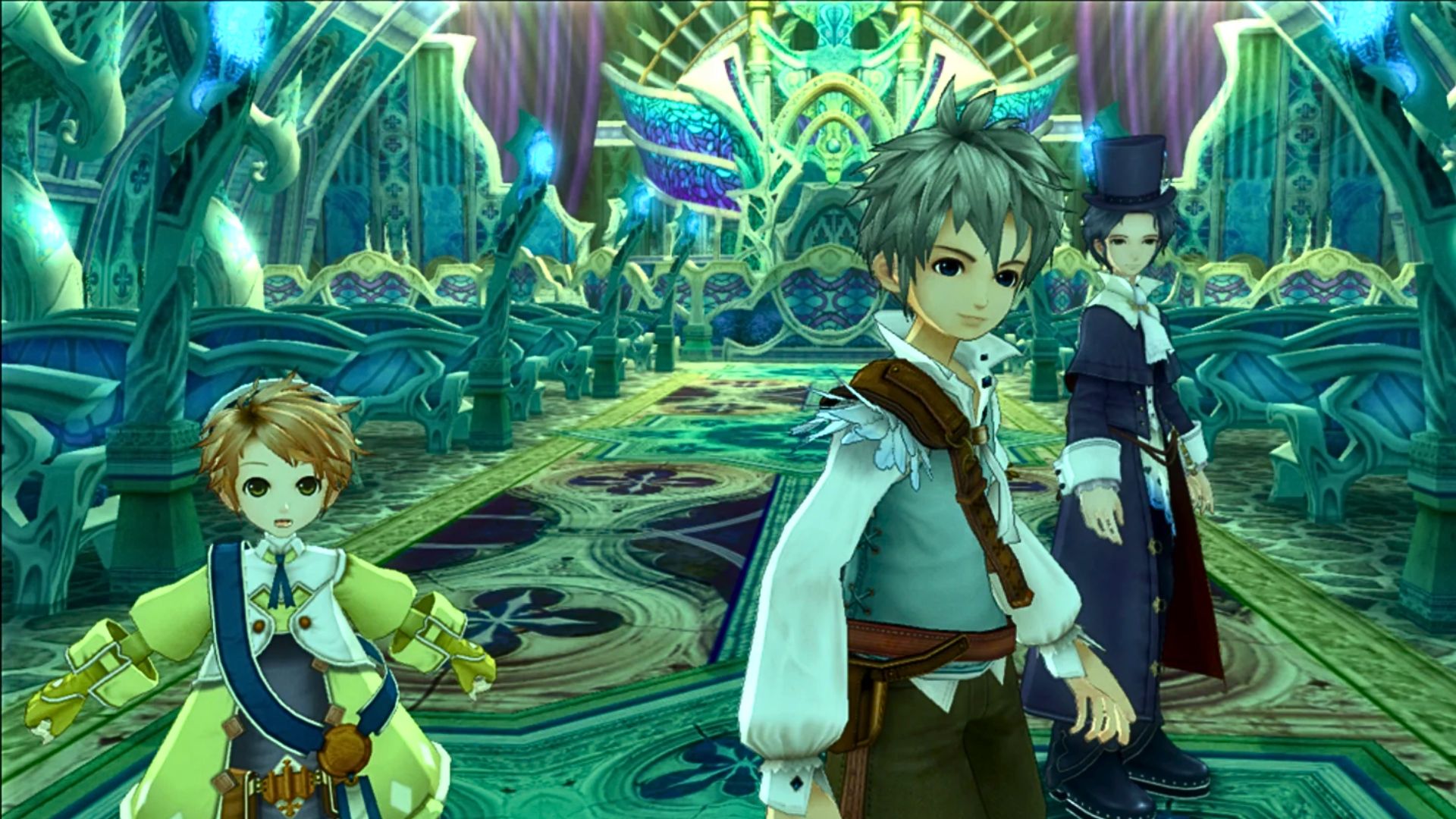
Try explaining Eternal Sonata's premise to someone in one sentence, and you'll see the problem. It's framed as the dying dream of composer Frederic Chopin, playing out in the final minutes of his life.
Striking idea, but it made the game a hard sell. Shoppers scanning the shelf saw a classical composer's name and unusual imagery, not the clear signals that usually say "JRPG." A lot of players walked right past it without realizing what kind of game was underneath.
What they missed was a battle system built around timing, where landing hits during a shrinking window mattered as much as your character's stats. Few RPGs before or since have tied combat timing to music quite like this one does.
21. Enchanted Arms
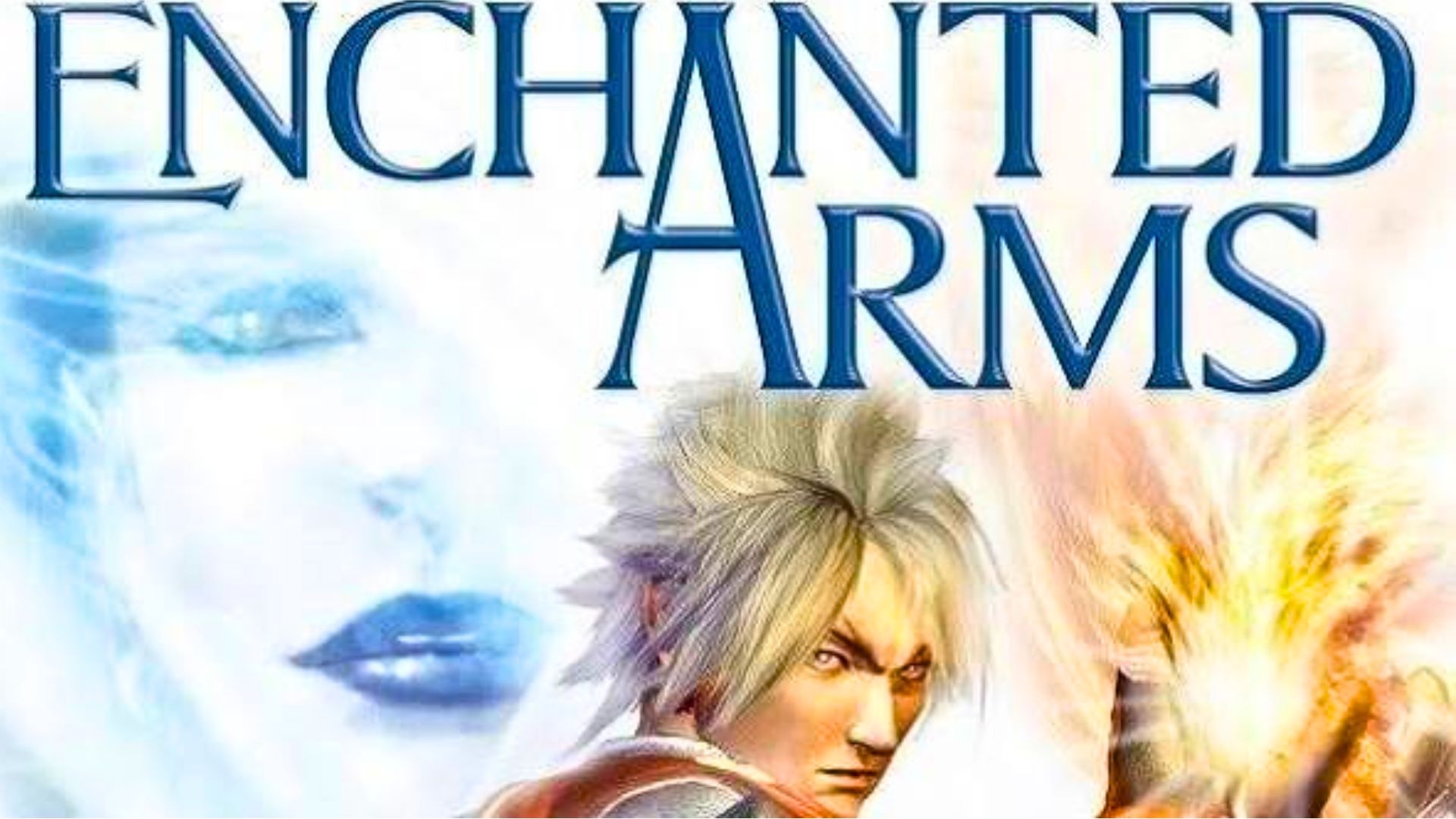
Enchanted Arms launched in the Xbox 360's first year, before studios had really figured out how to build JRPGs for the new hardware.
That timing shows. Menus feel dated, pacing drags in places, and it lacks the polish games later in the console's life would reach.
Look past that, though, and there's a solid idea underneath. Players captured and summoned robotic Golems mid-battle, each with different strengths, giving fights more variety than the visuals let on.
It's rougher than later JRPGs on the console, no doubt, but the Golem system holds up as a genuinely interesting piece of early experimentation.
22. MagnaCarta 2
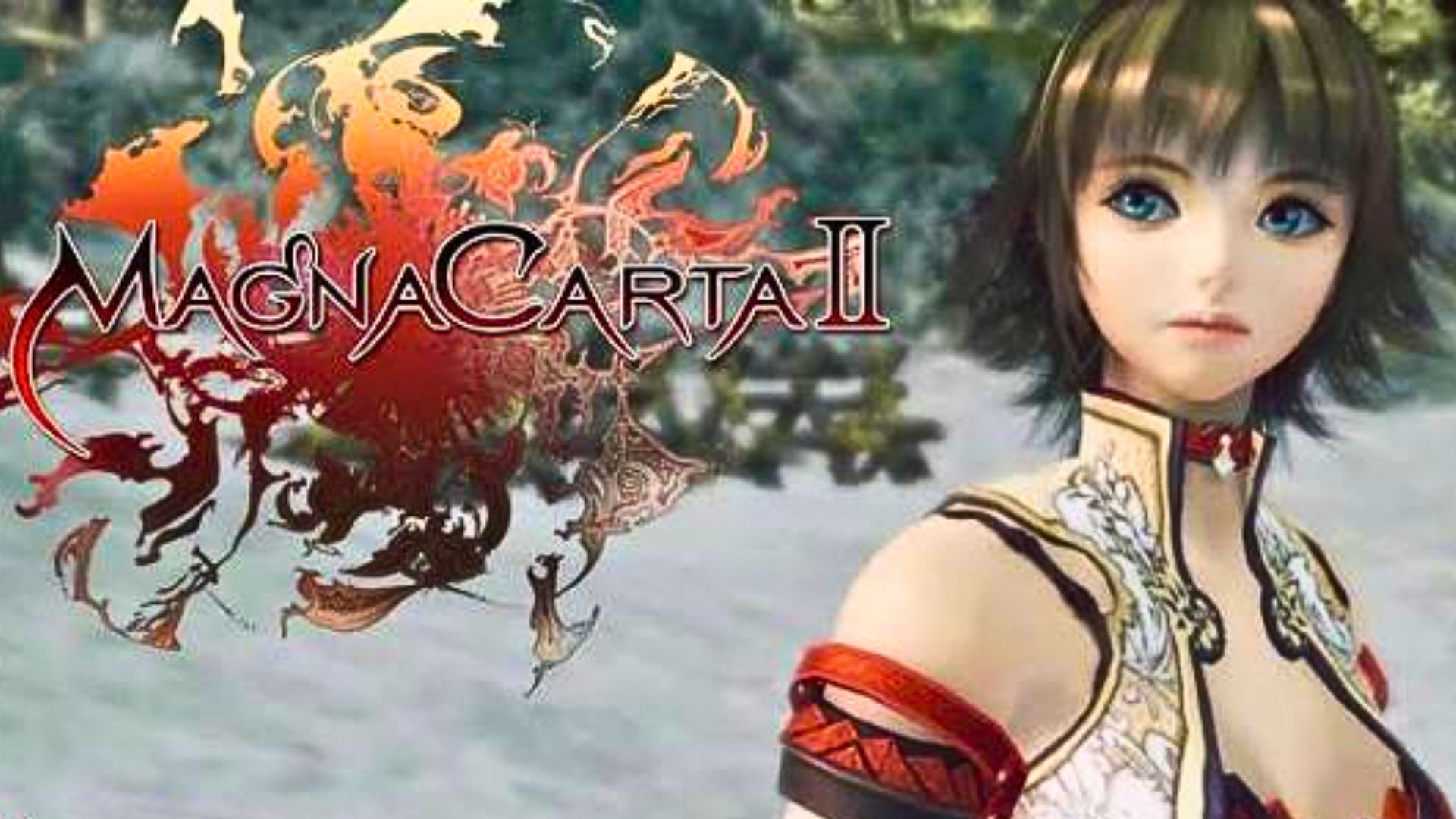
MagnaCarta 2 was built for a narrow slice of players from the start, and that limited how far it ever traveled outside that group.
Character designs, voice direction, and overall presentation leaned heavily into anime conventions, developed by a Korean studio. That style speaks directly to JRPG fans, but it left plenty of general shooter and action players scrolling right past it.
What they missed was a combat system built around switching classes on the fly, letting you shift a character's role mid-fight instead of locking them into one job. That flexibility gave battles more depth than the game's niche reputation might suggest.
23. Culdcept Saga
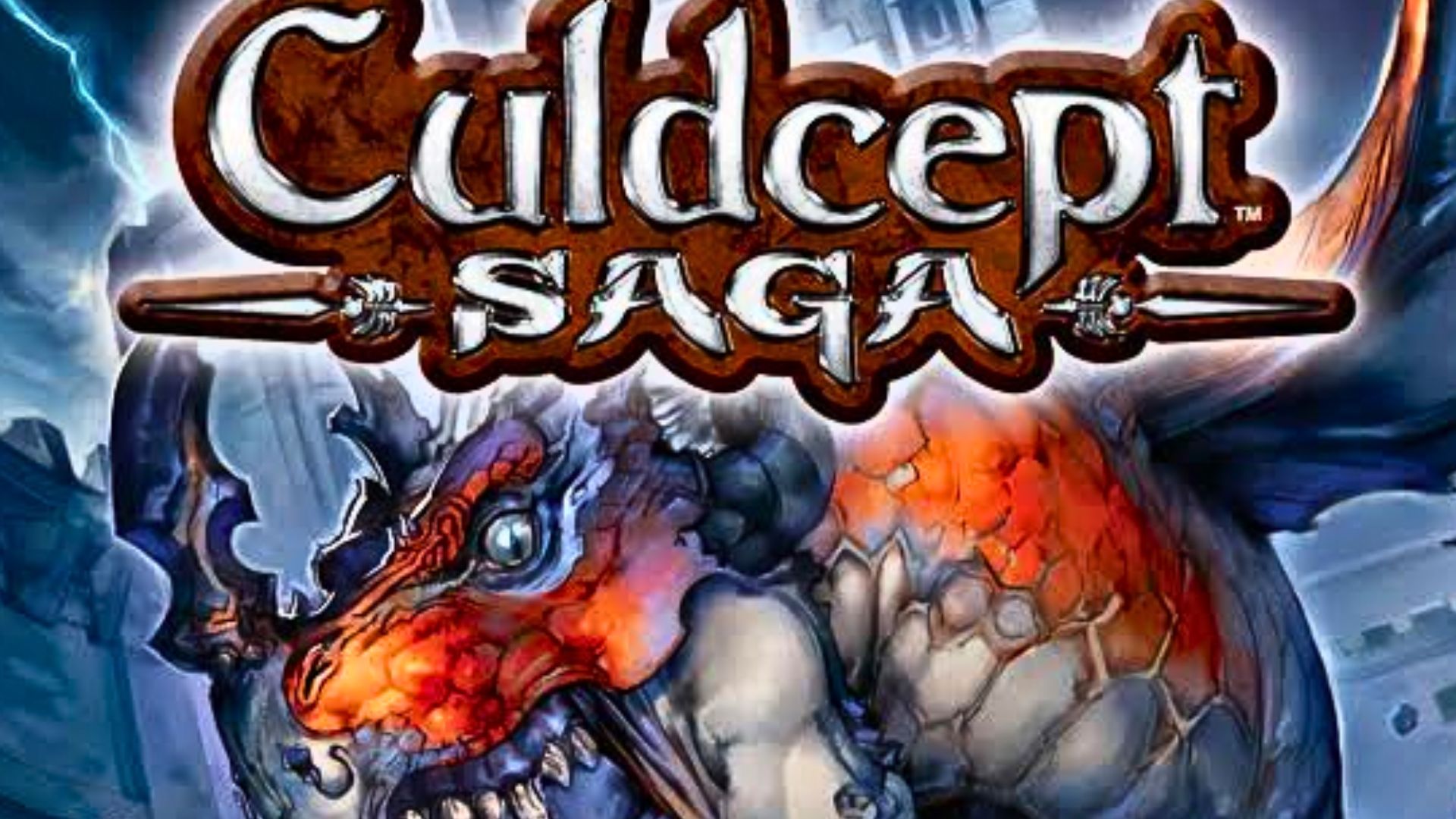
Culdcept Saga never fit neatly into a single genre, and that made it a hard sell right out of the gate. It's part board game, part card battler, with players moving around a board buying territory and battling opponents with cards they've collected.
Store shelves and marketing didn't have a clean box to put it in, so a lot of shoppers just didn't understand what they were looking at.
That confusion buried a genuinely deep strategy game. The territory-capture layer meant every move affected your income and your opponent's options, turning each turn into a real decision.
It rewards patience in a way most games on this list don't, which is exactly why it deserved more attention.
24. Blur
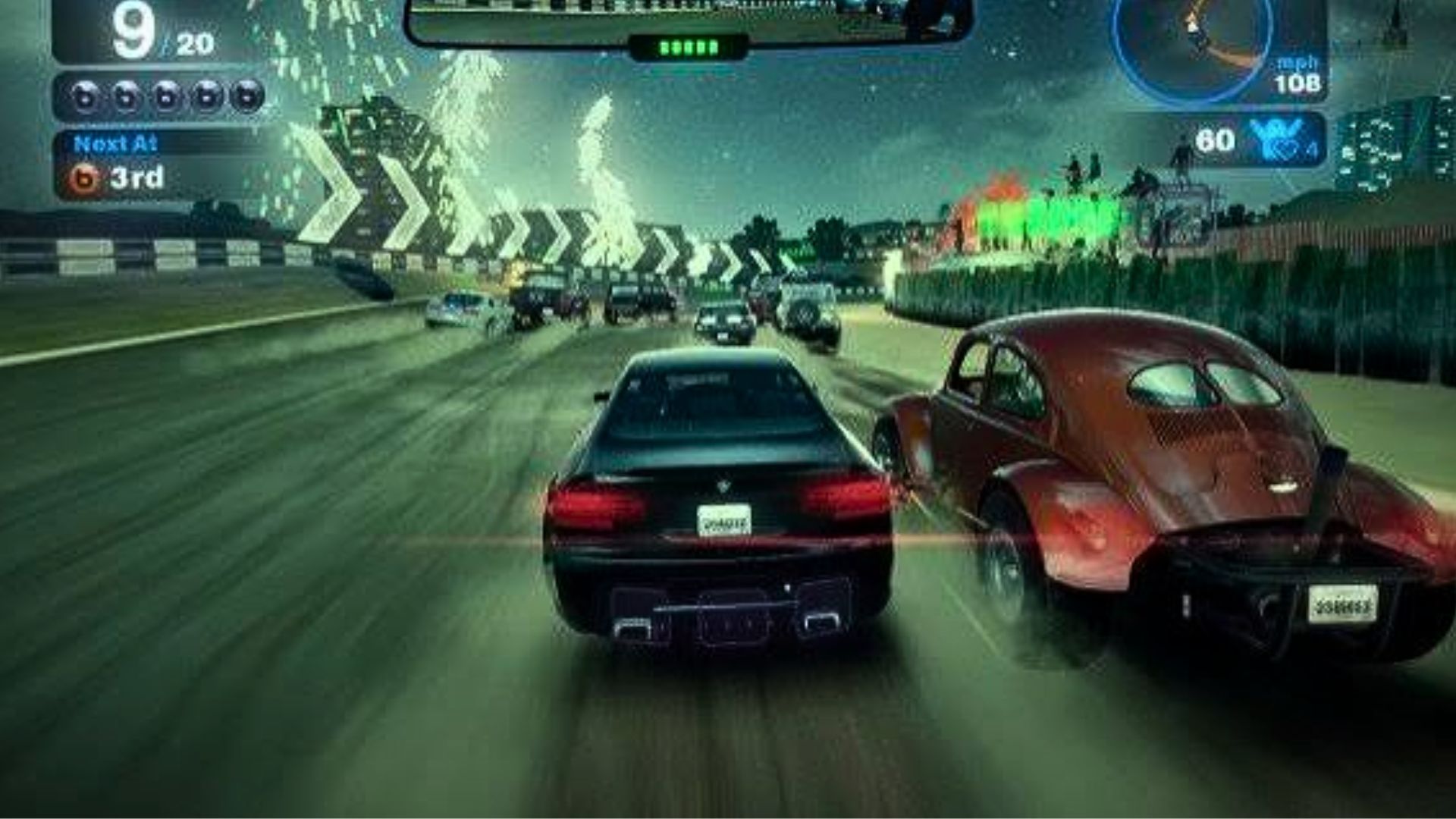
Racing games in 2010 were chasing realism, and Blur went the opposite direction, which made it a harder sell than it should've been.
Forza and Gran Turismo-style titles had trained players to expect tight physics and licensed cars treated with real respect. Blur showed up with arcade power-ups and combat racing instead, and that felt out of step with where the genre's attention was pointed at the time.
That mismatch cost it visibility, even though critics reviewed it well. What it offered was genuinely fun once you gave it a shot.
Power-ups let you fire shockwaves, lay traps, knock rivals off the road, turning every race into something closer to a fight than a lap time. That combat-racing mix still holds up better than most arcade racers from the same era, me personally.
25. Beautiful Katamari
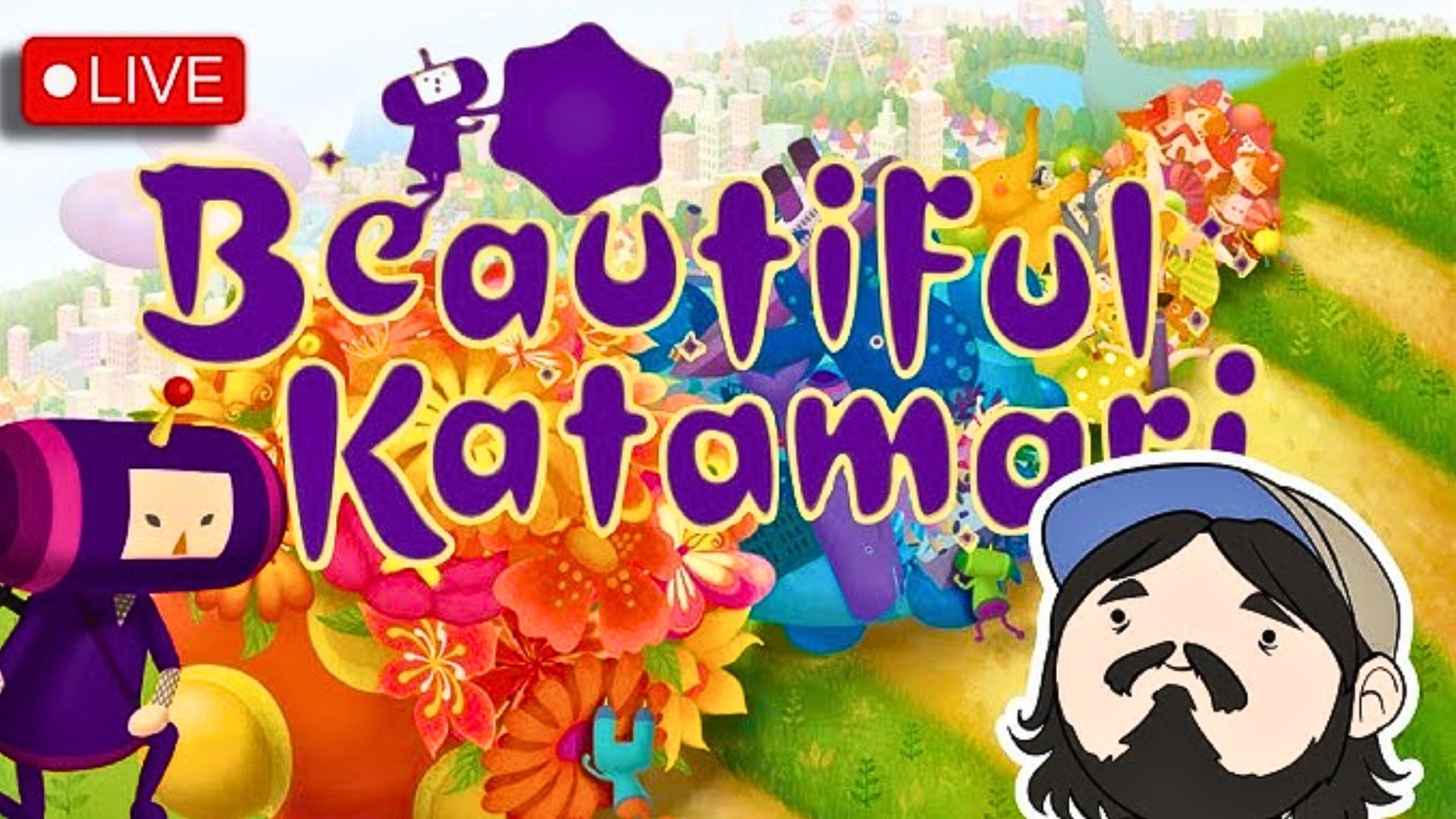
The Katamari series has always been a cult favorite, respected but never quite mainstream, and this entry didn't change that. Reviewers liked it. The core fanbase loved it.
But it's odd, distinctly Japanese sense of humor never translated into the kind of sales numbers that would put it on more shelves.
Part of that comes down to how strange it looks on the surface. Rolling a sticky ball around, picking up random objects, from paperclips to entire buildings, isn't an easy pitch to a shooter-heavy Western audience. Once you actually play it, though, that loop is oddly satisfying.
Watching your ball grow from tiny to massive, swallowing whole city blocks, still feels like nothing else on the console.
26. N3: Ninety-Nine Nights
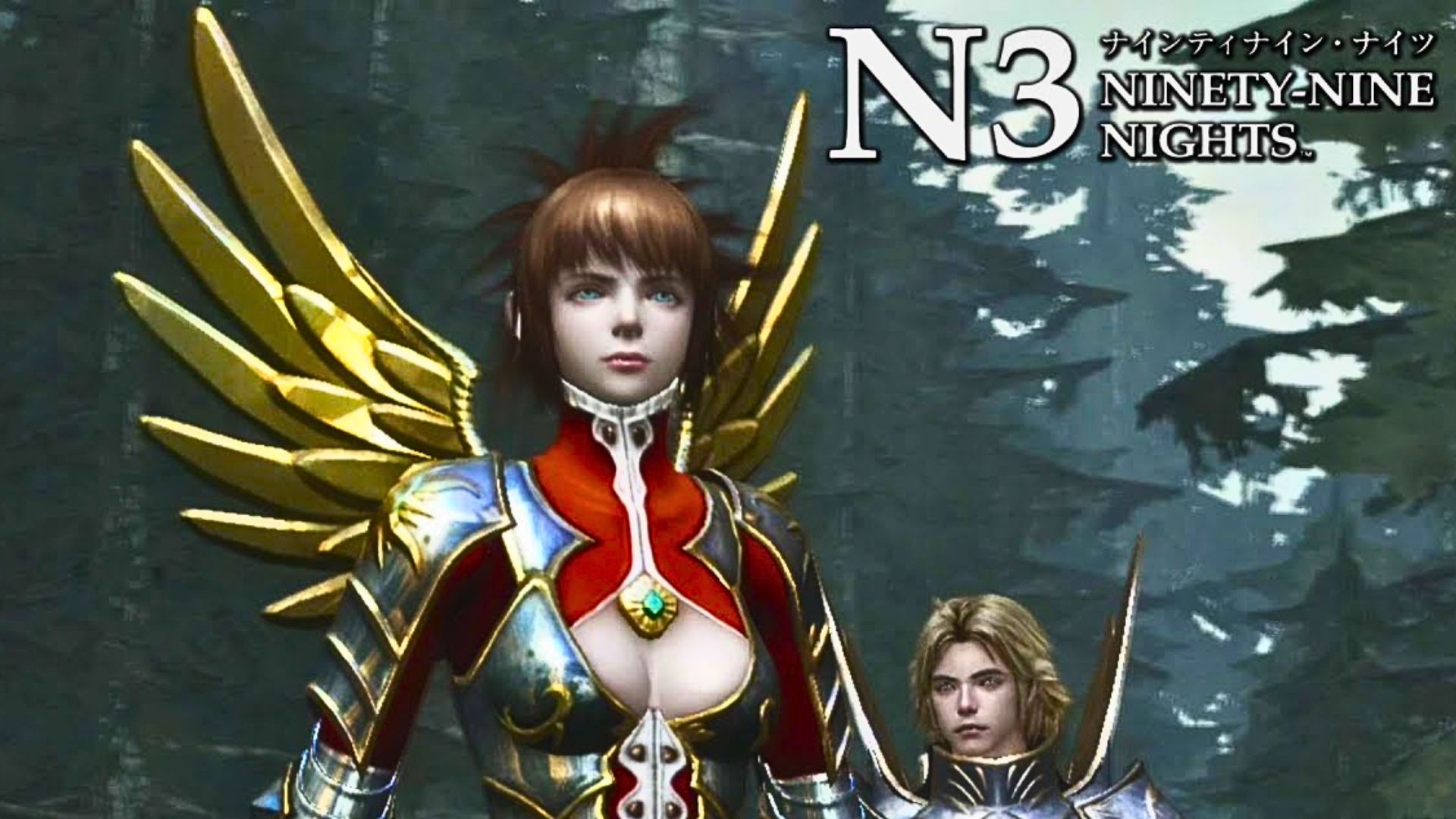
Critics and players never really agreed on N3, and that gap is exactly why it ended up overlooked. Reviews at launch were mixed at best, with plenty of complaints about repetitive combat and a story that felt thin. On paper, that's a game that should've faded away quietly.
Instead, a dedicated fanbase kept defending it, and it's easy to see why once you play it.
Battles throw hundreds of enemies on screen at once, all reacting individually, creating a kind of chaos few games on the console attempted.
The story also splits across several playable characters, each with their own version of events, giving the campaign more replay value than reviews at the time gave it credit for.
27. Bullet Witch
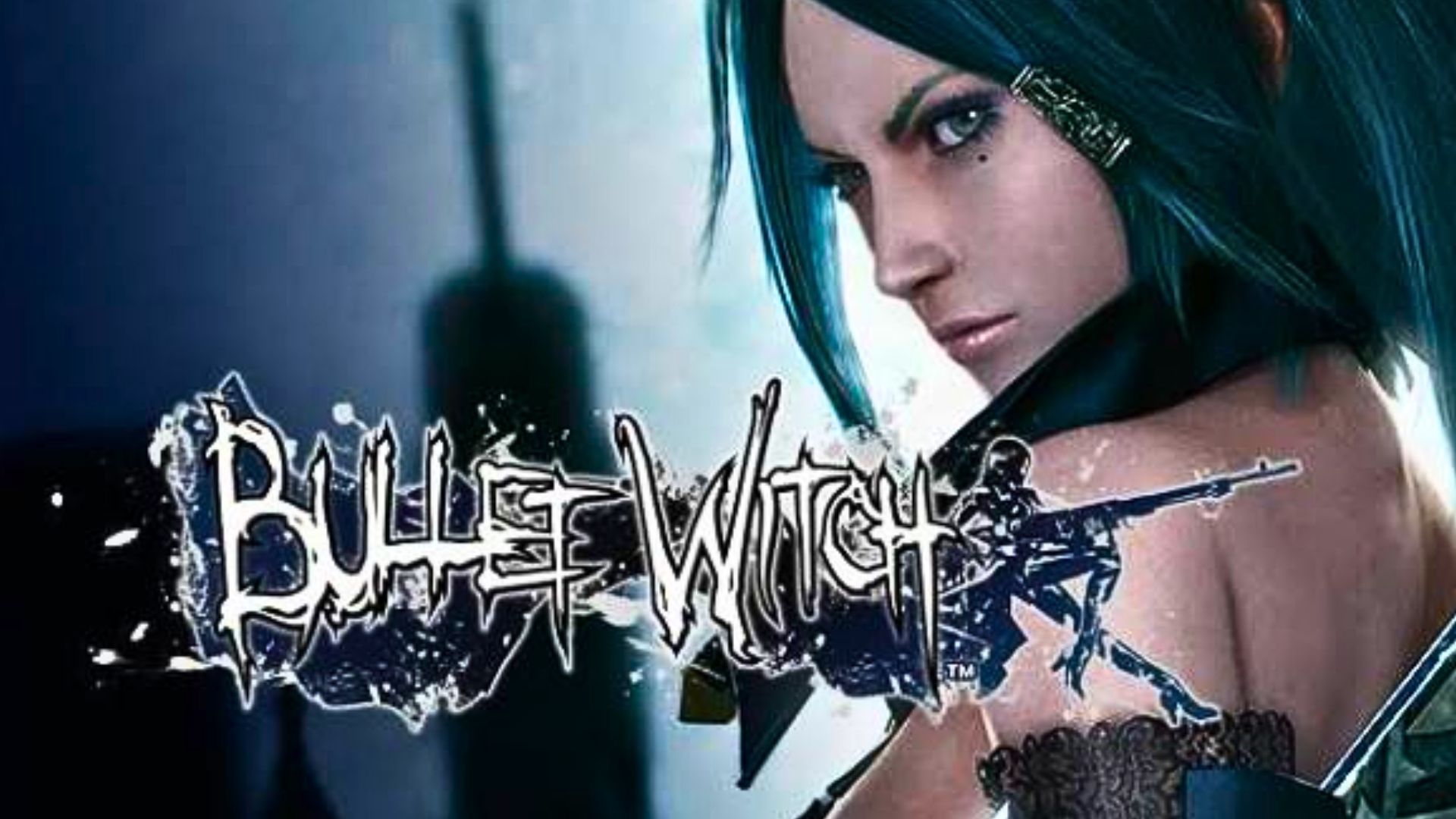
Bullet Witch got tagged as janky early on, and that label stuck harder than anything else reviewers said about it.
Frame rate dips, stiff animations, and rough edges: that's what dominated most write-ups at launch, and it left little room to talk about what the game actually looked like once you got past those flaws.
The art direction deserved more credit than it got, honestly. A crumbling, apocalyptic world filled with dead cities and gray skies gave it a mood most shooters on the console never bothered building.
Combat mixed gunplay with spellcasting, letting you summon storms or raise the dead mid-fight. That blend, from developer Cavia, still feels distinct enough to be worth revisiting on its own merits.
28. Alan Wake
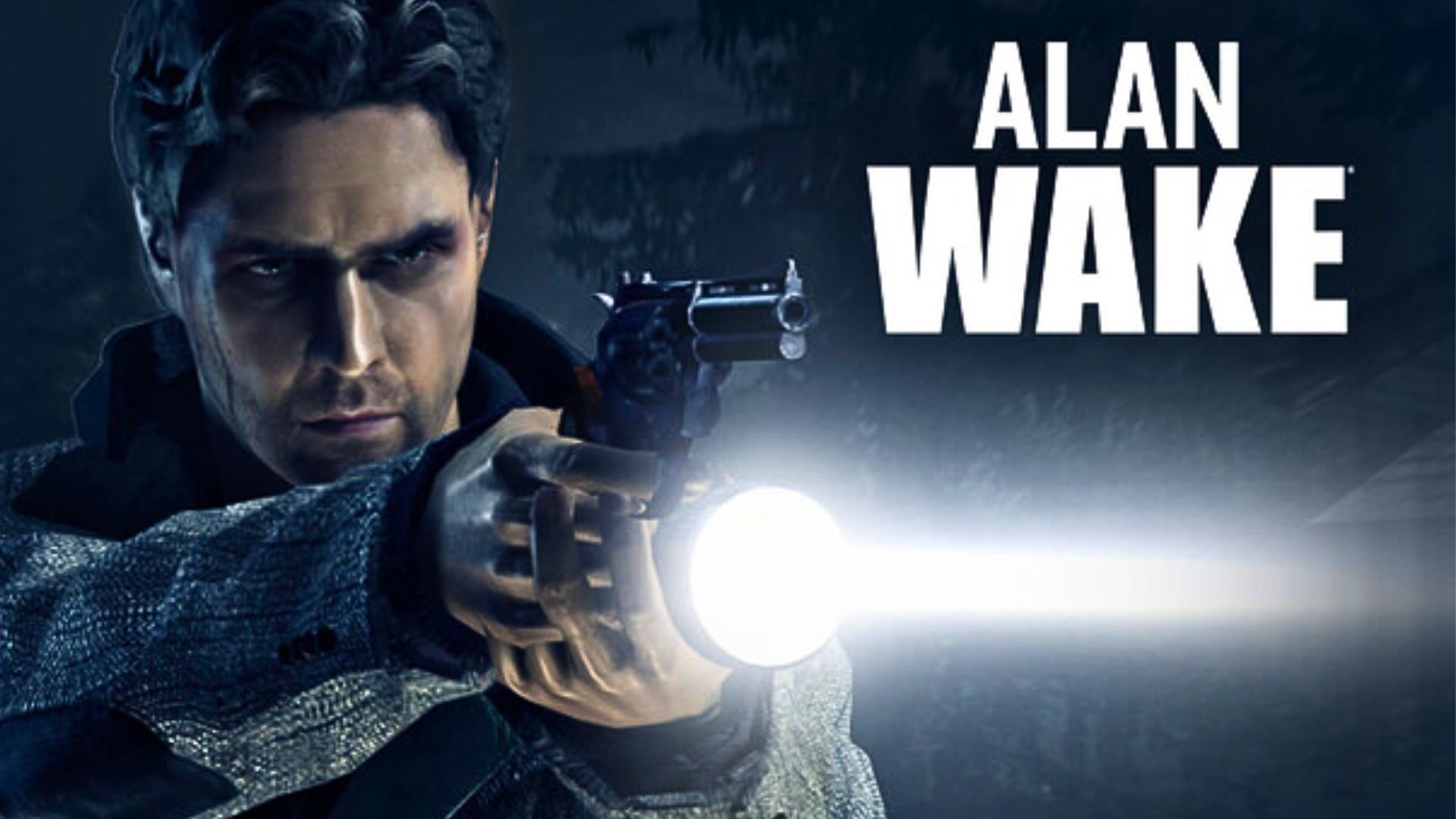
If there's one game almost every list like this agrees on, it's Alan Wake. So why does it still count as underrated? Because critical praise never matched its sales.
The game spent years in development, its release date pushed back more than once before it finally landed in the crowded fall of 2010.
By the time it arrived, plenty of the buzz that had built up over years of delays had already faded. It also had to fight for attention in one of the busiest release windows of that year.
What made it stand out was the light mechanic. Enemies were shielded by darkness, and you had to burn that shield away with a flashlight before you could actually fight them.
That idea shaped how a lot of horror games handle light and shadow afterward, even if this original never got the audience it earned. No complaints here on this one, it's one I'd point anybody toward.
29. Spider-Man: Shattered Dimensions
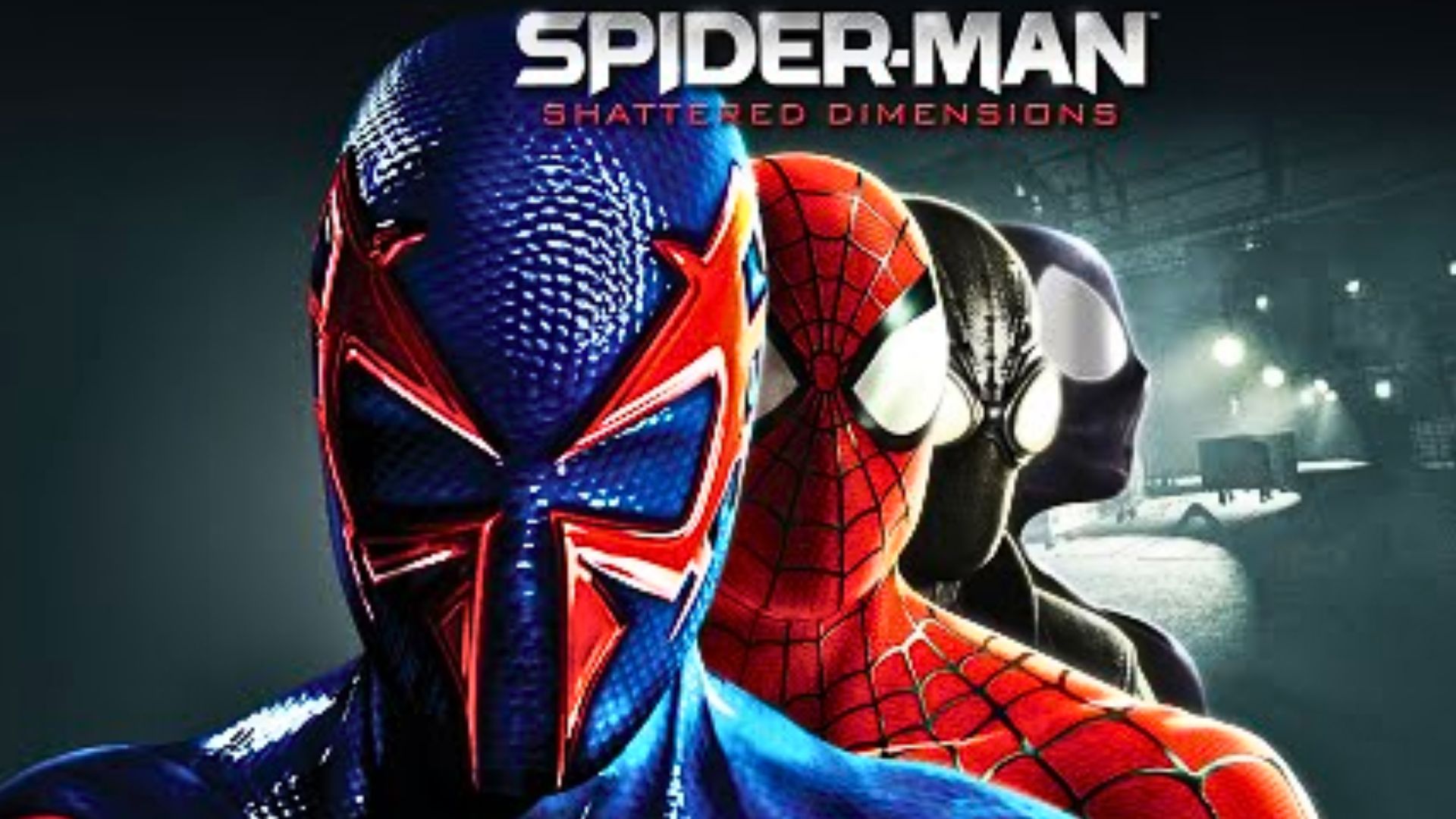
Superhero games earned a bad reputation long before this one showed up, and that history worked against it from the start.
Years of rushed, mediocre licensed titles had trained both reviewers and players to expect very little from a Spider-Man game, so even a well-made one had to fight uphill just to get taken seriously.
That bias meant a lot of genuinely solid design choices got less attention than they deserved. You played as four different versions of Spider-Man, each from a separate universe, with combat and movement that changed noticeably between them.
That variety gave it more replay value than most licensed games ever attempted, even if its genre kept people from noticing at the time.
How to Actually Play These Xbox 360 Games Today
Not every game on this list is easy to get to the same way, so it's worth knowing what you're dealing with before you go looking.
Here's how access breaks down:
- Backward-compatible titles: these run on Xbox Series X|S using the original disc or a digital copy you already own.
- 360-only titles: these need an actual Xbox 360, or original hardware someone's still got working.
- Digital storefront listings: availability shifts over time, so a game sold today isn't guaranteed to stay listed.
- Game Pass catalogs:these change too, and a title missing from backward compatibility now could get added later.
Check a game's current status before you commit to tracking down a copy. Takes a minute, and it saves you from chasing something you didn't need to buy.
Frequently Asked Questions
What is the most underrated Xbox 360 game?
Alan Wake, Beautiful Katamari, and The Saboteur come up most often, me personally. Each one earned strong reviews but got buried by bad timing or confusing marketing, not weak quality.
Are Xbox 360 games rare or valuable today?
Most titles are still cheap and easy to find secondhand. A few, mostly low-print-run or Kinect-exclusive games, have gotten genuinely hard to find and sell for more among collectors.
Can you still play Xbox 360 games in 2026?
Yes. A lot of them run through backward compatibility on Xbox Series X|S, and some are still sold digitally. A handful of smaller titles only work on original hardware with a physical disc.
What's the difference between an underrated game and a bad game?
An underrated game got good reviews but sold poorly or got overshadowed by other releases. A bad game just performed poorly because it wasn't very good. Every game on this list fits the first category, we'll see if that opinion ever changes.